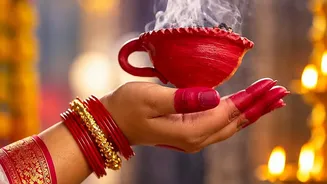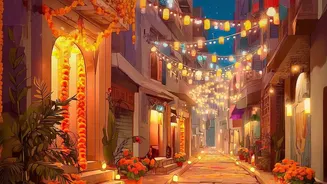




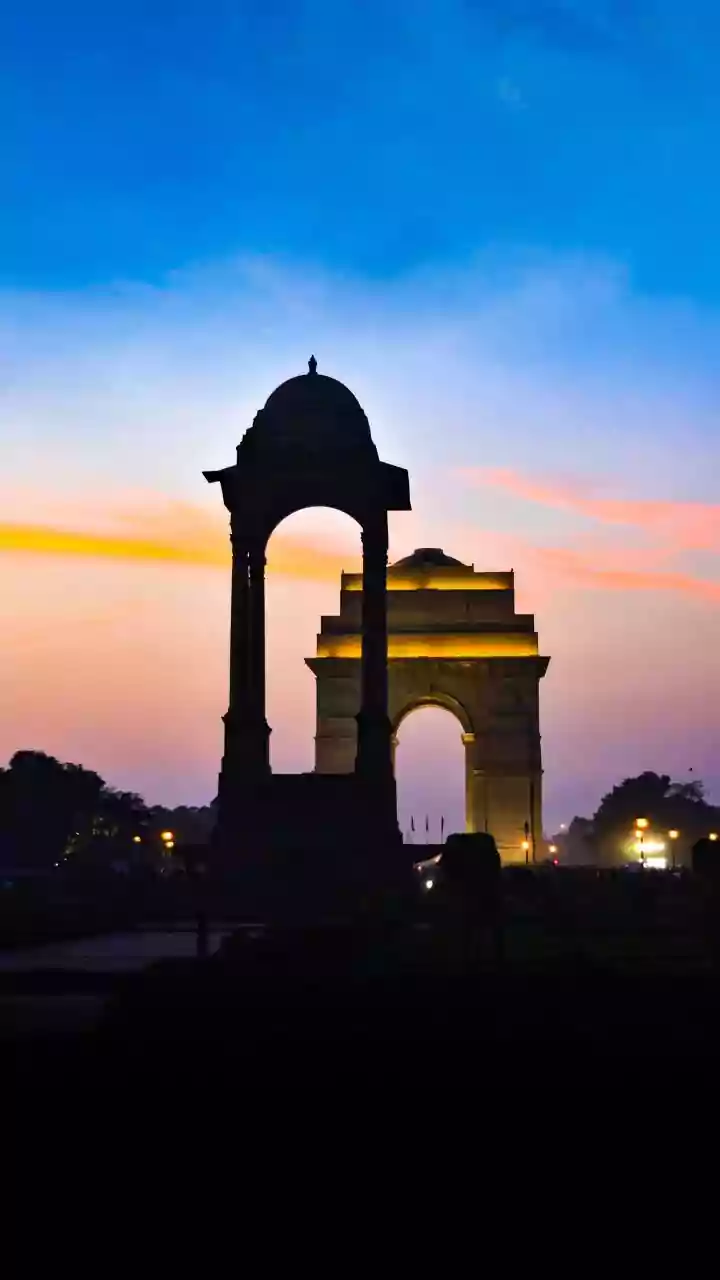


Diwali, the festival of lights, illuminates India in a shared spectacle of joy and hope. But beyond the unifying glow of diyas lies a rich tapestry of regional traditions, each telling a different story of good conquering evil.
North India: The Return of a King
In North India, the heart
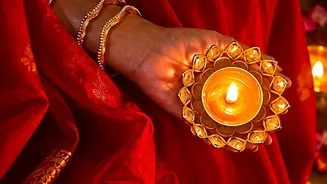
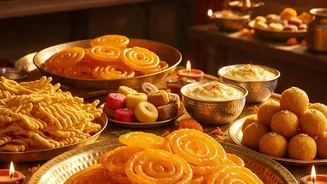
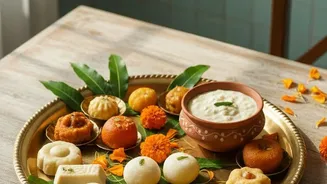
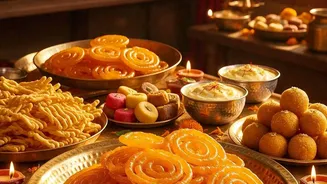
of Diwali celebrations beats to the rhythm of the Ramayana. The five-day festival is largely seen as a commemoration of Lord Rama's return to his kingdom of Ayodhya after 14 years in exile and his victory over the demon king Ravana. To welcome their triumphant king on a dark new moon night, the people of Ayodhya lit up the entire kingdom with earthen lamps. This tradition continues today across Uttar Pradesh, Punjab, Haryana, and neighboring states, where homes glitter with rows of diyas and vibrant rangolis adorn doorways. The main event is the Lakshmi Puja on the third day, where families worship Goddess Lakshmi for wealth and prosperity, along with Lord Ganesha, the remover of obstacles. The festivities are also marked by lively Ramlila performances in the run-up to Diwali, bursting firecrackers, and the exchange of lavish sweets like kaju katli and soan papdi.
South India: Victory Over the Demon Narakasura
Travel south, and the narrative of Diwali shifts. Here, the central event is not Rama's return but the victory of Lord Krishna over the demon Narakasura. This triumph is celebrated on Naraka Chaturdashi, which often falls a day before the main Lakshmi Puja in the North. For many in Tamil Nadu, Karnataka, and Andhra Pradesh, this is the main day of Deepavali. Celebrations begin before sunrise with a traditional oil bath, a ritual considered as sacred as taking a dip in the holy Ganga, meant to cleanse the body and soul. Families don new clothes, burst crackers at dawn, and create intricate geometric patterns called 'kolam' with rice flour at their entrances. While the North feasts on milk-based sweets, Southern kitchens prepare delicacies like the crispy, savoury 'murukku', sweet 'adhirasam', and a special herbal paste known as 'Deepavali marundhu' to aid digestion after the festive indulgence.
East India: The Worship of Fierce Goddess Kali
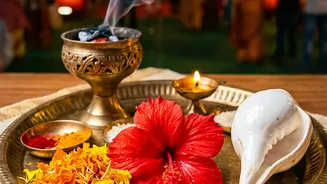
In Eastern India, particularly West Bengal, Odisha, and Assam, the night of Diwali is dedicated to a different divine force: the fierce Goddess Kali. Known as Kali Puja or Shyama Puja, this celebration coincides with Lakshmi Puja but honours the powerful goddess who destroys evil. Elaborate clay idols of Kali are housed in temporary shrines called 'pandals', where devotees offer red hibiscus flowers and perform tantric rites and mantras at midnight. The day before Kali Puja in Bengal is called Bhoot Chaturdashi. On this 'night of ghosts', families light 14 lamps to guide the spirits of 14 generations of ancestors home and to ward off evil spirits. The festive 'bhog' or food offering includes khichuri, a mixed vegetable dish called labra, and an array of sweets like sandesh and rasgulla. In Odisha, a unique ritual called Kauriya Kathi involves burning jute sticks to call upon ancestors and seek their blessings.
A Unifying Glow
Despite the varied legends and rituals, the essence of Diwali remains the same across the subcontinent: a celebration of light over darkness, knowledge over ignorance, and good over evil. The lighting of diyas, the joy of family gatherings, the sharing of sweets, and the hope for a prosperous future are the common threads that bind these diverse celebrations together. From the five-day extravaganza in the north to the pre-dawn festivities in the south and the powerful feminine worship in the east, each tradition adds a unique hue to this spectacular festival of lights. This diversity is what makes Diwali a true reflection of India’s cultural richness, where different paths lead to the same celebration of life, hope, and righteousness.