



As winter arrives, so does the familiar battle with dry, tight, and flaky skin. The secret to winning this year-round struggle lies in your skincare shelf, specifically in understanding how powerhouse ingredients work to keep your skin hydrated.
Why Winter Weather Wreaks Havoc on Skin
The transition
to winter brings more than just colder temperatures; it brings a significant drop in humidity. Cold air simply cannot hold as much moisture as warm air. When you move indoors, a blast of dry heat from central heating systems further depletes moisture from your surroundings, and ultimately, from your skin. This combination creates an environment that actively pulls water out of your skin's outer layer, a process known as transepidermal water loss (TEWL). This leads to a compromised skin barrier, resulting in the classic symptoms of winter skin: tightness, flakiness, irritation, and a dull appearance.
Glycerin: The Unsung Hero of Hydration
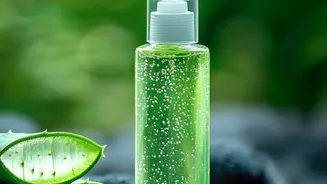
Enter glycerin, one of the most effective and widely used ingredients in skincare for decades. Glycerin is a humectant, which means it functions like a moisture magnet. It works by attracting water from two key sources: the environment and the deeper layers of your own skin, pulling that moisture up into the outermost layer (the stratum corneum). This action not only delivers an immediate hydrating boost but also helps to fortify the skin's natural moisture barrier, making it more resilient against the harsh winter elements. In fact, studies have shown it to be one of the most effective humectants available, keeping skin plump and reducing the appearance of fine lines.
The Three Pillars of Moisturization
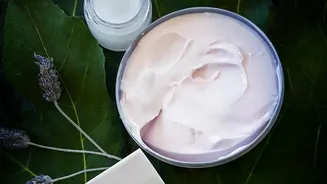
While glycerin and other humectants are crucial, a truly effective winter skincare strategy relies on a team of ingredients. Moisturizers are typically formulated with a combination of three types of agents: humectants, emollients, and occlusives. Humectants: As we've seen, these ingredients (like glycerin, hyaluronic acid, and urea) attract and bind water to the skin. They are ideal for all skin types because they provide hydration. Emollients: Ingredients like squalane and ceramides act as skin softeners. They work by filling in the gaps between skin cells, smoothing rough texture and helping to repair the skin barrier. * Occlusives: These ingredients, such as petrolatum and shea butter, form a physical barrier on the skin's surface. This 'rain jacket' for your skin seals in moisture and prevents it from evaporating.
Building Your Winter Skincare Routine
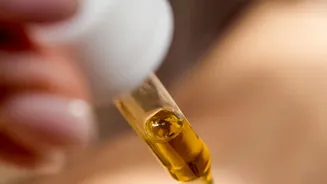
Understanding these ingredient categories empowers you to build a routine that keeps skin comfortable all season. Start by switching to a gentle, creamy cleanser that contains glycerin to avoid stripping your skin's natural oils. The best time to apply hydrating products is right after cleansing, while your skin is still slightly damp. This gives the humectants in your serums and moisturizers extra water to grab onto. Apply a serum containing glycerin or hyaluronic acid, then follow up with a moisturizer that combines emollients and occlusives to lock everything in. For very dry skin, layering a thicker occlusive balm on top at night can provide an intensive treatment.
Looking Beyond Glycerin
Glycerin is a fantastic and affordable starting point, but the world of hydrators is vast. Hyaluronic acid is another famous humectant, celebrated for its ability to hold up to 1,000 times its weight in water. Ceramides are lipids that are naturally part of your skin barrier, so using them in products helps replenish what winter weather strips away. Urea is another excellent ingredient that both hydrates and gently exfoliates dry, flaky patches. For those with oily skin who fear heavy creams, lightweight humectants like glycerin and hyaluronic acid are perfect for providing necessary hydration without clogging pores.