






The Fading Glow of the Halo
For years, certain words have worked magic for food marketers. Terms like 'natural,' 'wholesome,' 'guilt-free,' and 'superfood' create what is known as a 'halo effect'. This psychological phenomenon makes consumers perceive a product as healthy overall,
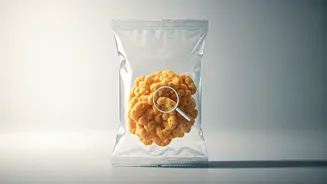
even if the claim is vague or only applies to one aspect. A packet of chips might be fried in 'natural' oil, but still be high in sodium and fat. A biscuit can be 'wholesome' by containing oats, but also be loaded with sugar. For a long time, this was enough. These words provided a convenient shortcut for shoppers, offering a sense of making a virtuous choice without needing to analyse the fine print. But the magic is wearing off. Indian consumers are growing wary of these empty marketing calories, and the halo is beginning to fade.
The Rise of the Sceptical Snacker
So, what changed? A perfect storm of factors has created a new generation of highly informed and sceptical shoppers in India. Increased health consciousness, accelerated by the pandemic, is a major driver. This is coupled with unprecedented access to information. A quick search on a smartphone can debunk a misleading claim in seconds. As a result, trust is in short supply. Studies show that a majority of Indian consumers now actively read nutrition labels. A consumer insights study found that 72% seek functional benefits like energy and protein from their snacks, while 55% want natural, preservative-free ingredients. This has been amplified by social media movements like #LabelPadhegaIndia, which encourage shoppers to look past front-of-pack claims and understand what is really inside. The modern Indian consumer is no longer a passive recipient of advertising; they are an active investigator.
From Buzzwords to Backed-Up Claims
If 'halo words' are out, what is in? The answer is simple: proof. Today's shoppers demand verifiable, transparent, and easily understood information. This 'clean label' trend is taking over India's healthy snacking scene. Instead of vague adjectives, consumers look for concrete attributes: a short, recognizable ingredient list; clear nutritional data (calories, protein, sugar); and the absence of artificial colours, flavours, and preservatives. They are also looking for proof from regulators. The Food Safety and Standards Authority of India (FSSAI) is tightening its grip, with stricter rules on what constitutes a valid health claim and how it can be displayed. Brands can no longer claim '100% juice' unless it is literally 100% juice, for example. This regulatory push, combined with consumer demand, means the future of snacking is rooted in data, not just marketing savvy.
The New Transparency Playbook
This shift has opened the door for a new wave of direct-to-consumer (D2C) brands that have built their entire philosophy on transparency. Brands like The Whole Truth, which champions 'nothing to hide', and Yoga Bar, an early leader in clean-label foods, are setting a new standard. Newcomer Good Goodies has launched with an 'Inside Out' approach, placing its ingredient list prominently on the front of the pack. These companies are not just selling products; they are selling trust. They often use their platforms to educate consumers, busting nutrition myths and explaining their sourcing. This contrasts sharply with some legacy brands that may still rely on celebrity endorsements and flashy packaging to move products that are high in fat, sugar, or salt. The success of these transparent new players proves that being honest about what is inside the packet is now one of the most powerful marketing tools a brand can possess.