



Understanding the Sattvik Approach
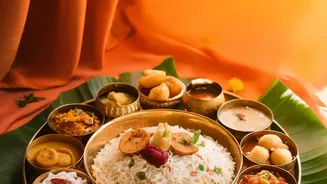
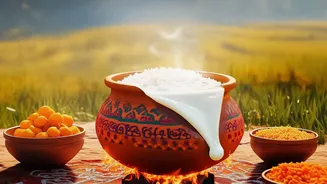
At its core, a Sattvik diet is based on the Ayurvedic principle of 'sattva', which signifies purity, balance, and harmony. The diet focuses on fresh, natural, and minimally processed foods that are light and easy to digest. During Navratri, this means
avoiding items considered 'rajasic' (stimulating) like onions and garlic, and 'tamasic' (heavy or dulling) like processed foods and non-vegetarian items. The goal is to purify not just the body but also the mind, promoting mental clarity and calmness. This ancient practice provides a gentle detox, giving your digestive system a well-deserved break from the onslaught of heavy oils, spices, and processed ingredients common in modern diets.
Fasting: A Reboot for Your Gut
The practice of fasting, or 'vrat', during Navratri is essentially a period of intermittent eating that has profound benefits for gut health. Giving your digestive system a rest allows it to repair and regenerate its lining. This metabolic break helps reduce bloating, improve bowel regularity, and can even enhance the diversity of your gut microbiome—the community of beneficial bacteria living in your digestive tract. Scientific studies on fasting suggest it can lower inflammation and trigger autophagy, a process where the body cleans out damaged cells, further boosting digestive efficiency and overall health. This shift from constant digestion to a period of rest helps rekindle your 'agni', or digestive fire, leading to better nutrient absorption and improved energy.
The Stars of the Sattvik Plate
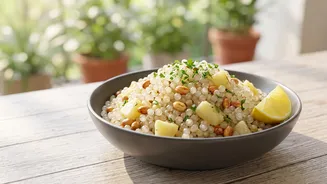
Several key ingredients in Navratri meals are nutritional powerhouses for your gut. Buckwheat flour (kuttu atta) and water chestnut flour (singhara atta) are popular gluten-free alternatives to wheat. Kuttu is particularly rich in fibre and protein, which aids in slower digestion and helps you feel full longer. Singhara atta is also a good source of fibre and potassium. Both contain resistant starch, which isn't digested in the small intestine but instead travels to the colon to feed beneficial gut bacteria. Sabudana (tapioca pearls), another fasting favourite, is incredibly easy to digest, providing quick energy while being gentle on the stomach. Fruits, nuts, and vegetables like pumpkin and bottle gourd provide essential fibre, vitamins, and hydration, while dairy like yogurt acts as a natural probiotic, directly supplying good bacteria to your gut.
From Sendha Namak to Mindful Meals
Even the choice of salt during Navratri is deliberate. Sendha namak, or rock salt, is used instead of regular table salt. It is unprocessed and considered purer, without the chemical additives of common salt. Ayurveda values it for its cooling properties and its ability to aid digestion without causing water retention. Rich in minerals like potassium and magnesium, it helps maintain the body's electrolyte balance, which is crucial for staying energetic while fasting. Beyond the ingredients themselves, the Sattvik tradition encourages mindful eating. Taking the time to eat calm, balanced meals prevents overeating and supports better digestion, allowing your body to fully benefit from the nourishing foods you consume.