




More Than Just Burning Calories
The true magic of a freestyle dance session isn't about perfectly choreographed moves or hitting a specific calorie target; it's about expression. Dancing has a remarkable ability to boost your mood by triggering the release of endorphins, the body's
natural feel-good chemicals. Studies have shown that rhythmic movement to music can reduce symptoms of stress, anxiety, and depression. By allowing your body to move freely, you create a space for emotional release and mindfulness. It pulls you into the present moment, offering a brief escape from repetitive negative thoughts and daily worries. This makes it a powerful tool not just for physical fitness, but for mental clarity and overall well-being.
What 'Easy' Really Means
Freestyle dancing is 'easy' because it has a low barrier to entry. You don't need special equipment—just a clear space and some music. There are no rules and no steps to memorize, which removes the pressure to be perfect. However, the real challenge isn't the movement itself, but overcoming the initial self-consciousness. It's normal to feel a bit awkward at first. The key is to start without judgment, perhaps even avoiding a mirror initially to focus on how the movement feels rather than how it looks. The goal is to find what feels comfortable and authentic to you. Once you get past that mental hurdle, the 'easy' part becomes the genuine fun you have, which is what encourages you to do it again.
How to Structure a Session
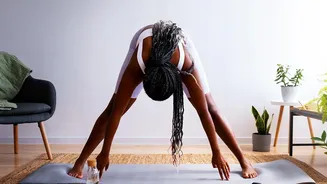
While 'freestyle' implies a lack of structure, a little planning can help you get the most out of your workout. A simple 20-30 minute session is a great place to start. Begin with a five-minute warm-up of light cardio and dynamic stretches, like hip rolls and shoulder rolls, to get your blood flowing and prevent injury. For the main workout, create a playlist of songs you love. Let the music guide your energy levels, starting with a moderate tempo and building to more energetic tracks before slowing down again. You can even give yourself simple themes to explore, like focusing on arm movements for one song and footwork for another. Finish with a five-minute cool-down, stretching the muscles you've worked.
Is It a 'Real' Workout?
Absolutely. Dancing is a legitimate full-body workout that improves cardiovascular health, coordination, balance, and muscle tone. Depending on the intensity, a 30-minute dance session can burn a similar number of calories to jogging. Fast-paced styles that get your heart rate up provide excellent cardio benefits. Slower, more controlled movements engage your core and improve flexibility and stability. While it may not replace a dedicated strength-training program, freestyle dance works multiple muscle groups at once, including stabilizer muscles that are often missed in more linear exercises like running. The key is consistency; the more you do it, the more fitness benefits you'll see.
Staying Motivated and Consistent
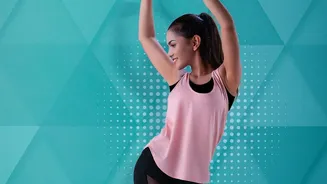
The biggest advantage of a workout you enjoy is that you're more likely to stick with it. To keep your motivation high, treat your dance sessions like a non-negotiable appointment. Changing into activewear can help signal to your brain that it's time to move. To prevent boredom, keep your routine fresh by exploring new music genres or trying a theme for your session. If you're feeling uninspired, you can use online dance videos as a starting point to learn a few moves before going back to pure freestyle. Remember that progress is more important than perfection. Even a ten-minute dance break is better than nothing and helps keep the habit alive.