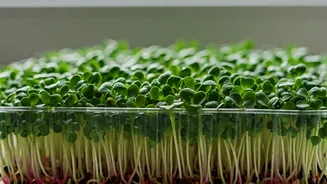




So, What Exactly Are Microgreens?
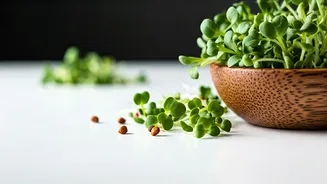
Let’s clear up the confusion. Microgreens are not sprouts. Sprouts are germinated seeds grown in water, harvested within days, and eaten whole (seed, root, and stem). Microgreens, on the other hand, are young vegetable seedlings. They are grown in soil
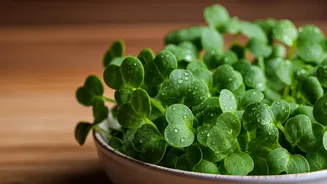
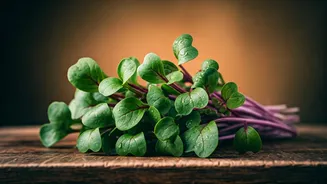
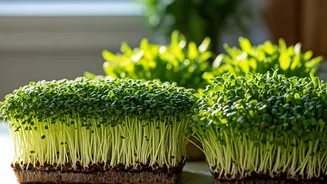
or a soil substitute, harvested a little later than sprouts (typically 7–21 days after planting), and you only eat the stem and leaves. Think of them as the baby stage of plants like radishes, kale, cilantro, or broccoli. They are essentially the link between a sprout and a 'baby green' (like baby spinach). This distinction is important, as the growing method in soil significantly reduces the risk of foodborne illnesses sometimes associated with sprouts.
The Real Reason They're Everywhere
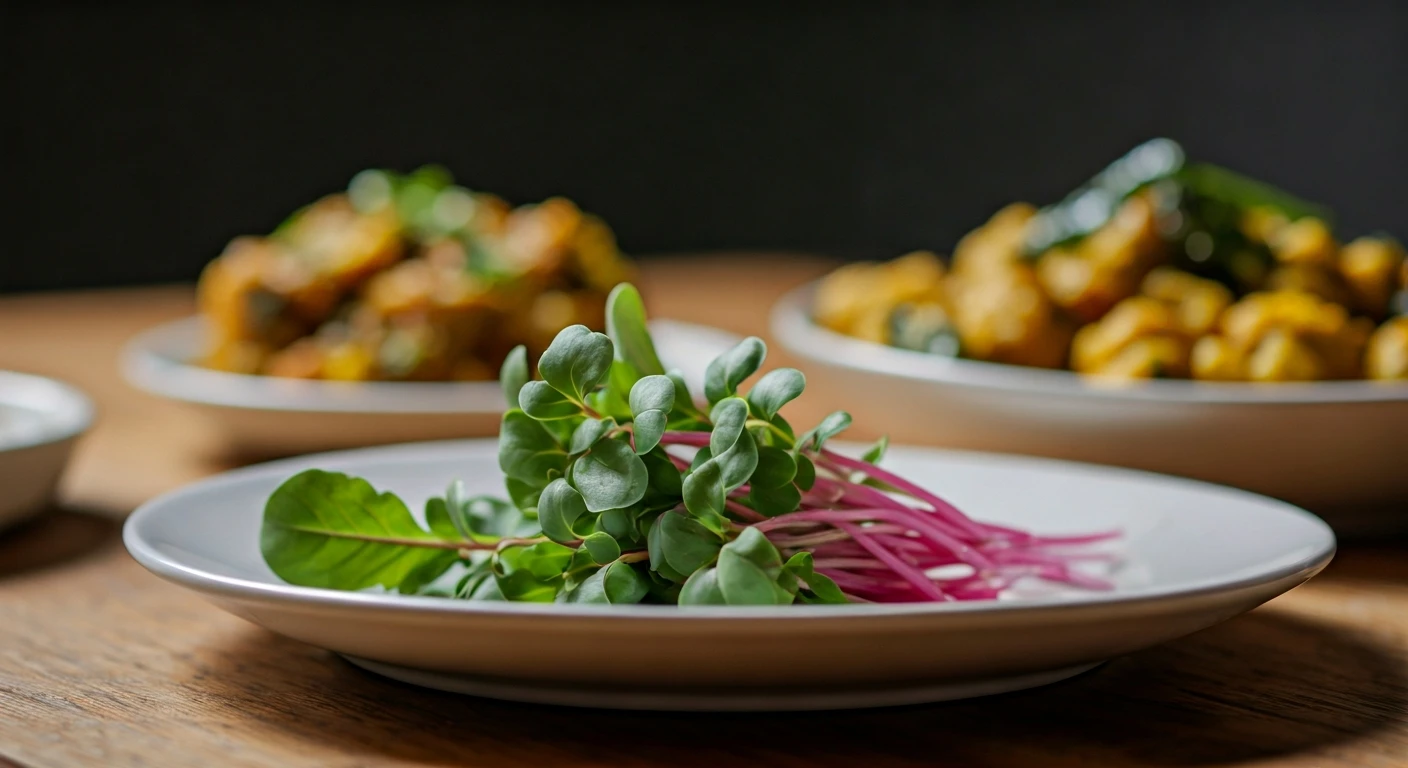
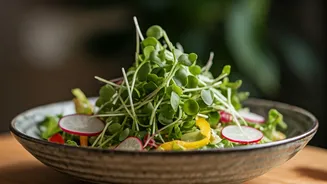
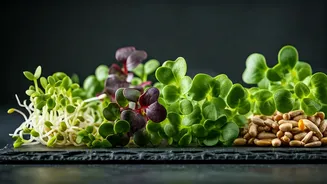
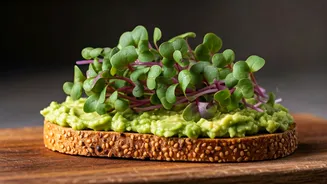
The social media explosion is no accident. Microgreens are incredibly photogenic. Their jewel-toned colors—deep purples, vibrant pinks, and every shade of green—provide an instant visual upgrade to any dish, making it look gourmet and professionally styled. This aesthetic appeal is a huge driver of their popularity online, where a beautiful plate of food can go viral.
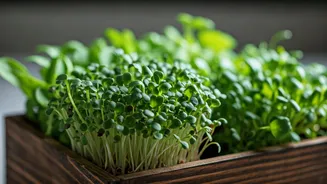
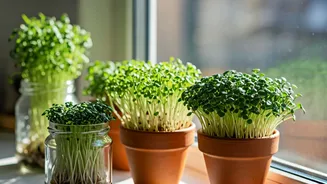
But the trend goes deeper than looks. It taps into the wellness movement's focus on fresh, nutrient-dense foods. Furthermore, the rise of home-gardening during and after the pandemic has made microgreens a star. They are one of the easiest, fastest, and most rewarding things to grow indoors. With just a sunny windowsill, a shallow tray, and some seeds, anyone in a tiny apartment can have a 'harvest' in about two weeks, offering a tangible connection to their food that feels both modern and primal.
Are They a Nutritional Powerhouse?
The short answer is yes, but with a crucial caveat. Studies, including research published by the USDA, have shown that microgreens can be incredibly nutrient-dense. Compared to their mature counterparts, they often contain significantly higher concentrations of vitamins (like C, E, and K) and antioxidants. For example, red cabbage microgreens can have many times the Vitamin C of mature red cabbage.
However, context is everything. You're typically only eating a small handful of microgreens as a garnish. While that pinch adds a definite nutritional boost, it’s not a replacement for eating a full serving of mature vegetables, like a cup of broccoli or a large salad. Think of them as a potent supplement to your meal—a finishing touch that adds concentrated vitamins and phytonutrients, not the nutritional foundation of the dish itself.
More Than Just a Pretty Garnish
The biggest mistake people make is thinking of microgreens as just a fancy, expensive topping for salads. Their real magic lies in their flavor, which is surprisingly intense. Because they are the concentrated essence of the future plant, their taste is a brighter, punchier version of the mature vegetable.
This is where you can get creative. Instead of just a salad upgrade, think of them as a flavor ingredient:
- **Radish microgreens:** Peppery and spicy, they are fantastic for cutting through the richness of scrambled eggs, avocado toast, or tacos.
- **Cilantro microgreens:** They have a pure, bright cilantro flavor without the soapy notes some people dislike in the mature herb. Use them to finish a bowl of chili or a curry.
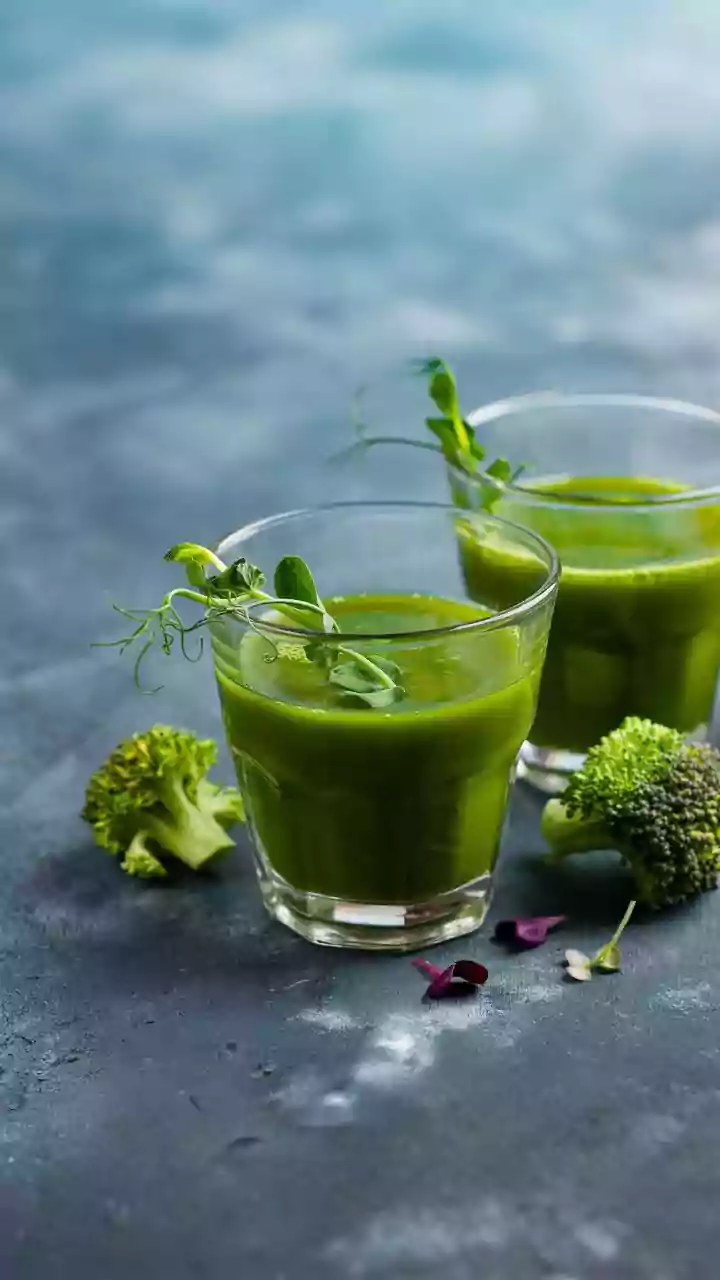
- **Pea shoots:** Sweet, crunchy, and tasting exactly like fresh peas. They are amazing piled high on a sandwich or blended into a pesto.
- **Broccoli microgreens:** Mild and slightly bitter, they can be stirred into pasta, sprinkled over a baked potato, or used to top a grain bowl.
How to Get Started
Ready to try them? You have two main options. First, look for them at your local farmers' market. This is often the best place to find the freshest, most interesting varieties, and you can talk directly to the grower about their flavor. Many grocery stores, especially those with a focus on organic produce, now carry them in the refrigerated produce section, usually in small plastic clamshells.
Your second option is to grow them yourself. Starter kits are widely available online and make the process foolproof. All you need is a tray, a growing medium (like coconut coir), seeds, water, and light. It's a fun, low-commitment project that rewards you with fresh, flavorful greens in a matter of days. Start with something easy and fast-growing, like radish or broccoli, to get a feel for the process. You'll have an endless supply for all your 'instant upgrades.'