



Why Focus on Fibre?
Before we dive into the swaps, let's talk about why fibre is so important. Dietary fibre, found mainly in fruits, vegetables, and whole grains, is essential for good health. It is perhaps best known for promoting regularity and preventing constipation.
But its benefits go much further. A high-fibre diet can help you maintain a healthy weight by making you feel fuller for longer. It also plays a crucial role in managing blood sugar levels by slowing down sugar absorption, which is particularly beneficial for those with diabetes. Furthermore, soluble fibre, found in oats and beans, can help lower cholesterol levels, reducing the risk of heart disease. In short, making fibre a priority is a powerful step towards better overall wellness.
Swap Refined Flour for Whole Grains
One of the easiest yet most impactful changes is to replace refined all-purpose flour (maida) with whole-grain alternatives. Refined grains are stripped of their bran and germ, which removes most of the fibre and nutrients. Whole grains, on the other hand, contain all parts of the grain, making them nutritionally superior. In India, this is a simple switch. Use whole wheat flour (atta) for making rotis, parathas, and even baked goods. Beyond wheat, explore the world of millet flours like jowar (sorghum), bajra (pearl millet), and ragi (finger millet). These ancient grains are naturally gluten-free and packed with fibre, protein, and essential minerals. They bring a unique, nutty flavour to dishes and are excellent for everything from flatbreads to porridge.
Trade White Rice for Brown Rice or Millets
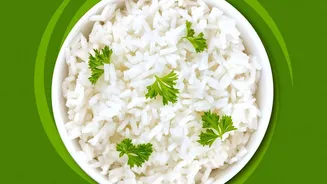
White rice is a staple in many households, but it's a refined grain with very little fibre. The simple swap is brown rice, which retains its fibre-rich husk. However, for a truly superior nutritional boost, consider replacing rice with millets. Millets have a higher fibre content than both white and brown rice, which aids digestion and promotes satiety. They also generally offer more protein and a richer profile of minerals like iron and magnesium. Millets cook similarly to rice and can be used as a direct substitute in dishes like pulao, biryani, or simply as a side to curries and dals. Their slightly nutty flavour adds a new dimension to familiar meals.
Embrace Lentils and Legumes
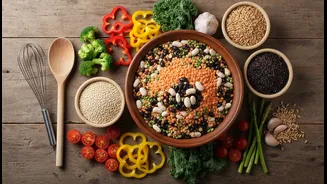
Lentils, beans, and chickpeas are fibre powerhouses that deserve a prime spot in your pantry. A single cup of cooked lentils can provide over half of your recommended daily fibre intake, along with a significant amount of plant-based protein. Pulses like chickpeas, kidney beans (rajma), and black-eyed peas are similarly packed with both soluble and insoluble fibre. They are incredibly versatile and budget-friendly. Use them as the base for hearty curries and stews, add them to salads for a protein and fibre boost, or even blend them into dips like hummus. Keeping a variety of dried or canned legumes on hand makes it easy to add a healthy, filling element to any meal.
Stock Up on Seeds like Chia and Flax
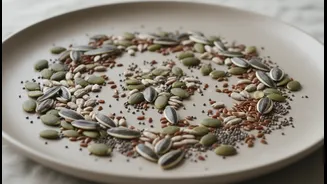
Don't underestimate the power of tiny seeds. Chia and flax seeds are exceptionally rich in fibre, omega-3 fatty acids, and plant-based protein. Just a tablespoon or two can significantly increase the nutritional value of your meal. To get the most benefit from flax seeds, they should be ground; otherwise, they may pass through your system undigested. Chia seeds can be used whole and are known for their ability to absorb liquid and form a gel, making them a great thickener for puddings or smoothies. Sprinkle them over your morning oats, blend them into smoothies, mix them into yoghurt, or use them as an egg substitute in baking.
Opt for Oats and Dalia
For a fibre-friendly start to your day, replace sugary breakfast cereals with rolled oats or dalia (cracked wheat). Oats are an excellent source of a soluble fibre called beta-glucan, which is particularly effective at helping to lower cholesterol. Dalia is another fantastic whole-grain option that provides sustained energy release. Both can be prepared as a savoury upma or a sweet porridge with milk and fruits. They keep you feeling full and satisfied throughout the morning, preventing the blood sugar spikes and mid-morning hunger that often follow a refined-cereal breakfast.