



The End of the Tourist Trail
For years, travel was often a race to see the most landmarks, ticking off items from a guidebook to prove you were there. But a significant shift is underway. Modern travellers are increasingly turning away from standardized, pre-packaged tours and seeking
out what is unique, original, and rooted in a local context. The desire is no longer just to ‘see’ a place, but to understand it, engage with it, and return home with stories that feel profound and personal. This reflects a broader change in values where the quality of an experience outweighs the quantity of sights seen. Instead of a crowded photo opportunity, travellers want a conversation, a shared meal, or a lesson in a traditional craft. It is a move away from the mass-produced and toward the artisanal, where value is found in the narrative behind the experience.
A Gateway Through Gastronomy
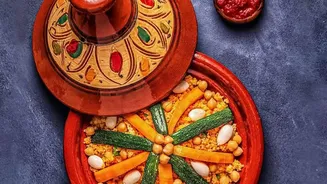
At the forefront of this movement is culinary tourism, which has become a primary motivation for travel. According to a 2026 Food Travel Monitor, 75% of tourists now identify as culinary travellers, and the importance of food and drink in selecting a destination is at its highest point in a decade. In India, the culinary tourism market is projected to grow significantly, driven by a rising interest in regional and authentic dining. This goes far beyond just eating. It involves exploring a destination’s culture through its food traditions, from street food tours and farm-to-table dining to local cooking classes and food festivals. Nearly nine in ten travellers believe trying local food and drink is one of the best ways to understand a destination's culture. This approach transforms eating from a necessity into the main event—a sensory journey that offers a true taste of place.
The Search for Authentic Connection
This growing trend is fuelled by a deep-seated desire for authenticity in an increasingly globalized world. After years of standardised experiences, travellers now crave something more personal and meaningful. This search for authenticity is about more than just avoiding tourist traps; it's about personal growth and self-discovery. Engaging with unfamiliar ways of life, whether by learning a new skill or sharing a meal with a local family, offers a sense of transformation. Social media also plays a role, as travellers seek to capture and share experiences that reflect curiosity and cultural insight rather than just a pretty picture. The most rewarding travel moments are often unscripted—a conversation at a local market, the discovery of a hidden family-run restaurant, or learning the story behind a regional dish. These are the moments that foster a genuine connection and create lasting memories.
How to Plan a Culture-First Trip
Embracing this style of travel requires a shift in mindset from planning to discovery. Start by researching a destination's unique culinary heritage. Look beyond Michelin stars to find out what locals eat, where they shop, and what food-centric festivals or seasons are celebrated. Instead of booking a standard hotel, consider accommodations that reflect the character of their surroundings, such as independent properties or homestays. Prioritise activities that facilitate interaction, like joining a guided food walk, signing up for a cooking workshop, or even just visiting a local grocery store to feel less like a tourist. Be open to spontaneity. Ask for recommendations from locals—the shopkeeper, the taxi driver, the artisan—as their insider knowledge often leads to the most memorable and authentic experiences that no guidebook can offer.