





More Than Just a Workout
The first thing to understand is that for Gen Z, ‘fitness’ isn't just about burning calories or building muscle. It’s a holistic concept encompassing physical, mental, and even social well-being. This generation, raised with an acute awareness of mental health,
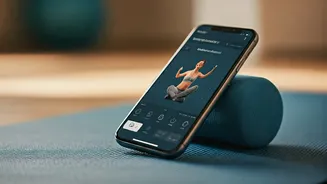
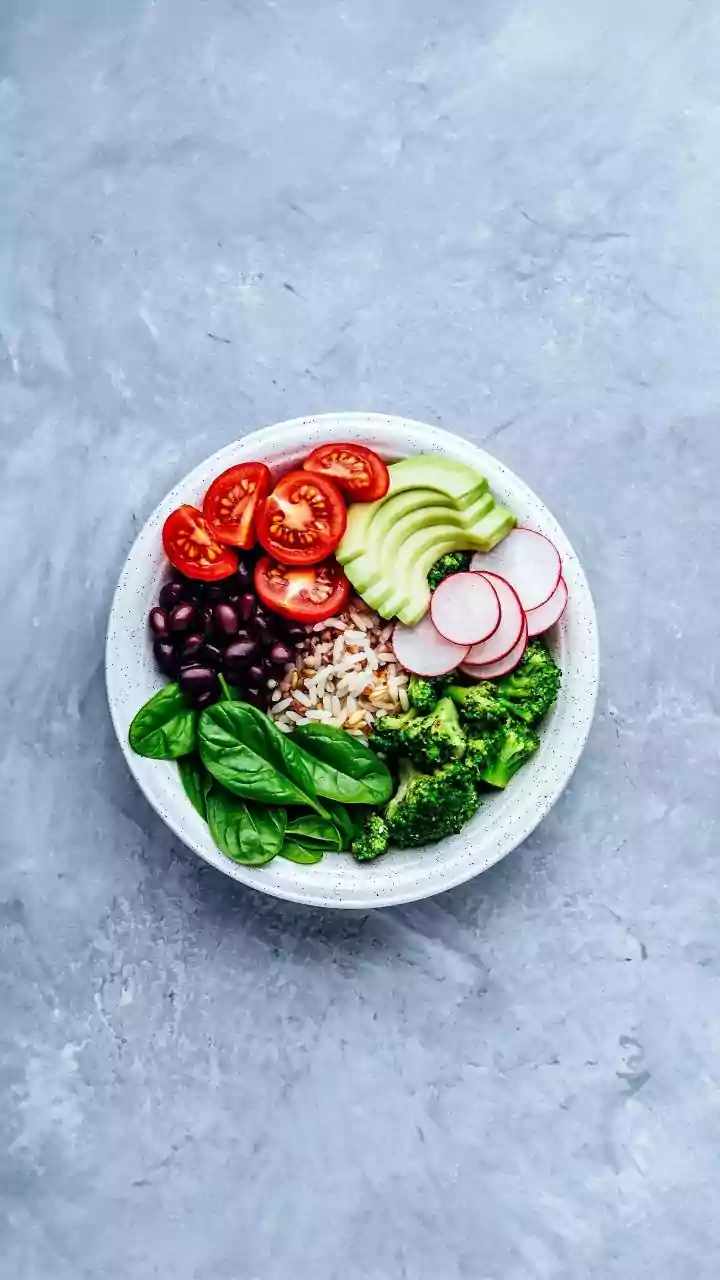
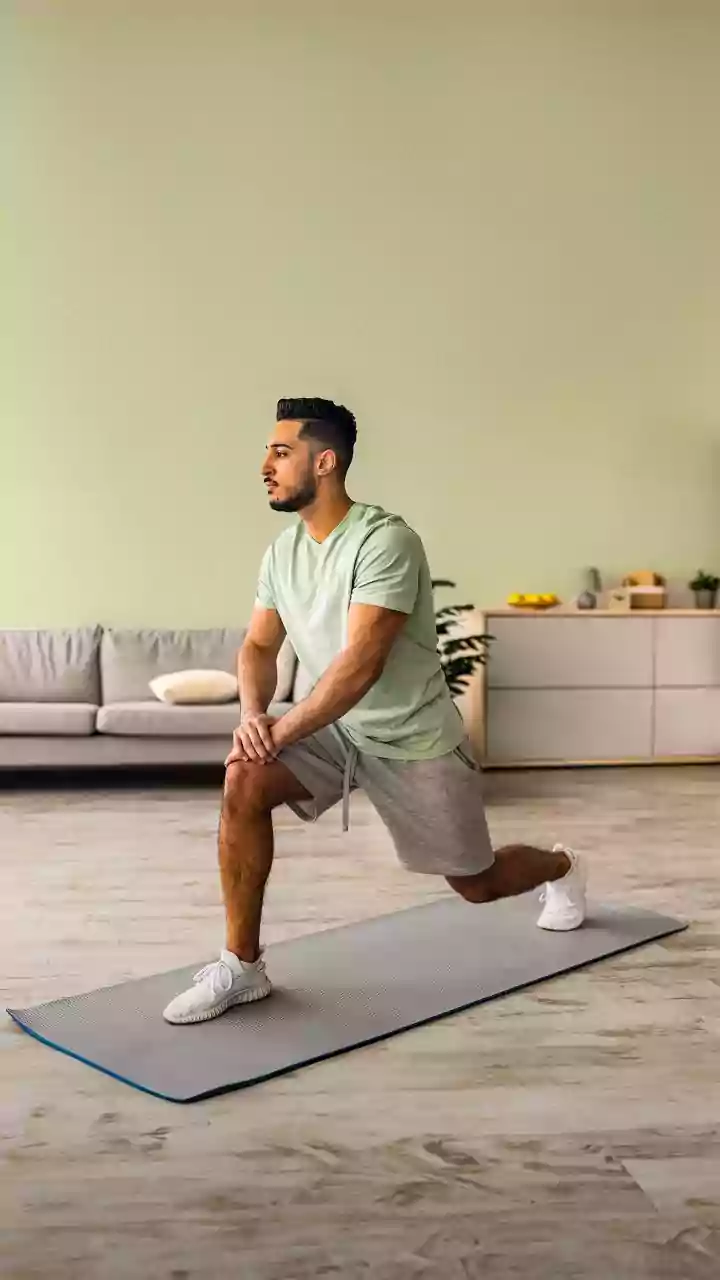
seeks solutions that address the whole person. Fitness apps have been quick to understand this shift. Platforms like Cult.fit aren't just about high-intensity workouts; they offer guided meditations, sleep tracking, healthy meal plans, and even therapy sessions. Apps like Calm and Headspace have found a massive audience by focusing exclusively on mindfulness. This integrated approach meets young users where they are, offering a single destination for managing stress, improving sleep, and getting in a quick yoga session—all before their first morning chai. It redefines wellness as a continuous, accessible practice rather than a scheduled, location-dependent activity.
The Power of Gamification
How do you get someone to choose a 20-minute workout over 20 minutes of scrolling Instagram? You make the workout feel like a game. This is the magic of gamification, and it's a core reason for the stickiness of fitness apps. By incorporating elements like points, badges for achievements, daily streaks, and leaderboards, apps tap into our brain's natural reward system. Completing a workout and earning a "Warrior" badge provides a dopamine hit similar to levelling up in a video game. Seeing your name climb a leaderboard creates a sense of friendly competition, while maintaining a 'streak' of daily meditations becomes a source of pride. For a generation of digital natives who grew up with games, this language is second nature. It transforms a chore into a challenge, making consistency feel rewarding and fun rather than a burden.
Finding Your Fitness Tribe, Online
While fitness can be a personal journey, community makes it sustainable. Traditionally, this community was found at the local gym or a running club. Today, it’s found in-app. Fitness platforms have become social networks in their own right. Apps like Strava, the "social network for athletes," allow users to share their running or cycling routes, give 'kudos' (their version of a 'like'), and comment on each other's activities. In India, Cult.fit enables users to join live classes together, creating a sense of shared energy and accountability, even when everyone is in their own living room. These digital communities combat the isolation that can come with at-home workouts. They provide motivation, celebrate milestones, and create a sense of belonging to a tribe of like-minded individuals, fostering a powerful network of support that keeps users coming back for more.
Your Personal AI Coach
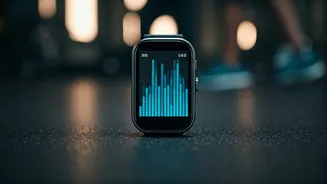
The final piece of the puzzle is hyper-personalisation, powered by data and artificial intelligence. In the past, personalised fitness was a luxury reserved for those who could afford a personal trainer. Today, AI puts a virtual coach in everyone's pocket. Apps use initial assessments and ongoing performance data to create customised workout plans that adapt to a user's progress. They can suggest modifications for injuries and adjust difficulty in real-time. Nutrition apps like HealthifyMe provide AI-driven diet charts and calorie tracking tailored to Indian cuisine and individual health goals. This level of customisation makes fitness feel less intimidating and more effective. It democratises expert guidance, making it accessible, affordable, and perfectly suited to an individual's unique needs and lifestyle, something that resonates deeply with a generation that values authenticity and individuality.