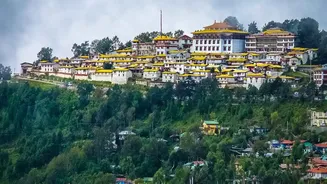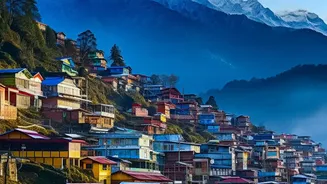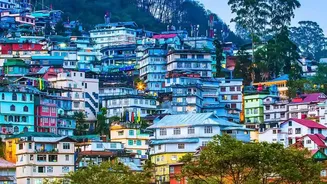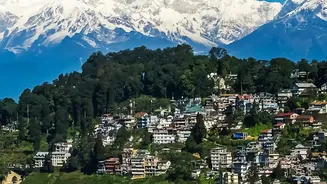


Day 1: Arrival and Journey to Gangtok
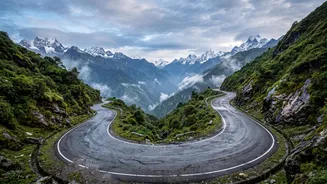
Your adventure begins upon arrival at Bagdogra Airport (IXB) in West Bengal, the nearest air link to Sikkim. From here, a scenic drive of about four to five hours will take you to Gangtok, the state's capital. The journey itself is an introduction to the region's
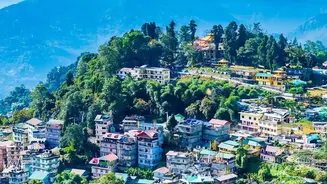
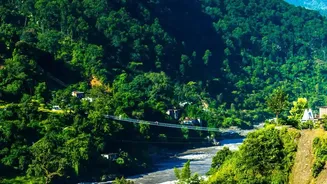
beauty, with the Teesta River accompanying you for much of the way. Upon reaching Gangtok, check into your hotel and take the evening to acclimatize to the altitude of approximately 5,410 feet. A leisurely stroll along the famous MG Marg, a clean, pedestrian-only street, is the perfect way to spend your first evening. This lively hub is filled with shops, cafes, and a palpable buzz of excitement, offering a gentle introduction to Sikkimese life.
Day 2: High-Altitude Lakes and Border Vistas
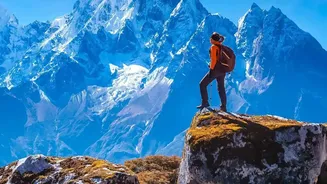
Prepare for a spectacular day trip to some of East Sikkim's most iconic sites: Tsomgo Lake and Baba Mandir. The journey to Tsomgo Lake, a stunning glacial lake perched at an altitude of 12,310 feet, takes about two hours from Gangtok. The lake's crystal-clear waters reflect the surrounding snow-capped peaks, creating a mesmerizing panorama. Further up, Indian nationals can visit the historic Nathu La Pass, a border crossing with China. A visit here is subject to permits and weather conditions, and it remains closed on Mondays and Tuesdays. These areas are restricted, so permits must be arranged in advance through a registered tour operator, who will handle the necessary paperwork. Foreign nationals can visit Tsomgo Lake but are not permitted to go to Nathu La.
Day 3: Exploring the Heart of Gangtok
Today is dedicated to exploring the cultural and scenic treasures within Gangtok. Start your day with a visit to the Rumtek Monastery, one of the most significant and largest monasteries in Sikkim. Other key sites include the Enchey Monastery, the Do-Drul Chorten stupa, and the Namgyal Institute of Tibetology, which offers deep insights into Buddhist philosophy and culture. For panoramic views of the city and the Kanchenjunga range, take a ride on the Gangtok Ropeway. A visit to the Directorate of Handicrafts and Handlooms provides an opportunity to see local artisans at work and purchase authentic souvenirs like thangkas, carpets, and hand-carved tables.
Day 4: Journey to Pelling via South Sikkim
After breakfast, embark on a scenic drive to Pelling in West Sikkim. The journey of approximately five to six hours can be routed through South Sikkim to include some remarkable landmarks. A stop at Ravangla is highly recommended to see the Buddha Park, which features a majestic 130-foot statue of the Buddha set against the Himalayan backdrop. Another key stop is Namchi, where you can visit the Siddhesvara Dham, also known as Char Dham, a vast pilgrimage complex with a towering statue of Lord Shiva and replicas of major Hindu temples. This route provides a beautiful transition from the bustling capital to the tranquil landscapes of the west. Arrive in Pelling by evening and settle into your hotel.
Day 5: Pelling’s Monasteries and Majestic Views
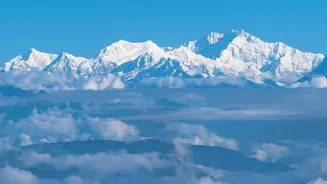
Pelling is renowned for its unparalleled views of the Kanchenjunga peak, and today is all about soaking them in. Start with a visit to the Pemayangtse Monastery, one of the oldest and most important in Sikkim. From there, a short walk leads to the Rabdentse Ruins, the archaeological site of the former capital of the Kingdom of Sikkim. For a modern thrill, visit the Pelling Skywalk, India's first glass-bottomed bridge, which offers dizzying views of the valley below and is located next to a giant statue of Chenrezig. Other must-visit spots include the sacred Khecheopalri Lake, believed to grant wishes, and the stunning Kanchenjunga Falls.
Day 6: Farewell to the Mountains
On your final day, enjoy one last Sikkimese breakfast before beginning the journey back to Bagdogra Airport (IXB) or New Jalpaiguri (NJP) railway station for your departure. The drive from Pelling takes approximately five to six hours. As you descend from the mountains, you'll carry with you the serene memories of misty peaks, fluttering prayer flags, and the warm hospitality of the Himalayan people. The route offers plenty of final opportunities to gaze upon the green valleys and rolling hills, a perfect farewell from this enchanting state.