



The Foundation: Flours for Fasting
Many devotees observe a fast (vrat) on Janmashtami, abstaining from common grains like wheat and rice. Having the right flours on hand is crucial for preparing permissible foods. Stock up on Singhare ka Atta (water chestnut flour) and Kuttu ka Atta (buckwheat
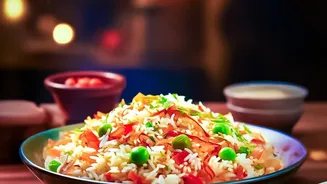
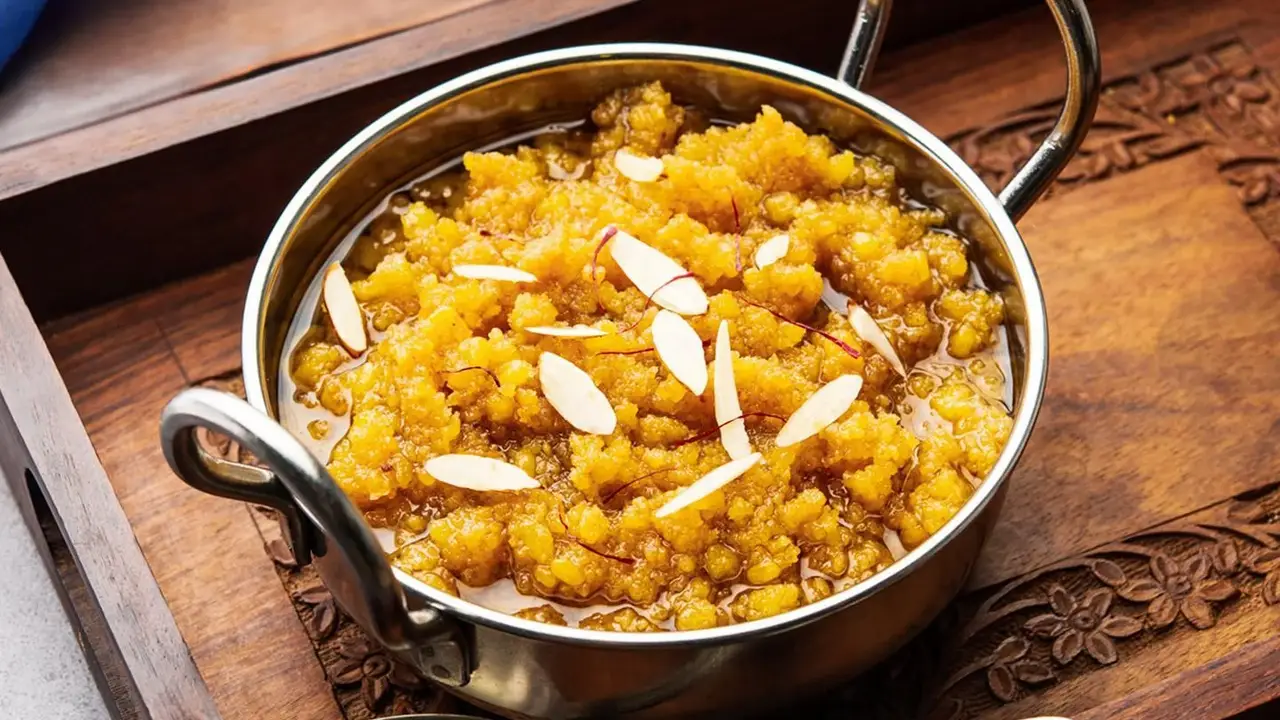
flour), which are staples for making everything from crispy puris and pakoras to wholesome cheelas. Rajgira ka Atta (amaranth flour) is another excellent gluten-free option used for rotis and sheera. For savoury dishes and snacks, Sabudana (tapioca pearls) is a must-have for making creamy khichdi and crispy vadas. Samak Ke Chawal (barnyard millet) serves as a popular rice substitute for pulao and kheer during the fasting period.
Dairy and Fats: The Essence of Krishna's Favourites
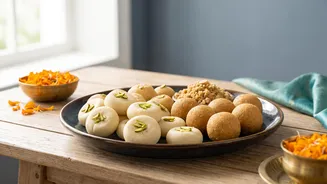
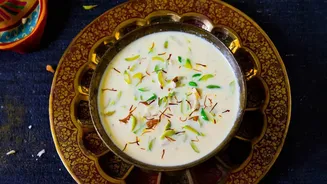
Lord Krishna’s childhood tales are famously linked with his love for milk and butter, making dairy a cornerstone of Janmashtami cuisine. Full-cream milk is essential for preparing sweets like Kheer, Peda, and for making fresh paneer at home. Curd (yoghurt) is not only offered as is but is also a key component of Panchamrit, the sacred five-ingredient offering. Of course, no Janmashtami is complete without homemade white butter (Makhan), famously offered with Mishri (rock sugar). Ghee (clarified butter) is the primary cooking medium, used for frying, sautéing, and adding richness to nearly every dish, from halwa to panjiri.
Sweeteners: For Prasad and Mithai
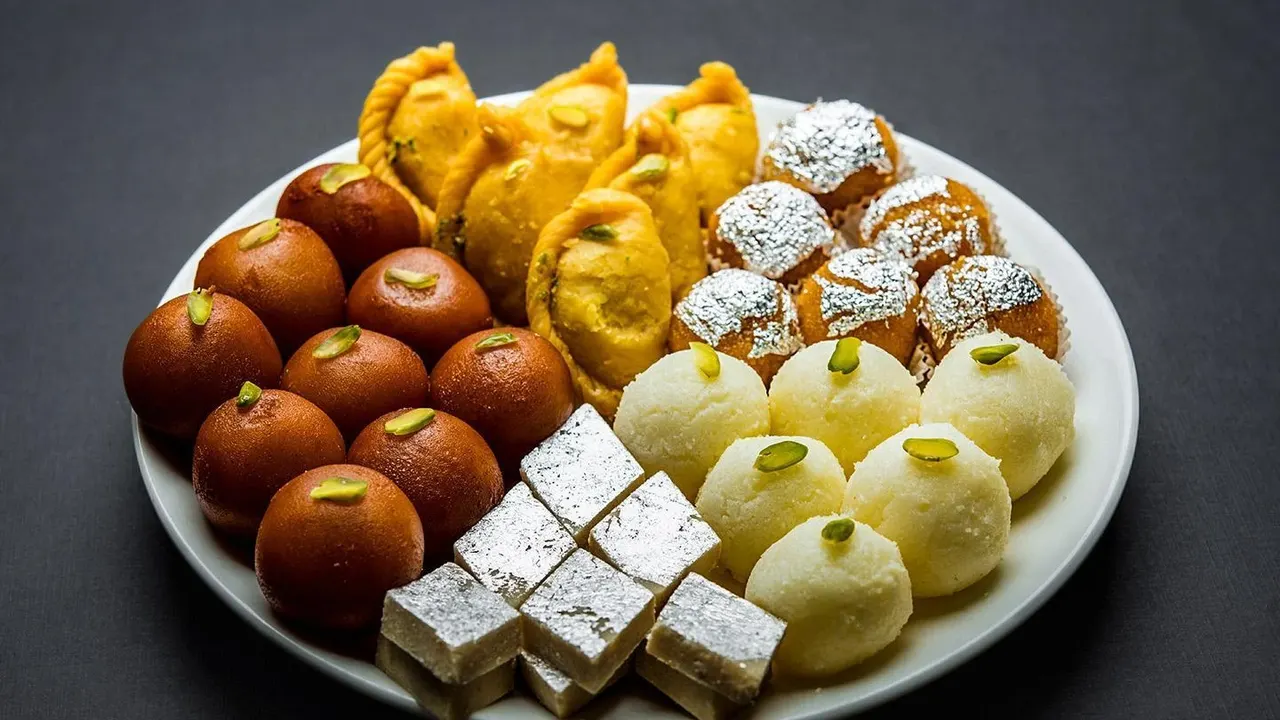
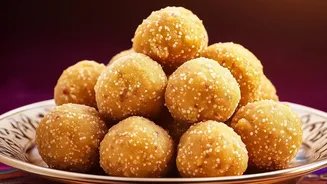
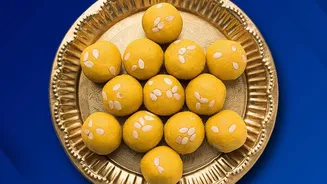
Sweets are central to the bhog offered to Lord Krishna. Traditional sweeteners are preferred over processed white sugar. Jaggery (gur) is widely used for making sweets like laddus and chikkis. Mishri (rock sugar) is indispensable, especially for the classic Makhan Mishri offering. Powdered sugar or Boora is also useful for sweets like Dhaniya Panjiri, where it blends smoothly without needing to be melted. Honey is another important component, primarily used in the preparation of Panchamrit, where its natural sweetness complements the other four nectars.
Nuts and Dried Fruits: For Richness and Garnish
Nuts and dried fruits add texture, richness, and nutritional value to festive preparations. Almonds, cashews, and pistachios are used extensively, either chopped and mixed into sweets like Panjiri and Kheer or used as a garnish. Makhana (fox nuts) are particularly significant; they are roasted and used to make Makhana Kheer, Makhana Paag, or simply offered as a roasted snack. Raisins add a touch of sweetness to savoury and sweet dishes alike. Don’t forget desiccated or grated dry coconut, which is a key ingredient in many laddus and barfis and is also used to finish dishes like Dhaniya Panjiri.
Essential Spices and Seasonings
While many spices are used, some are particularly important for fasting recipes. Sendha Namak (rock salt) is the only salt permitted during the vrat, so it's a must-have for all savoury dishes. For flavouring, stock up on whole spices like Jeera (cumin seeds), Laung (cloves), and Kali Mirch (black pepper). Powdered spices such as Elaichi (cardamom powder) are essential for flavouring almost every sweet dish, lending a signature aroma to kheer, peda, and barfi. Dhaniya (coriander powder) is the star ingredient for the unique Dhaniya Panjiri, a prasad made especially for this festival.