
The Hidden Risks of a Rainy Walk
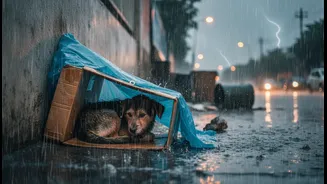
While a walk in the rain seems refreshing, the monsoon environment is a breeding ground for health issues. The high humidity means your dog's coat stays damp long after the walk, creating a perfect environment for fungal and bacterial skin infections
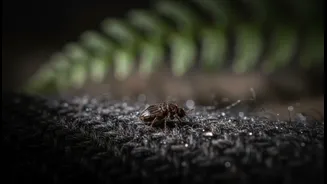
like 'hot spots' (acute moist dermatitis). Furthermore, streets and puddles are not just filled with water; they are often contaminated. This standing water can harbor dangerous bacteria, most notably the kind that causes leptospirosis, a serious disease transmitted through the urine of infected animals like rodents. Ticks and fleas also see a population boom during these months, hiding in damp grass and waiting to latch on. The combination of these factors makes a simple walk a high-risk activity if proper precautions are not taken.
Paw Care is the First Line of Defence
A dog's paws are their direct connection to the wet, and often dirty, ground. This makes post-walk paw hygiene the single most important habit for pet parents during the monsoon. After every single walk, no matter how short, it's crucial to clean and dry your pet's paws thoroughly. Use a clean cloth or pet-safe wipes to clean away mud and debris, paying special attention to the area between the toes where moisture and germs love to hide. For dogs with longer fur around their paws, trimming it short can prevent water from getting trapped. This simple five-minute routine dramatically reduces the risk of painful paw infections and prevents your pet from tracking harmful bacteria into the house.
Gear Up for a Safer Stroll
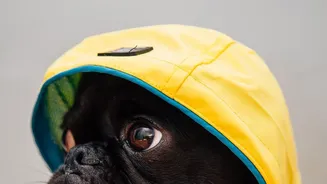
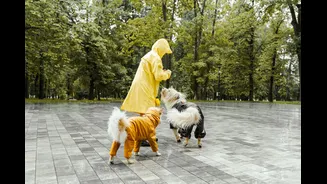
The right gear can transform a soggy, risky walk into a safe and comfortable one. A well-fitting, waterproof raincoat is a game-changer, keeping your dog's torso and back dry and minimising the post-walk cleanup. Look for lightweight, breathable options with reflective strips for better visibility on gloomy days. Water-resistant collars and leashes are also a smart investment as they don't get heavy and soggy. For paw protection, waterproof dog booties can be excellent for keeping paws clean and safe from sharp objects hidden in puddles, though not all dogs will tolerate them. An alternative is a paw balm or wax, which can create a protective barrier on the paw pads.
The Post-Walk Drying Ritual
Cleaning paws is only half the battle; thorough drying is just as critical. A damp coat is a major cause of skin infections in dogs during the monsoon. Keep a dedicated, highly absorbent microfiber towel near the door specifically for your pet. After wiping the paws, towel dry your dog’s entire body, focusing on the underbelly, armpits, and ears, as these areas trap moisture. For dogs with thick or double coats, a quick once-over with a hairdryer on a low-heat setting can make a huge difference in ensuring their skin is completely dry, preventing the growth of yeast and bacteria.
Smarter Routes and Timings
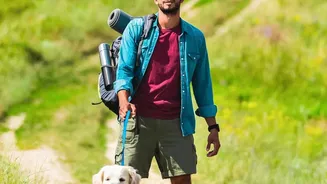
During the monsoon, it pays to be strategic about when and where you walk. Avoid walks during heavy downpours or thunderstorms. Instead, try to head out during lighter drizzles or in the breaks between showers. It's also wise to alter your usual route, steering clear of heavily waterlogged areas and large, stagnant puddles, which are high-risk zones for leptospirosis. Opt for paved paths or society roads with better drainage. Many owners find that two or three shorter walks are better than one long one, as it minimises exposure to the wet conditions while still giving their pet the exercise and potty breaks they need.