
Avial: The Legendary Mixed Vegetable Stew
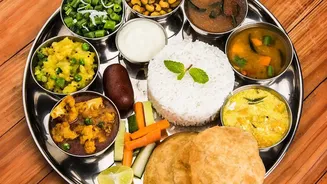
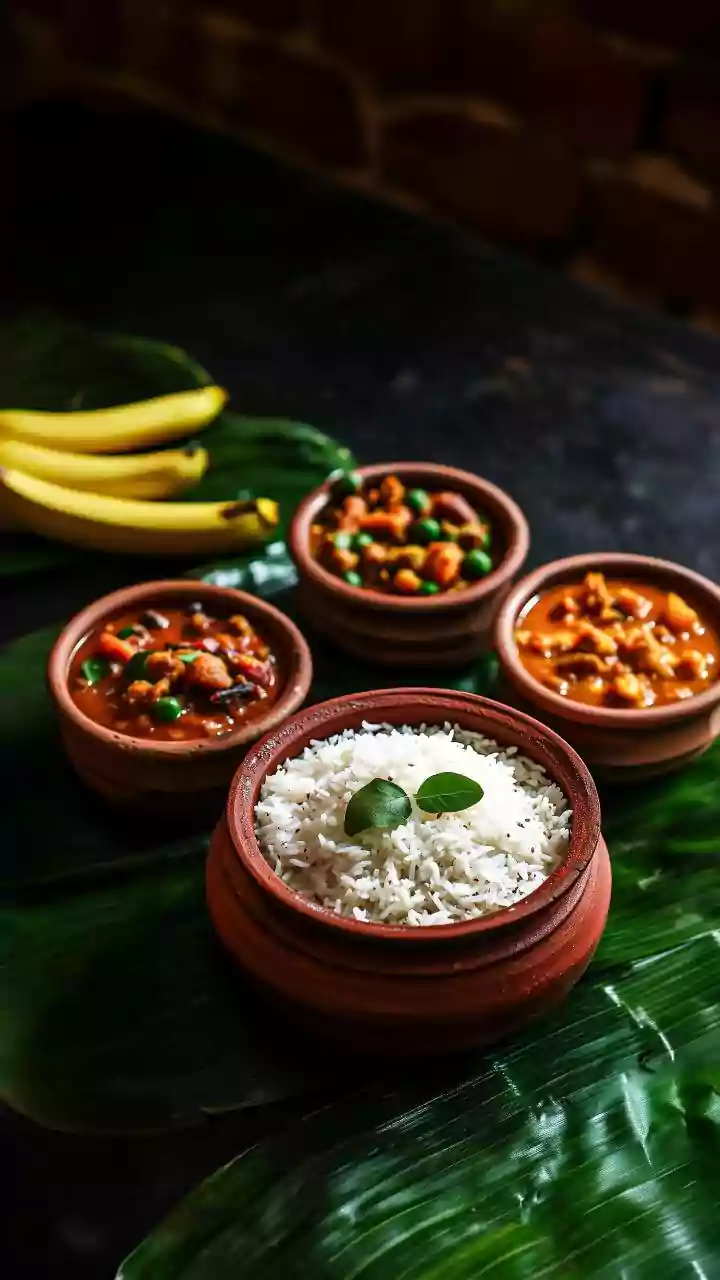
No Onam Sadhya is complete without Avial, a thick, hearty stew of mixed vegetables in a coconut and yogurt gravy. Often considered the star of the feast, it typically includes a medley of 13 or more vegetables like drumsticks, plantain, yam, and carrots,
all cut into thick fingers. Mythology credits its invention to the Pandava brother Bhima, who, during his exile as a cook, is said to have boiled all available vegetables together to create a new dish when faced with unexpected guests or a shortage of ingredients.
Parippu Curry: The Simple, Soulful Starter
The Sadhya traditionally begins with a serving of hot rice topped with Parippu Curry. This simple, elegant dish is a creamy curry made from split moong dal (cherupayar parippu), seasoned with coconut, green chillies, and cumin. A generous spoonful of ghee is poured over the parippu, and it's often mixed with a crushed pappadam to create the first satisfying bites of the grand meal. Its mild flavour and comforting aroma make it the perfect foundation for the courses to follow.
Sambar: The Hearty Lentil and Vegetable Stew
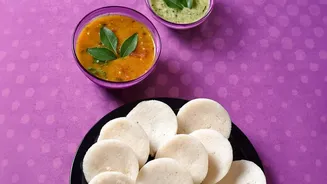
A staple across South India, the Sambar served during an Onam Sadhya is distinctly rich and flavourful. It’s a robust stew of toor dal and a variety of vegetables like pumpkin, drumsticks, and okra, all simmered in a tangy tamarind broth. The Kerala version often has a thicker consistency and relies on a fragrant, freshly roasted spice and coconut masala that sets it apart, making it an indispensable part of the main course.
Olan: The Subtle and Delicate Curry
In a feast known for its bold flavours, Olan provides a moment of gentle, soothing comfort. This exceptionally mild curry is made with ash gourd and red cowpeas (vanpayar) simmered in thin, delicate coconut milk. It serves as a perfect palate balancer, offering a clean, subtle taste that contrasts beautifully with the spicier and tangier dishes on the banana leaf, embodying the simplicity and elegance of Kerala's culinary traditions.
Kalan: The Tangy Yogurt and Yam Curry
Kalan is a thick, sour curry with a unique flavour profile derived from its base of yogurt or buttermilk, yam or raw plantain, and ground coconut. What makes it stand out is the distinct kick from black pepper, which complements the sourness of the curd. Its delightful tang and creamy texture make it a classic accompaniment that adds another layer of complexity to the meal.
Pachadi and Kichadi: The Yogurt-Based Twins
These two yogurt-based side dishes, or raitas, are essential for their cooling properties. Though often confused, they have a key difference: Pachadi is typically sweeter, often made with fruits like pineapple or vegetables like beetroot, and has a milder tang. Kichadi is its savoury counterpart, usually made with raw vegetables like cucumber or okra, and has a more pronounced sour taste. Both add a refreshing contrast to the main dishes.
Sharkara Varatti and Upperi: The Essential Chips
Long before the main courses arrive, the banana leaf is adorned with these classic snacks. Upperi, the savoury banana chips fried in coconut oil, provides a salty crunch. Its sweet counterpart is Sharkara Varatti, where chunks of raw banana are deep-fried and then coated in a thick, spiced jaggery syrup, creating a sweet, crunchy, and irresistible bite. Together, they represent the perfect balance of sweet and savoury.
Payasam: The Royal Dessert
No Sadhya is complete without Payasam, the sweet finale. While there are many varieties, two classics often grace the Onam feast. Palada Pradhaman is a creamy, rich dessert made from milk and rice flakes (ada). Parippu Pradhaman is an earthier, equally delicious version made with moong dal, jaggery, and coconut milk. Served warm, this dessert is the crowning glory of the meal, a taste of pure festive indulgence.