







The Need for Speed vs. Safety
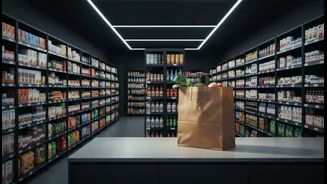
The promise of 10-minute delivery has transformed urban grocery shopping in India. Services like Blinkit, Zepto, and Swiggy Instamart operate from 'dark stores'—local mini-warehouses—to get products to you faster than ever. But this model, built for speed,
creates unique challenges for food safety. Unlike a supermarket where you can inspect items, quick commerce relies on a hidden supply chain. Recent inspections of these dark stores by food safety authorities have sometimes revealed issues like improper storage temperatures, dusty racks, and expired products, raising questions for consumers who trade visibility for convenience. The story of quick commerce safety isn't just about the delivery rider's race against time; it's about the entire process from the warehouse shelf to your kitchen.
Know the Rules of the Road
India's food safety regulator, the Food Safety and Standards Authority of India (FSSAI), sets the rules for all food businesses, including online platforms. These platforms, legally termed E-commerce Food Business Operators (EFBOs), are required to hold valid FSSAI licenses, which should be displayed. Key FSSAI guidelines mandate that delivered products must have a significant portion of their shelf life remaining—at least 30% or 45 days before expiry. Following consumer complaints about receiving items close to their expiry date, the FSSAI has intensified its scrutiny. The regulator also requires that staff, including delivery personnel, receive training in food safety and hygiene. Knowing these basic rights helps you understand what to expect and when to raise a concern.
Decoding the Digital Aisle
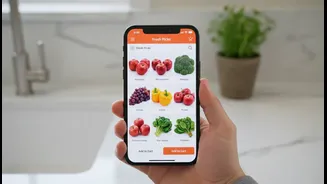
Being a smart online shopper starts before you even click 'buy'. While many quick-commerce apps have been flagged for not consistently showing 'best before' dates, some are improving. Take a moment to look for this information. Scrutinise product images and descriptions. Although regulations require platforms to provide essential label information online, this is not always followed. You can also look for the seller’s FSSAI license number on the platform, a sign of compliance. While you can't physically pick up the product, you can arm yourself with all the digital information available before adding it to your cart. Don't let the convenience of a quick checkout stop you from doing your due diligence.
Protecting the All-Important Cold Chain
For items like milk, yogurt, cheese, meat, and frozen foods, the 'cold chain' is a critical safety factor. This refers to the unbroken, temperature-controlled journey from the manufacturer to your home. A break in this chain can cause spoilage and bacterial growth, even if the product is still within its expiry date. Quick commerce dark stores are supposed to be equipped with chillers and freezers to maintain these temperatures. When your order arrives, feel the products. Are the frozen items still solid? Are the chilled dairy products cool to the touch? If a product that should be cold arrives at room temperature, it's a major red flag that the cold chain was broken. It's best to discard such items and report the issue immediately.
The Final Check at Your Doorstep
Your responsibility doesn't end at checkout; it extends to the moment of delivery. Don't just accept the bag and close the door. Take a quick moment to inspect your items. Check for torn or damaged packaging, which can expose food to contaminants. Look at the expiry dates on products like bread, milk, and packaged snacks. For fresh produce, trust your senses. Do the vegetables look fresh or wilted? Does anything smell off? These platforms have user-friendly return and refund policies, often praised for quick resolutions for damaged or incorrect items. Using this power to reject or report substandard products not only protects you but also sends a clear message to the platform about quality control.
Using Your Voice as a Consumer
When you receive a product that is expired, spoiled, or unsafe, getting a refund is only the first step. Platforms need data to identify and fix systemic issues, whether it's a problematic dark store or a supplier with poor quality control. Use the app's feedback and rating system to report the specific problem. If the issue is serious or the platform's response is inadequate, you have further options. Consumers can lodge complaints with the FSSAI or via the National Consumer Helpline. Recent regulatory actions against major platforms have been prompted by multiple consumer complaints. Your individual report contributes to a larger data set that holds these billion-dollar companies accountable, ensuring that convenience doesn't compromise the fundamental right to safe food.