




Why Grow Pomegranates in Pots?
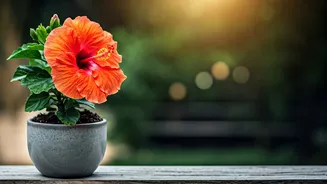
Beyond the thrill of harvesting your own fruit, potted pomegranates are fantastic ornamental plants. They produce stunning, bright orange-red flowers before they fruit, and their glossy green leaves add a touch of elegance to any space. Pomegranate trees
adapt remarkably well to containers because they tolerate restricted root space and pruning. They are a great choice for urban gardeners in India, thriving in our warm climate and bringing a taste of the exotic to balconies, terraces, and even sunny windowsills. With a little care, you can enjoy the dual benefits of a beautiful plant and nutritious, homegrown produce.
Choosing the Right Variety
While you can grow standard varieties, your best bet for container gardening is a dwarf pomegranate. Look for varieties like 'Nana', which are naturally compact, often growing only up to three feet tall. These are specifically suited for pots and can even be used for bonsai. Grafted saplings from a local nursery are highly recommended over growing from seed, as they mature and produce fruit much faster. In India, popular high-yield varieties like 'Bhagwa' and 'Ganesh' can also be managed in large containers with diligent pruning.
The Perfect Pot and Soil
Pomegranates need space for their roots to thrive. Start with a pot that is at least 12-18 inches deep and wide, ensuring it has excellent drainage holes to prevent waterlogging and root rot. Terracotta or clay pots are great choices as they allow for better airflow. The ideal soil mix should be well-draining. A good recipe is a mix of about 40% garden soil, 30% compost or well-decomposed cow dung manure, 20% sand for drainage, and 10% cocopeat or vermicompost to retain some moisture. This creates a light, fertile medium that supports healthy growth.
Sunlight and Watering Needs
Pomegranates are sun-loving plants. For your tree to flower and produce fruit, it needs at least 6 to 8 hours of direct sunlight every day. A south-facing balcony or terrace is the perfect spot. While established pomegranate trees are known for being drought-tolerant, container plants dry out much faster and require more consistent watering. Water the plant deeply when the top 2-3 inches of soil feel dry to the touch. Be careful not to overwater, especially in winter, as this can harm the roots.
Feeding and Fertilising Your Tree
Nutrients in pots get used up quickly, so regular feeding is essential. For the first year, a nutrient-rich potting mix might be sufficient. From the second year onwards, plan to fertilise. You can use a balanced organic fertiliser like compost or cow dung manure every 4-6 weeks during the growing season. Alternatively, a balanced 10-10-10 chemical fertiliser can be applied a few times a year—typically in early spring and again before winter. Applying fertilisers rich in potassium before the flowering season can encourage better fruit development.
Pruning for Shape and Fruit
Pruning is key to keeping your potted pomegranate manageable and productive. The best time to prune is in late winter or early spring, before new growth begins. Your goal is to create an open, vase-like shape with 3 to 5 main branches. Remove any dead, damaged, or crossing branches to improve air circulation and sunlight penetration. Also, trim away suckers that grow from the base of the plant. This directs the plant's energy towards producing fruit instead of excess foliage. Regular light pruning is better than a single heavy cut, which can reduce fruiting.
Harvesting Your Homegrown Jewels
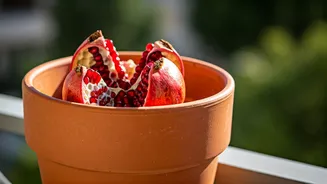
Patience is a virtue in gardening. A grafted pomegranate sapling may begin to bear fruit within its second year. The fruit is ready to harvest when it develops a deep, rich colour and makes a metallic sound when tapped. Don’t pull the fruit from the branch; instead, use a pair of pruning shears to cut the stem close to the fruit. Properly harvested pomegranates can be stored in a cool, dry place for several months, allowing you to enjoy the rewards of your gardening efforts for a long time.