








Make Weekly Budgets, Not Monthly
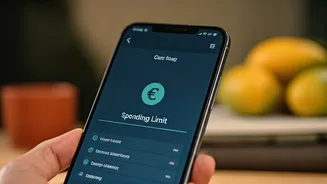
A month is a long time in a student's life, and a monthly budget can feel abstract. Instead, break it down. Give yourself a weekly allowance for 'wants' like snacks, outings, and online shopping. This makes it much easier to track and control. If you have
₹1,000 for the week, you're less likely to splurge it all on Monday. Some apps even allow you to set weekly spending limits, giving you a nudge when you're nearing your cap. This micro-budgeting approach prevents the end-of-month panic when your account is unexpectedly empty.
Become a Master of Expense Tracking
The biggest danger with UPI is 'invisible spending'—small, frequent transactions that you barely notice. A ₹50 coffee here and a ₹100 auto ride there add up. Most UPI apps have built-in expense tracking features that categorize your spending automatically. Make it a habit to review this weekly. Seeing a pie chart that shows 40% of your money went to food delivery is a powerful wake-up call. For more detailed analysis, apps like Walnut or Fi Money can read your transaction alerts and provide deeper insights.
Use the 'Split Bill' Feature Socially and Smartly
Splitting bills for group dinners, trips, or shared housing is a core student experience. UPI makes this incredibly easy, avoiding the awkwardness of handling cash. Be proactive and use the 'split bill' feature on apps like Google Pay or dedicated tools like Splitwise that integrate with UPI. This ensures everyone pays their share promptly and you aren't left covering for others. It maintains transparency and prevents financial misunderstandings that can strain friendships. However, be mindful that frequent large splits can signal to future lenders that you might be financially stretched.
Implement a 24-Hour Cooling-Off Period
Impulse purchases are a budget’s worst enemy, and UPI makes them frictionless. See a cool gadget online or a new pair of sneakers? Instead of buying it instantly, add it to your cart and wait 24 hours. This simple delay separates a genuine need from a fleeting want. More often than not, the urge will pass, and your bank balance will thank you. This habit builds discipline and forces you to think more critically about where your money is going, especially for non-essential purchases over a certain amount, like ₹500 or ₹1,000.
Automate Tiny Savings with Every Spend
Turn your spending habit into a saving habit. Some fintech apps have a 'round-up' feature. Every time you make a UPI payment, the app rounds up the amount to the nearest 10 or 100 and moves the spare change into a separate savings pot or even a micro-investment. Paying ₹85 for lunch? The app can round it up to ₹90 and automatically save ₹5 for you. It feels like nothing, but over a month, these small, automated savings can accumulate into a respectable emergency fund or a treat you've saved for responsibly.
Stay Safe: Your PIN Is Not for Sharing
Financial stress isn't just about overspending; it's also about security. Scams targeting students are common. Remember the golden rule: you never need to enter your UPI PIN to *receive* money. Be wary of fake QR codes, suspicious payment requests, and anyone calling or texting for an OTP. Use a strong, unique PIN and never share it. Enable transaction alerts so you're notified of every payment in real-time, helping you spot unauthorized activity immediately.