




The Zero-Gravity Culinary Challenge
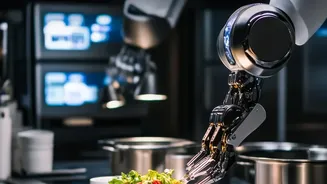
Creating food for space is far more complex than just packing a tiffin. In the microgravity of orbit, a single floating crumb can be a disaster, potentially damaging sensitive equipment or being inhaled by an astronaut. This is why space food must be specially
engineered. It has to be nutritious, have a long shelf-life without refrigeration, and be packaged to be eaten with minimal fuss. Scientists use advanced techniques like thermal stabilisation and dehydration to make dishes safe and practical. Furthermore, the food must be carefully prepared to avoid being dry or crumbly. Every meal is a masterpiece of food science, designed to function perfectly in an environment that defies earthly logic.
A Taste of Home in Orbit
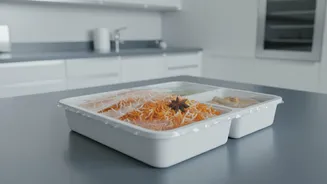
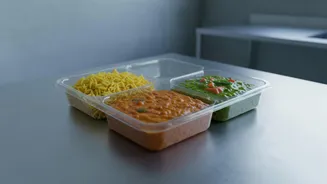
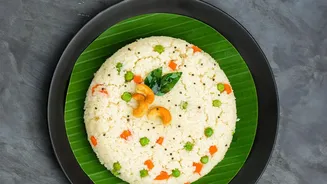
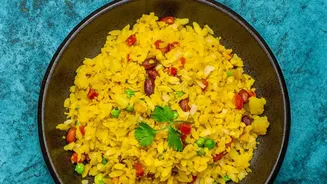
So what will India's astronauts be eating? Forget bland pastes. The menu being developed is a celebration of Indian cuisine, tailored for the stars. Scientists at the ICMR-National Institute of Nutrition (NIN) in Hyderabad are working on a menu that includes familiar comforts like khichdi, mutton rolls, and chicken nuggets. These will be available in semi-solid and ready-to-eat formats that can be easily consumed in space. The nutritional profile is meticulously planned, with controlled sodium levels and an emphasis on micronutrients and antioxidants to support astronaut health. Both vegetarian and non-vegetarian options are being developed, ensuring the final menu caters to Indian food habits while meeting the strict demands of space travel.
Hyderabad's Crucial Role
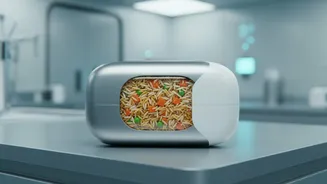
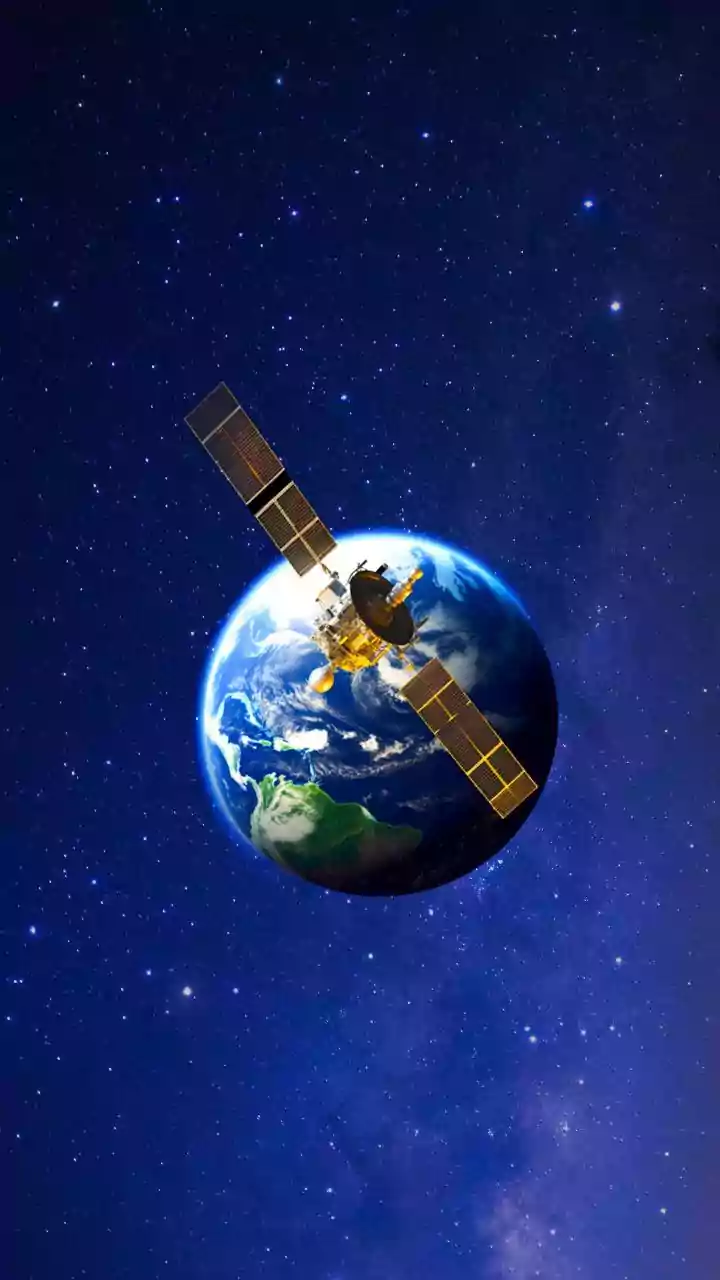
While the headline focuses on Hyderabad, this culinary space race is a collaborative national effort. The Mysuru-based Defence Food Research Laboratory (DFRL) has a long history in this field, having supplied food for India's first astronaut, Rakesh Sharma, back in 1984. Today, NIN in Hyderabad is bringing its deep expertise in nutrition to the Gaganyaan mission, working closely with ISRO's Human Space Flight Centre. In fact, a Memorandum of Understanding was signed between NIN and ISRO to formalise this critical collaboration. The city's private sector is also involved, with Hyderabad-based Ananth Technologies developing a 'smart tiffin box' with sensors to monitor the food's condition, adding another layer of safety and innovation to the mission.
Food for Morale and a Nation's Pride
Providing astronauts with familiar food is about more than just nutrition; it's a crucial psychological boost. Being isolated in the harsh environment of space, a taste of home can significantly improve morale and reduce feelings of homesickness. For astronauts on the Gaganyaan mission, being able to eat dal, biryani, or idli is a powerful connection to their culture and country. This effort to Indianise the space menu is a point of national pride. It demonstrates that India's space ambitions are comprehensive, focusing not just on the engineering marvel of launching a rocket, but also on the human element of caring for its astronauts in a way that is uniquely Indian.