



The Snack in Question
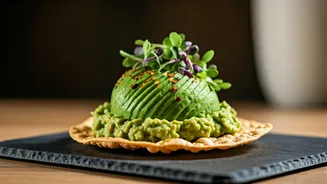
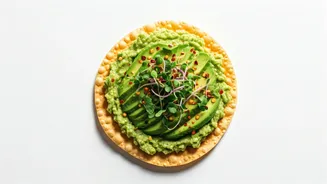
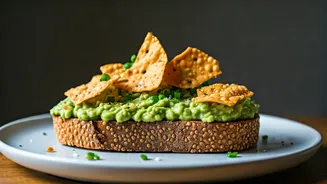
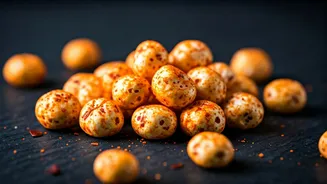
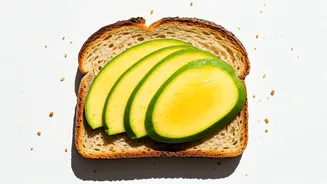
So, what exactly is Crispy Papad Avocado Toast? It’s brilliantly simple. Instead of bread, the base is a crispy, roasted, or fried papad—the thin, lentil-flour wafer that’s a staple in every Indian household. Atop this savoury, brittle disc sits a generous
smear of creamy, seasoned avocado, often garnished with chilli flakes, chaat masala, or a sprinkle of chopped onions and tomatoes. The result is a study in contrasts: the warm, earthy crunch of the papad gives way to the cool, smooth richness of the avocado. It’s a textural masterpiece that delivers flavour and satisfaction in every bite.
A Tale of Two Staples
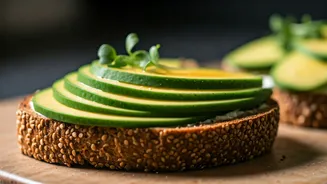
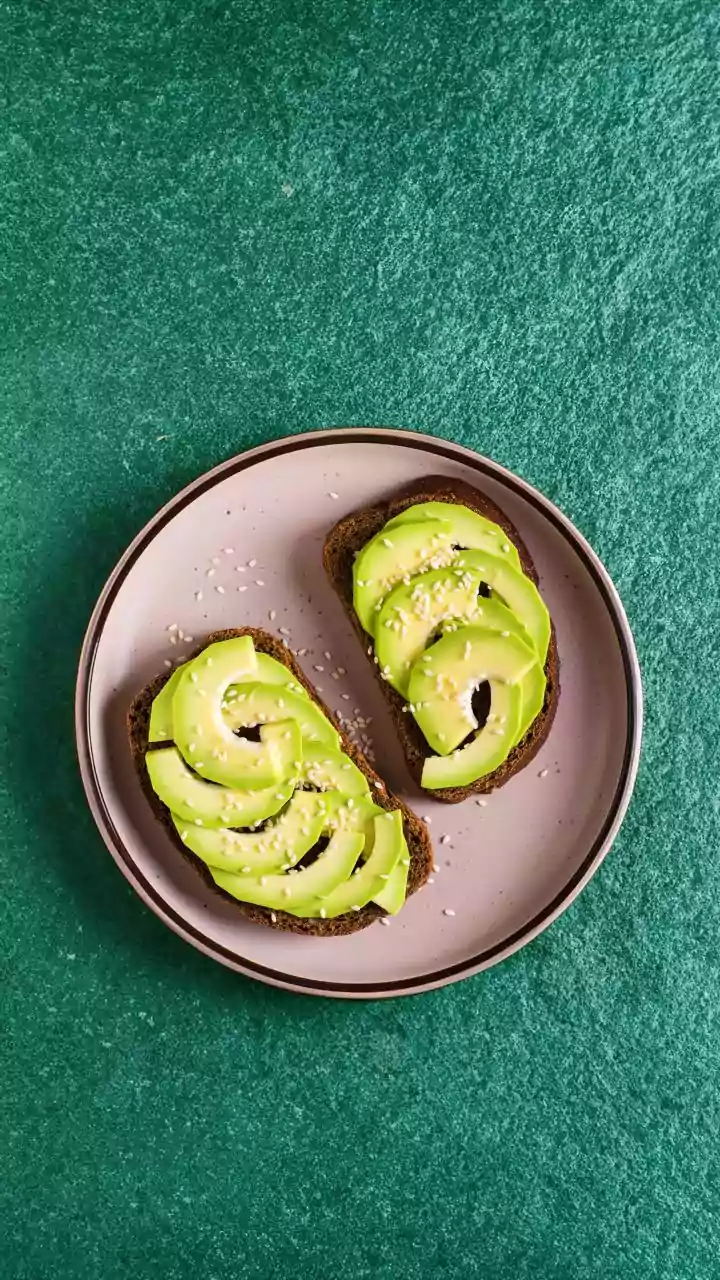
To understand the appeal, you have to look at its two components. Avocado toast was the undisputed culinary symbol of the millennial generation. It represented a shift towards healthier fats, brunch culture, and a certain aesthetic that was perfect for early Instagram. It was simple, photogenic, and became so ubiquitous it turned into a cultural cliché, often humorously blamed for millennials' financial woes. Papad, on the other hand, holds a different kind of cultural weight. It's a humble, everyday food in India, served alongside meals as a crunchy counterpart to soft rice and dal, or enjoyed as a standalone snack. It’s a food of comfort, tradition, and home. Bringing these two items together isn’t just a random act of fusion; it’s a conversation between two different culinary worlds and generations.
Why It’s a Gen Z Hit
While the headline calls it the 'ultimate' Gen Z snack, the reality is a bit more nuanced. It’s a strong contender because it ticks all the right boxes for this generation’s palate. Firstly, Gen Z is arguably the most culinarily adventurous generation yet. Growing up with the internet, they are exposed to global cuisines from a young age and are eager to experiment. The papad-avocado fusion is a perfect example of this 'glocal' (global + local) mindset. Secondly, it’s all about the texture. Social media trends, from ASMR eating videos to 'the perfect crunch' compilations on TikTok, show that texture is as important as taste. The sharp crackle of the papad is immensely satisfying. Finally, it’s a healthier, gluten-free alternative to bread, which aligns with the wellness-conscious values of many young people. It’s a snack that feels both indulgent and good for you.
The DIY and Social Media Factor
Perhaps the biggest driver of its popularity is its accessibility. This isn’t a complicated dish that requires hours of prep or a long list of expensive ingredients. It’s a quick, easy-to-assemble snack that anyone can make at home, which is prime territory for viral social media recipes. A quick search on Instagram or TikTok reveals countless variations, with home cooks and food influencers putting their own spin on the base recipe. This DIY nature empowers people to participate in the trend, rather than just consume it. It encourages creativity, whether it’s adding a fried egg, a drizzle of hot honey, or a unique spice blend. In the age of user-generated content, a recipe that is easy to replicate and customize is destined for success.