


The Rise of the Sleep Vacation
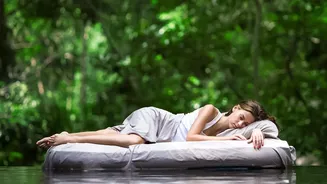
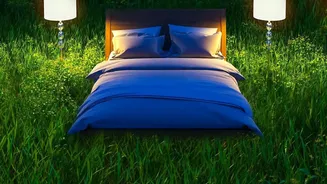
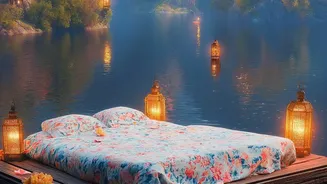
Welcome to the world of sleep tourism, a travel movement where the ultimate souvenir is a well-rested mind and body. Instead of jam-packed itineraries and late-night revelry, these trips prioritize genuine recovery. Think of it less as sightseeing and more
as “sleep-seeing.” This trend has emerged from a collective burnout; as modern life, with its constant screen time and relentless pace, continues to erode our natural sleep patterns, people are seeking intentional escapes to reset their internal clocks. The goal isn't just to catch up on missed hours but to relearn the art of sleeping well by immersing in environments specifically designed for tranquility and deep rest.
Why Your Body Clock Is Ticking
At the heart of this trend is the circadian rhythm, your body's 24-hour internal clock that regulates sleep-wake cycles. In our always-on world, this rhythm is easily disrupted. Exposure to blue light from phones, work stress, and irregular schedules can throw it completely off balance, leading to fatigue, irritability, and brain fog. Sleep tourism directly confronts this by removing these disruptive elements. By stepping away from the demands of daily life and into a peaceful setting, you give your nervous system a chance to downshift, reducing stress and allowing your body to recalibrate.
Decoding 'Silent Hill Station' Retreats
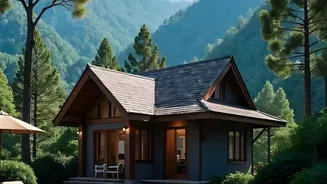
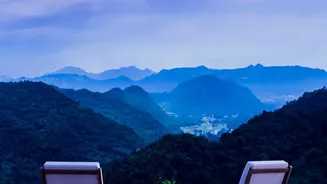
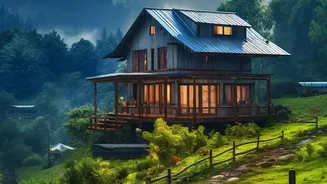
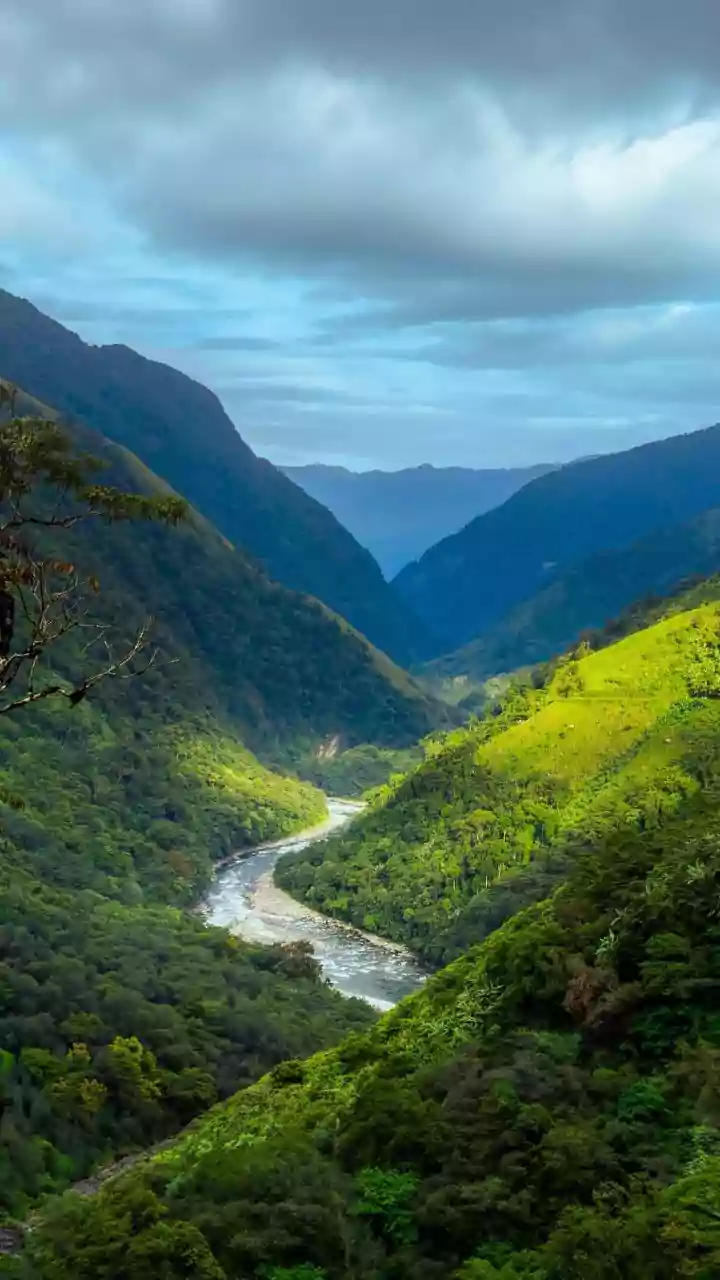
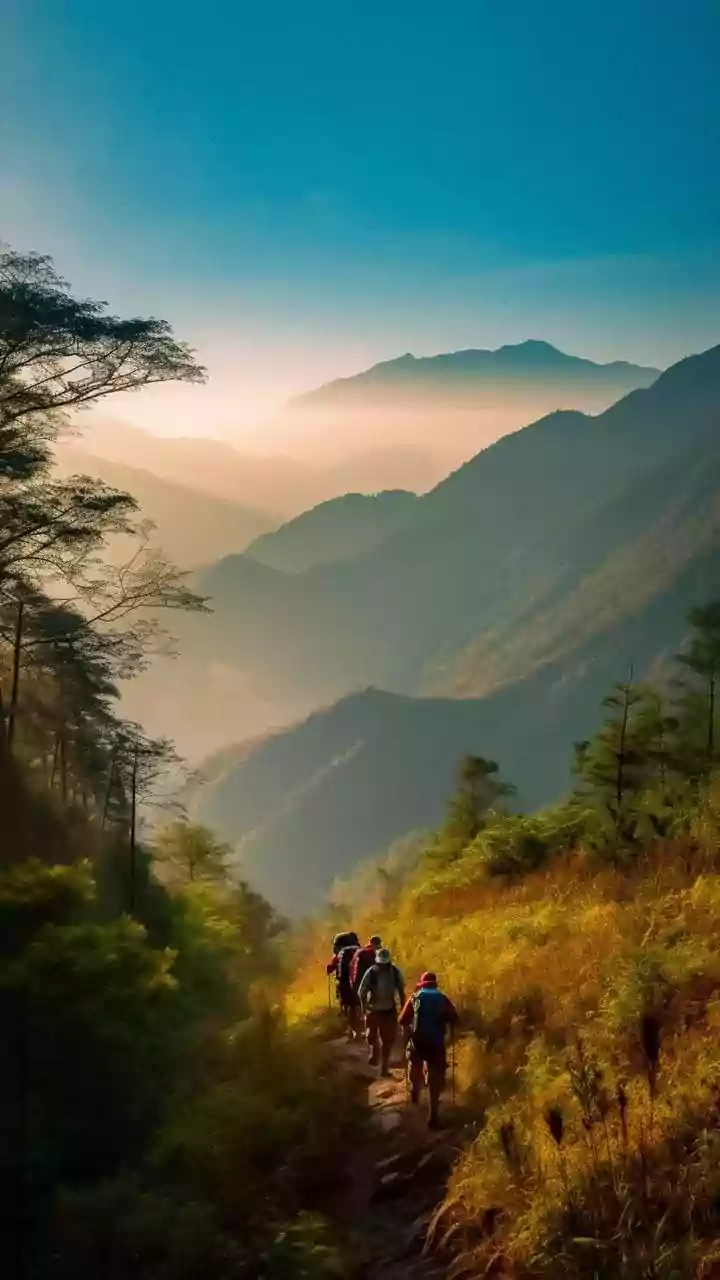
The phrase “hill station” might conjure images of colonial-era towns in Asia, which were high-altitude retreats from the summer heat. For modern purposes, think of them as mountain resorts or high-altitude getaways valued for their cool, clean air and natural beauty. The “silent” component is crucial. These are not horror-movie landscapes, but havens of quiet where the absence of urban noise allows for profound mental and physical relaxation. The combination of altitude, silence, and nature creates a powerful trifecta for promoting better sleep, helping to naturally increase melatonin and calm the mind.
What to Expect on a Sleep-Centric Escape
A sleep retreat is more than just a comfortable bed. These escapes are highly curated experiences. You might find rooms with blackout curtains, soundproofing, and even pillow menus. Days are often structured around activities that promote rest, such as guided meditations, gentle yoga, and breathing workshops. Digital detoxes are common, encouraging you to disconnect from devices and reconnect with your surroundings through nature walks or forest bathing. Some retreats offer consultations with sleep coaches or nutritionists to provide you with personalized tools and knowledge to take home.
Bring the Retreat Home With You
You don't need a plane ticket to start prioritizing sleep. Many of the principles from these retreats can be applied at home. Start by creating a dedicated wind-down routine an hour before bed, free from screens. Make your bedroom a sanctuary for sleep: keep it cool, dark, and quiet. Consider a “tech curfew” for the whole family, putting devices away to signal that it's time to rest. Even small changes, like taking a few minutes for deep breathing or a warm bath, can mimic the restorative effects of a getaway and help you cultivate better sleep habits in your everyday life.