





The Mighty Return of Millets
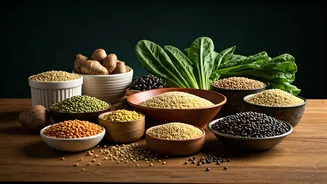
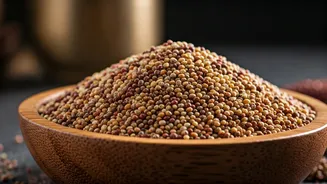
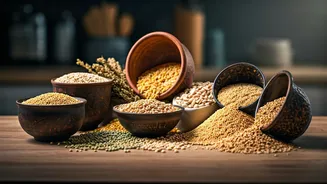
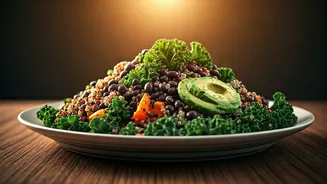
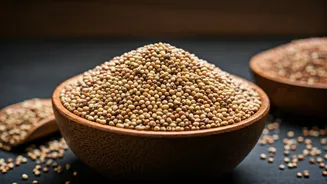
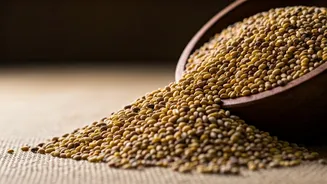
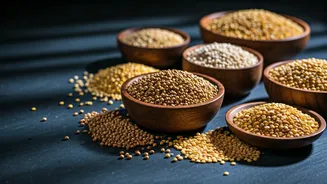
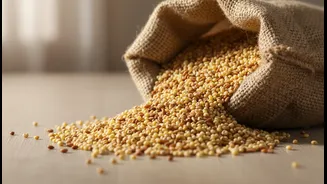
Once considered a humble grain, millets such as jowar, bajra, and ragi are now being celebrated as superfoods. Recent research highlights their impressive nutritional profile, which is rich in essential minerals like calcium, iron, and magnesium. A key
advantage is their low glycemic index, which means they release sugar into the bloodstream slowly. This quality makes them particularly beneficial for managing blood sugar levels and has been a focus of studies on diabetes prevention and control. Furthermore, millets are packed with dietary fibre, which supports digestive health and contributes to a feeling of fullness, aiding in weight management. Studies have also linked regular millet consumption to improved heart health markers, including reductions in cholesterol and blood pressure.
The Power of Pulses
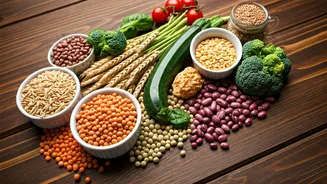
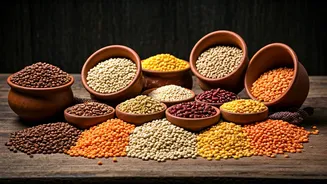
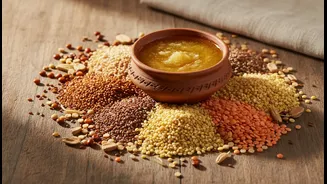
Dal is the cornerstone of countless Indian meals, and for good reason. Pulses like moong, masoor, chana, and urad dal are protein powerhouses, with some varieties like urad dal containing up to 25 grams of protein per 100 grams. This makes them essential in vegetarian and vegan diets. When combined with rice or roti, they provide a more complete protein profile. Beyond protein, dals are an excellent source of dietary fibre, complex carbohydrates, vitamins, and minerals including folate, iron, and magnesium. Scientific reviews note that the phytochemicals in pulses may have anti-inflammatory and antioxidant properties. Their high fibre content is also linked to better digestive health and can help in managing body weight.
Good Fats and Gut Health
For years, desi ghee was viewed with suspicion, but research is now rehabilitating its reputation. Ghee is a source of healthy fats, including omega-3s and Conjugated Linoleic Acid (CLA), which studies suggest may support heart health and help reduce body fat. As a fat-soluble vitamin source (A, E, and K), ghee can help the body absorb more nutrients from other foods. Simultaneously, the science of gut health is validating traditional fermented foods. Items like dahi (curd), idli, and dosa are rich in probiotics, the beneficial bacteria that support a healthy gut microbiome. Research shows that the fermentation process not only preserves food but also increases the bioavailability of nutrients, reduces anti-nutrients, and can even lower the glycemic index of the base ingredients.
Rethinking Your Daily Plate
This growing body of research doesn't suggest a radical diet overhaul. Instead, it offers a fresh perspective on the foods that are already an integral part of Indian culture. It’s an invitation to appreciate the nutritional sophistication that was present in traditional eating patterns long before modern science could measure it. The key takeaway is balance and variety. Rotating different types of dals, incorporating a range of millets alongside wheat and rice, and enjoying fermented foods and healthy fats in moderation can provide a strong foundation for long-term health. For instance, simply swapping refined white rice for millets a few times a week or ensuring a daily portion of dahi can make a meaningful difference. It's about making conscious choices, not drastic changes.