








Why Your Skin Acts Up in Monsoon
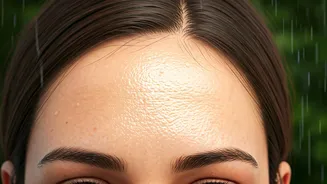
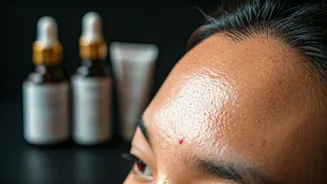
The secret to monsoon skincare is understanding the enemy: humidity. High humidity tells your skin's sebaceous glands to work overtime, producing more oil. This excess oil mixes with sweat and environmental grime, creating the perfect storm for clogged
pores, blackheads, and acne flare-ups. The warm, moist environment is also a breeding ground for bacteria and fungi, leading to common monsoon woes like fungal infections, folliculitis, and itchy rashes. Constant dampness can weaken the skin's natural protective barrier, making it more sensitive and reactive. This is why a simple change in season requires a strategic change in your skincare cabinet.
Swap Heavy Cleansers for Lighter Ones
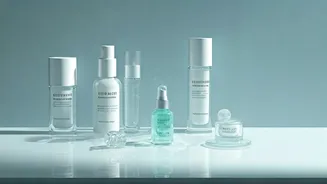
Product discipline starts with your face wash. That creamy, nourishing cleanser you loved in the winter might be too heavy for the humid months. This season, switch to a gentle, non-comedogenic (pore-clogging) foaming or gel-based cleanser. These formulations are better at cutting through the extra oil and grime without stripping your skin of its natural moisture. For those with oily or acne-prone skin, look for cleansers with salicylic acid. This beta-hydroxy acid (BHA) exfoliates inside the pores, helping to clear out congestion and prevent future breakouts. Cleansing twice a day is crucial to keep your face fresh and free of buildup.
Hydration Without the Heaviness
It's a common mistake to skip moisturiser when your skin feels oily or sticky. However, humidity is not the same as hydration. Your skin still needs moisture to maintain its barrier, and skipping it can actually cause your skin to produce even more oil to compensate. The key is to ditch thick, oil-based creams. Instead, embrace lightweight, oil-free, gel-based moisturizers. Look for superstar hydrating ingredients like hyaluronic acid, which holds water in the skin without feeling greasy, and glycerin. Niacinamide is another fantastic ingredient for monsoon, as it helps regulate oil production, improve skin texture, and minimise the appearance of pores.
Don't Let the Clouds Fool You
Perhaps the most overlooked rule of monsoon skincare is to continue using sunscreen. Many people believe the cloud cover offers enough protection, but this is a myth. Up to 80% of the sun's harmful UV rays can penetrate through clouds, causing tanning, premature ageing, and long-term skin damage. In fact, wet surfaces like roads and puddles can reflect UV rays, increasing your exposure. For the rainy season, choose a broad-spectrum sunscreen with an SPF of 30 or higher. Opt for a lightweight, non-greasy, or gel-based formula that won't feel sticky or clog your pores in the humidity. A water-resistant formula is an added bonus.
Targeted Solutions for Common Issues
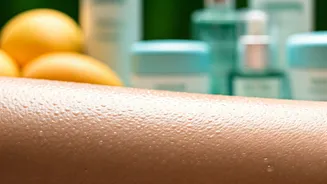
Beyond the basics, product discipline means addressing specific concerns with targeted treatments. If you're dealing with breakouts, a spot treatment or a serum with salicylic acid can be effective. For overall oil control and skin brightening, a niacinamide serum is a great addition. To combat the dullness that can come with the gloomy weather, consider a gentle chemical exfoliant with AHAs (like glycolic or lactic acid) once or twice a week to slough off dead skin cells. And don't forget your body—fungal infections thrive in damp areas like skin folds. Using an antifungal powder can help keep these areas dry and prevent infections.