




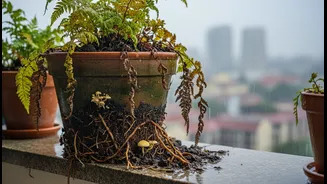


The Dangers of Stagnant Air
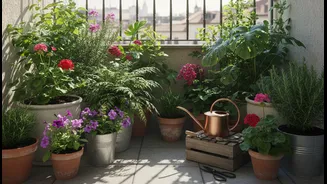
On a balcony, especially one that's sheltered, air doesn't move the same way it does in an open garden. This stagnant air traps moisture in the soil and around the leaves long after you've watered. When soil stays soggy, roots can't breathe. This creates
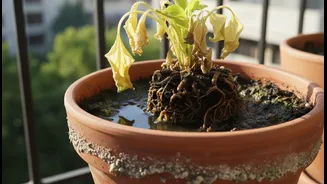
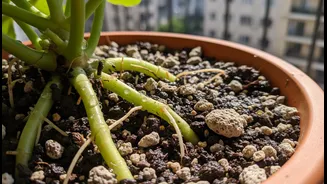
an oxygen-poor environment that is the perfect breeding ground for fungal diseases and root rot. Root rot is one of the most common reasons container plants fail, causing roots to turn brown and mushy, which prevents the plant from absorbing any water or nutrients at all. Ironically, a plant suffering from root rot often looks wilted and thirsty, which can trick you into watering it even more, accelerating its decline.
Why Good Airflow Is Your Best Friend
Good air circulation is a plant's invisible ally. A gentle breeze does more than just feel pleasant; it's a critical component of a healthy plant ecosystem. Proper airflow helps moisture evaporate from the soil surface and the plant's leaves, which is the number one defense against fungal infections like powdery mildew. It also helps to strengthen plant stems as they gently move in the breeze. Furthermore, good air circulation facilitates the essential exchange of gases, ensuring your plants get the carbon dioxide they need for photosynthesis while helping to disperse pests that might otherwise settle in. In short, airflow creates a less hospitable environment for diseases and a more robust growing environment for your plants.
Spotting the Signs of Poor Circulation
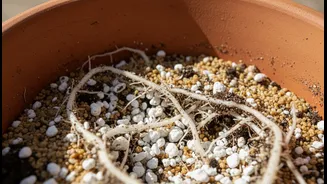
How can you tell if your balcony garden is suffering from stagnant air? There are several tell-tale signs. You might notice that the soil in your pots stays damp for days after watering. Other symptoms include the appearance of mould or fungus on the soil surface, which can look like a fuzzy white or yellow coating. Your plants' leaves may turn yellow, develop brown spots, or feel soft and droopy. Stunted growth is another major indicator, as oxygen-starved roots can't support new development. You might also face a persistent problem with pests like fungus gnats, which are attracted to constantly moist soil.
Simple Ways to Improve Airflow
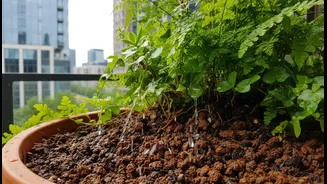
Improving circulation on your balcony doesn't require expensive equipment. The easiest step is to give your plants some personal space. Avoid overcrowding your containers, as tightly packed plants trap humidity. Ensure you're using pots that are the right size for the plant and have plenty of drainage holes. You can also elevate your pots using 'pot feet' or small risers to allow air to circulate underneath, which dramatically improves drainage and prevents water from pooling. Strategic pruning can also make a big difference; thinning out dense foliage or removing lower branches allows air to move more freely through the plant's structure.
Getting Water Right
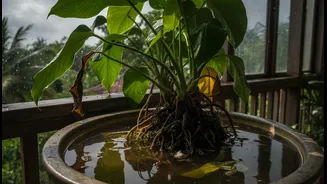
Once you've optimized for airflow, you can focus on a smarter watering routine. Always check the soil before you water. A good rule of thumb is the 'finger test': stick your finger about two inches into the soil. If it feels dry at that depth, it's time to water. If it's still moist, wait another day. When you do water, do it thoroughly. Pour water slowly at the base of the plant until you see it run out of the drainage holes. This ensures the entire root ball is hydrated and helps flush out excess salts. Then, be sure to empty any saucers or trays so the pot isn't left sitting in stagnant water. The goal is deep, infrequent watering, not shallow, frequent sips.