




What Exactly Is Astro Tourism?
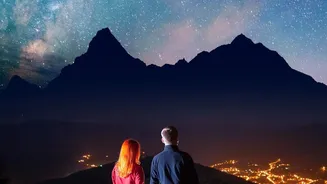
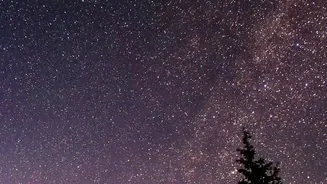
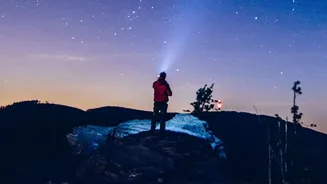
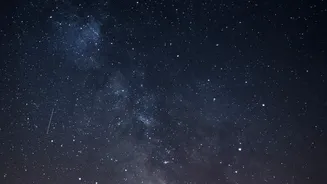
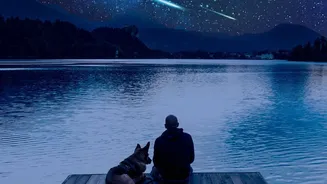
Astro tourism, at its heart, is travel for the purpose of stargazing. It’s about intentionally seeking out locations far from the light pollution of urban centres to experience a truly dark night sky. But it's more than just a trip; it's an experience that
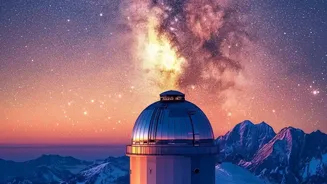
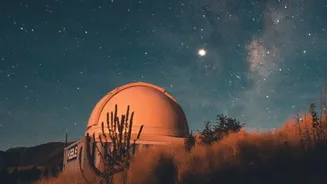
blends science, nature, and a sense of wonder. This form of travel often involves visiting observatories, joining guided astronomy sessions, or simply finding a remote spot to witness the Milky Way in its full, unobscured glory. It represents a shift from a typical vacation to a more meaningful journey, where the destination is not just a place on a map, but a window into the vast universe above.
The Growing Allure of the Night Sky
So why the sudden, starry-eyed rush? For one, as our cities grow brighter, our skies grow dimmer. An estimated 80% of people in North America can no longer see the Milky Way from their homes, a figure that resonates in India's own sprawling urban areas. This has created a deep-seated craving for the natural darkness our ancestors took for granted. Astro tourism offers a powerful antidote to our screen-saturated lives, providing a chance to disconnect and feel a profound sense of awe. Travellers are increasingly seeking unique, knowledge-based experiences over conventional sightseeing, and gazing at celestial wonders millions of light-years away certainly fits the bill.
India’s Premier Celestial Sanctuaries
India, with its diverse geography of high-altitude deserts, vast salt flats, and remote mountain ranges, is a treasure trove for stargazers. The crown jewel is Hanle in Ladakh, home to India's first official Dark Sky Reserve. At an altitude of 4,500 metres, its pristine, dry air offers over 300 clear nights a year, making the Milky Way appear as a brilliant, textured river of light. Another Himalayan gem is Spiti Valley, a cold desert where villages like Kaza and Kibber turn into natural observatories after sunset. Down south, the hills of Coorg in Karnataka provide clear views away from city lights, with local groups offering guided telescope sessions amidst coffee plantations. Even the deserts of Rajasthan, particularly near Jaisalmer and the Rann of Kutch in Gujarat, offer dramatic, wide-open skies perfect for an unforgettable night under the stars.
More Than Just Looking Through a Telescope
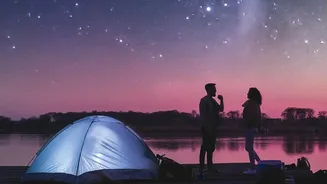
The astro tourism experience often goes beyond the cosmos. The journey to these remote locations is an adventure in itself, taking you through breathtaking landscapes and into regions with rich local cultures. In Hanle, for instance, the initiative is a science-driven project for sustainable development, training local villagers as astronomy guides to boost the local economy. Many astro tours combine stargazing with cultural programmes, desert camping, and local cuisine, offering a holistic travel experience. It's also a booming hobby for photographers, with many travellers learning the art of astrophotography to capture mesmerising images of star trails and galaxies. It's a unique intersection of science, culture, and personal discovery.
Planning Your Cosmic Journey
Ready to chase the stars? A little planning goes a long way. The best time for stargazing in most parts of India is during the drier, clearer months, typically from October to March. While you don't necessarily need your own telescope, as many prime locations have observatories or guided tours, a good pair of binoculars can significantly enhance your viewing. Dress in warm layers, as even desert nights can get surprisingly cold. Most importantly, give your eyes time to adjust to the darkness — it takes about 20-30 minutes for them to become fully sensitive to the faint light of distant stars and galaxies. And for the best experience, visit during a new moon, when the sky is at its absolute darkest.