

A Celestial Alignment Beckons
While Saturn is always a stunning sight, August 2026 holds extra appeal for sky-watchers. The planet is becoming increasingly prominent in our night sky as it heads towards its opposition on October 4. Opposition is when Earth passes directly between
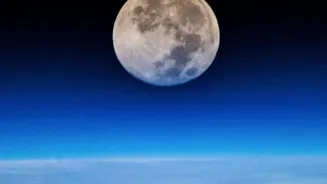
Saturn and the sun, making it appear at its largest and brightest for the year. In August, Saturn rises in the mid-evening and remains visible for most of the night, offering ample viewing time. It's an easy target for the naked eye, appearing as a bright, steady, yellowish point of light. Adding to the spectacle, several planets will be visible in the pre-dawn sky around August 12, including Saturn, Mars, Mercury, and Jupiter. At the end of the month, on August 30-31, the Moon will pass close to Saturn, creating a beautiful pairing in the night sky.
The Unmistakable Allure of the Rings
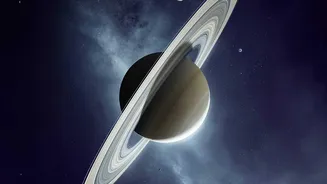
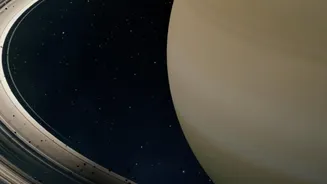
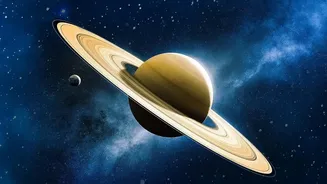
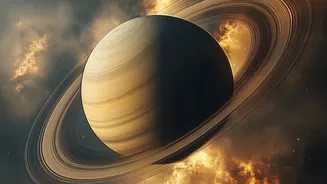
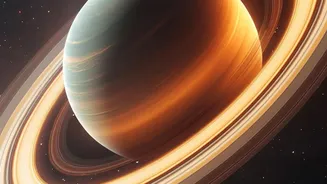
The primary reason for Saturn’s star power is, of course, its breathtaking system of rings. Composed of countless particles of ice and rock, these rings make Saturn one of the most rewarding objects to view through a telescope. You don’t need professional equipment to be amazed; even a small telescope with 25x magnification will reveal the rings as a distinct structure. A modest amateur telescope will clearly show them separated from the planet itself. For those with more powerful scopes, the real magic begins. You can start to spot details like the Cassini Division—a dark gap separating the main A and B rings—which is a classic test of a good telescope and clear skies. The planet's tilt gives the rings a striking three-dimensional appearance, a view that has captivated astronomers since Galileo first sketched it in 1610.
Beyond the Rings: A World of Detail
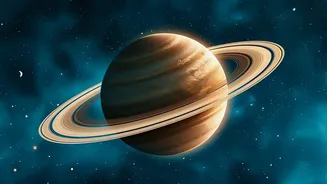
For the more experienced stargazer, Saturn offers challenges beyond just admiring the rings. The planet's atmosphere itself is a dynamic place. Though more subtle than Jupiter's, you can observe faint bands of clouds—dark belts and lighter zones—circling the planet. These are created by incredibly fast winds that can reach up to 1,800 km/h. Saturn also boasts at least 146 moons, and several are visible with amateur telescopes. The largest, Titan, is easily spotted and is the second-largest moon in the entire solar system. With a medium-sized telescope, you might also be able to identify other moons like Rhea, Dione, and Tethys as tiny points of light orbiting their giant parent.
How to Find and Observe Saturn
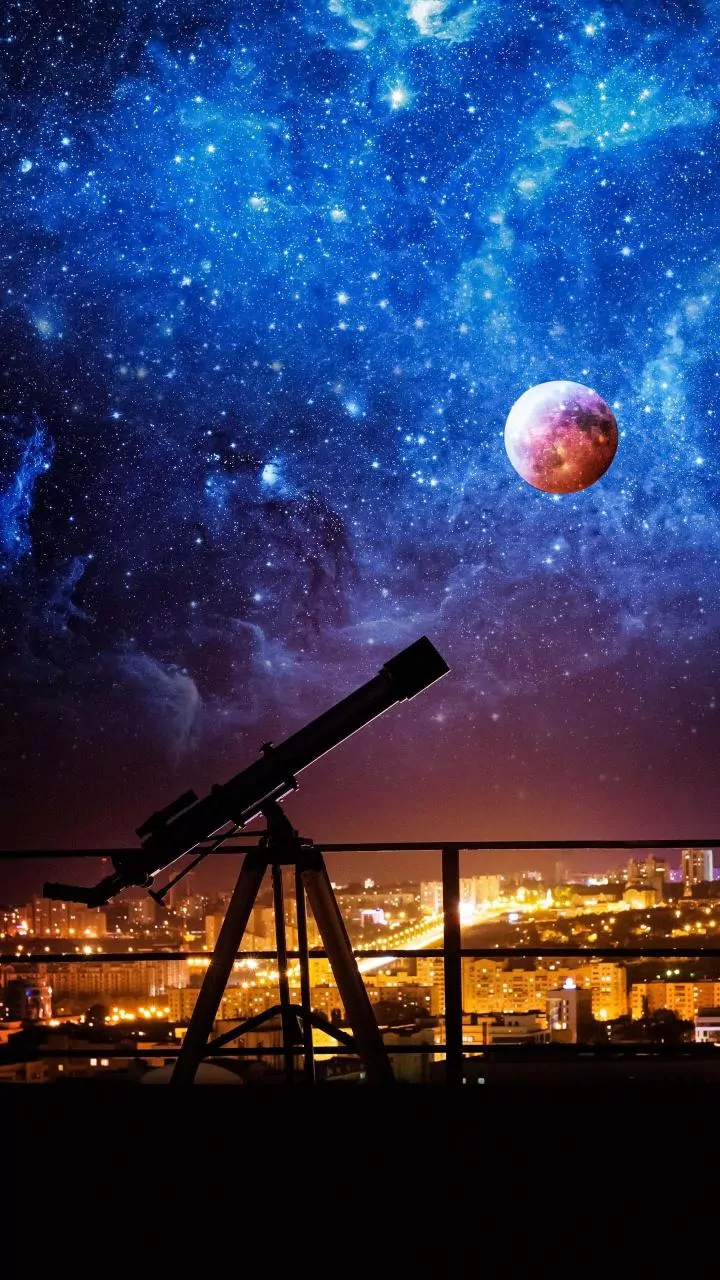
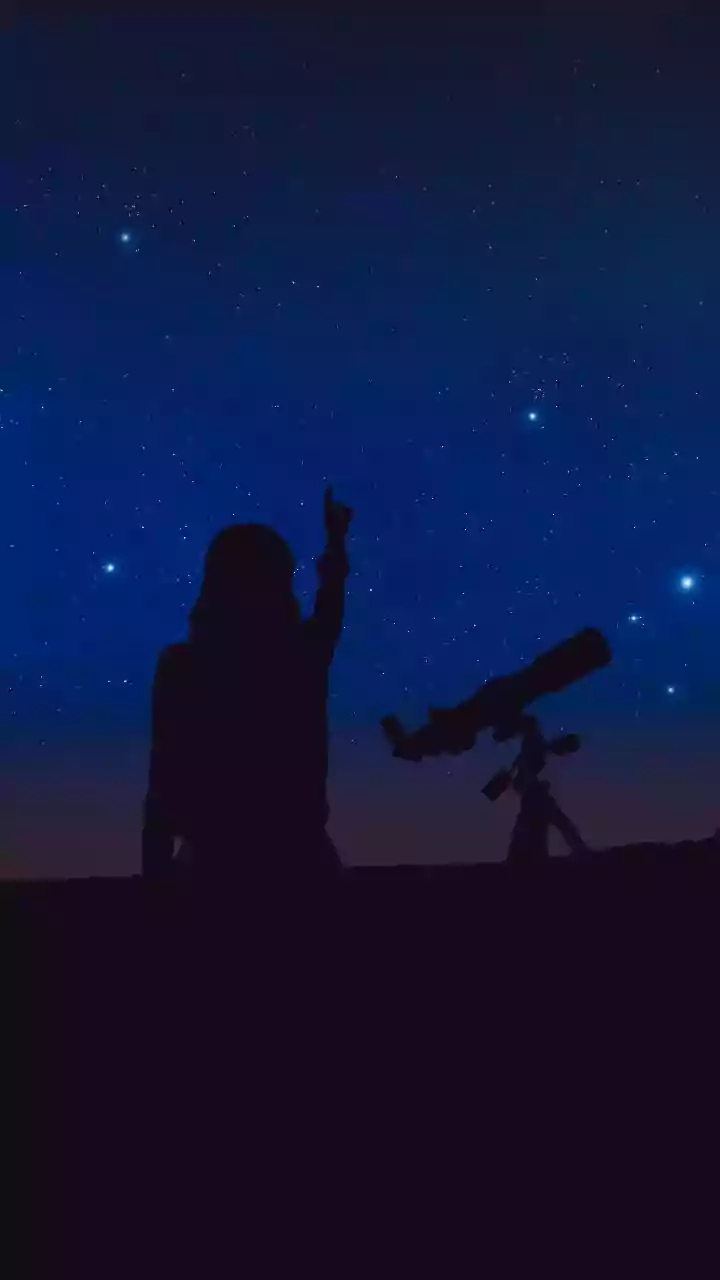
Finding Saturn this August is straightforward. As darkness falls, look towards the eastern sky where it will rise, travelling across the sky throughout the night. It will be located in the constellation Cetus. To the naked eye, it will appear as a bright, star-like object that doesn't twinkle, which is a key way to distinguish planets from distant stars. While you can enjoy it without any aid, binoculars will solidify its shape, showing it not as a point but as a tiny disc, and might even hint at its famous 'ears'—an illusion created by the rings. To truly appreciate its beauty, a telescope is recommended. Even an entry-level instrument can provide a view that will stay with you forever. For the best experience, try to get away from city lights to a darker location, like those found in parts of Ladakh, Rajasthan, or the Western Ghats.