

The Richness of the North
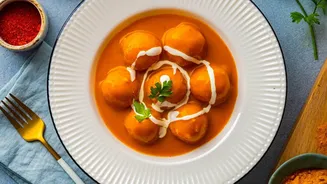
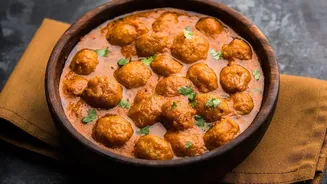
When you think of a classic kofta curry, chances are you're picturing a North Indian preparation like Malai Kofta. The defining characteristic of these gravies is their incredible richness and creamy texture. The foundation is almost always a slow-cooked
base of sautéed onions, ginger, garlic, and pureed tomatoes. This 'masala' is then elevated with ingredients that create a velvety, luxurious mouthfeel. Pastes made from cashews or almonds are frequently used to thicken the gravy and lend a subtle sweetness. Dairy is also a non-negotiable hero here; generous amounts of cream (malai), yogurt (dahi), or even khoya (milk solids) are stirred in to create a sauce that is smooth, opulent, and clings beautifully to the soft koftas. This style is heavily influenced by Mughlai cuisine, which was known for its lavish, royal dishes prepared with expensive ingredients like nuts and saffron.
The Spice and Scent Profile
While rich, North Indian kofta gravies are not typically fiery hot. Instead, they focus on a deep, aromatic warmth. The spice blend often revolves around a well-balanced garam masala, which includes warming spices like cinnamon, cardamom, cloves, and cumin. Another signature flavour is kasuri methi (dried fenugreek leaves), which are often crushed and added towards the end of cooking to impart a unique, savoury aroma that cuts through the richness of the cream and tomatoes. The overall goal is a harmonious blend of flavours—slightly sweet from the tomatoes and nuts, tangy from the yogurt, and deeply aromatic from the whole and ground spices, resulting in a complex but comforting dish. This contrasts with the sharper, more immediate heat you might find in other regions.
The Eastern Contrast: Bengal’s Subtle Touch
Travel east to Bengal, and the kofta story changes dramatically. A classic example is Chanar Dalna, made with koftas of fresh chhena (a form of cottage cheese). The gravy here is noticeably lighter and more delicate. It typically shies away from heavy cream and nut pastes. Instead, the base is a simpler concoction of ginger paste, tomatoes, and sometimes yogurt. Some preparations might use a touch of coconut milk, but the consistency remains closer to a flavourful curry than a thick, creamy sauce. The spicing is also distinct, with a focus on cumin, coriander, and turmeric, and sometimes tempered with whole spices like bay leaves, cinnamon, and cloves. The result is a dish where the mild, milky flavour of the chhena kofta is complemented rather than enveloped by the gravy.
The Southern Take: Tang and Coconut
Head south, and the gravy fundamentals shift once again. In states like Tamil Nadu and Kerala, koftas are often made from local produce like raw bananas (vazhakkai) or yams. The most significant difference in the gravy is the liberal use of coconut. Instead of dairy or nuts, Southern gravies are often built on a base of ground coconut paste or coconut milk, which provides both thickness and a characteristic sweet, nutty flavour. Another key differentiator is the element of sourness, often introduced through tamarind, which gives the gravy a tangy profile completely different from the North. The tempering (tadka) is also unique, frequently featuring mustard seeds, curry leaves, and dried red chillies, which impart a sharp, fragrant aroma that is quintessentially South Indian.
Western India's Rustic Approach
In Western states like Maharashtra, gravies often reflect a more rustic, home-style character. The base, known as 'vatan', is a flavourful paste that can be made with roasted onion, dry or fresh coconut, and a blend of spices. Peanuts are also a common ingredient, either in the vatan or used to thicken the curry, adding a nutty depth. While they can be rich, Maharashtrian gravies don't typically rely on the heavy cream found in Punjabi dishes. Instead, the richness comes from slow-roasting the base ingredients. The spice blends, like Goda Masala or Kala Masala, include unique regional spices and lend a darker, earthier flavour to the preparations. This results in a robust gravy that is hearty and distinct from the other regions.