




A National Shift in Sips
For generations, India has run on hot, milky, and often sweet chai. It’s a ritual, a comfort, and a cornerstone of daily life. But a quiet revolution is brewing. An increasing number of consumers, particularly in urban centres, are looking for beverages
that do more than just quench thirst or provide a caffeine hit. They are seeking out drinks that align with a healthier, more mindful lifestyle. This has sparked a surge in demand for artisanal and functional beverages, with the ready-to-drink tea segment seeing remarkable growth of 109% year-on-year. This isn’t about replacing chai, but rather expanding the national palate to include new tastes and formats that fit modern life. Consumers are becoming more adventurous, exploring everything from kombucha to fruit-infused teas, signalling a move towards globally inspired flavours and wellness-led consumption.
The Low-Sugar Revolution
A major driver of this shift is the growing public awareness around sugar. As concerns about lifestyle diseases like diabetes and obesity become more prominent, many are actively seeking to reduce their sugar intake. This has created a booming market for low-sugar and zero-sugar alternatives that don't compromise on taste. The market is flooded with everything from no-sugar sodas to sparkling botanical waters. Functional beverages that offer benefits like improved gut health or immunity are also becoming a baseline expectation. Consumers are reading labels more carefully and are drawn to products positioned as 'natural' or 'light'. It is within this health-conscious landscape that cold brew tea, particularly when made with the right leaf, has found its perfect moment.
Enter Nilgiri: The Perfect Cold Brew Canvas
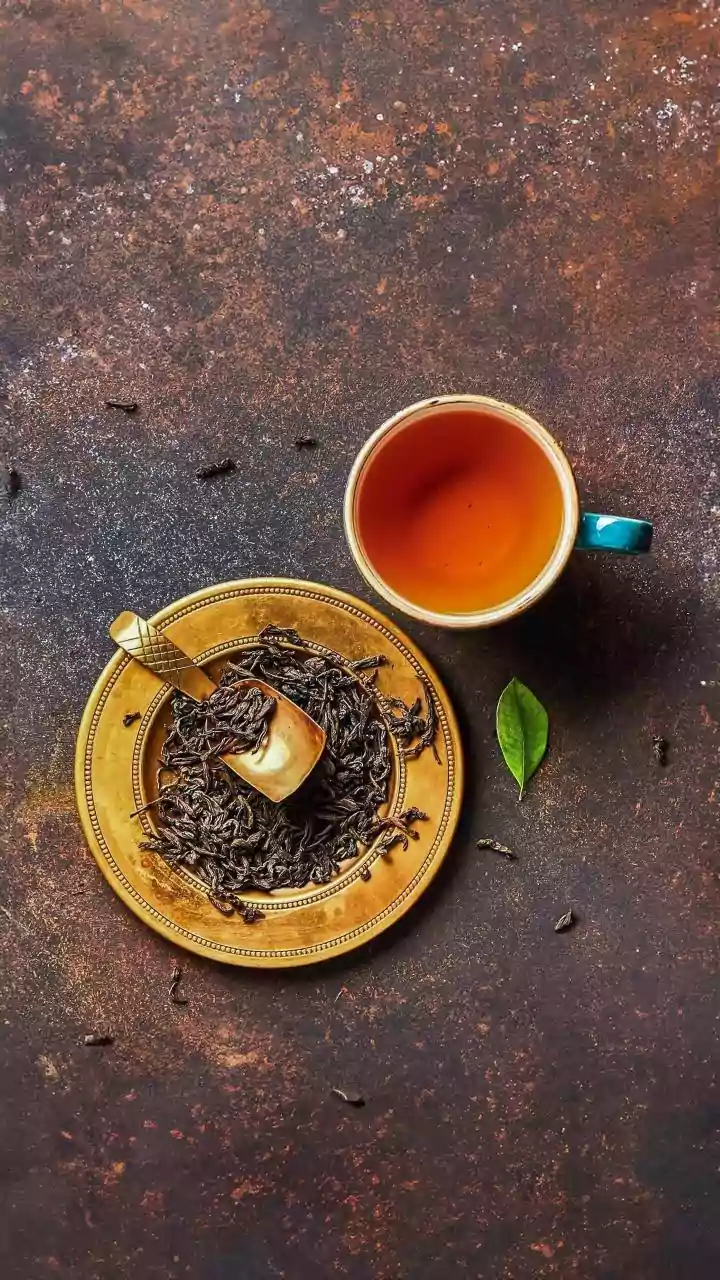
While Assam tea has its robust maltiness and Darjeeling its delicate muscatel notes, the hero of the cold brew story is often Nilgiri tea. Grown in the Blue Mountains of Southern India, this tea is uniquely suited for a slow, cold steep. The key is its naturally low level of tannins, the compounds responsible for the bitter or astringent taste that can develop when black tea is brewed, especially when it cools down. This low tannin content means that even after steeping for hours in the refrigerator, Nilgiri tea yields a liquid that is exceptionally smooth, aromatic, and refreshingly clean on the palate. It possesses a natural sweetness with bright, floral, and subtly fruity notes that are often masked by hot water but shine in a cold brew.
The Art and Science of Cold Brewing
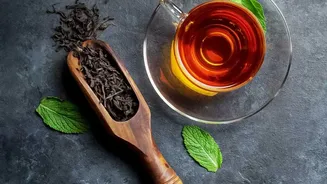
The magic of cold brewing lies in its patience. Instead of using heat for a rapid extraction, this method involves steeping tea leaves in cold water for an extended period, typically between 8 to 12 hours in the fridge. This gentle process fundamentally alters the drink's chemical profile. It extracts significantly less caffeine—sometimes up to half as much as a hot brew—and fewer tannins, which eliminates bitterness. The result is a drink that is smoother, less acidic, and naturally sweeter. This inherent sweetness is the game-changer, allowing the complex, delicate flavours of the Nilgiri leaf to come forward without any need for added sugar or honey. It’s a pure expression of the tea itself, delivering artisanal quality in its cleanest form.
From Niche Leaf to Mainstream Beverage
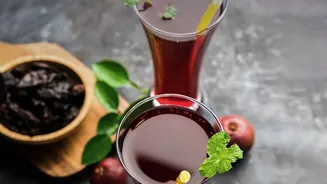
Once considered a 'blender's dream' for its balanced profile, Nilgiri tea is now being championed by a new wave of Indian artisanal beverage brands. They are harnessing its ideal cold brew characteristics to create sophisticated ready-to-drink options for the modern consumer. Because Nilgiri cold brew provides such a smooth base, it is the perfect foundation for creative, all-natural flavour infusions. Brands are experimenting by adding subtle notes of citrus, mint, or peach, creating complex refreshments that feel like a craft product, not a mass-market soda. These products meet multiple consumer demands at once: they are convenient, low in sugar, made from high-quality Indian ingredients, and offer a genuinely new and refined taste experience.