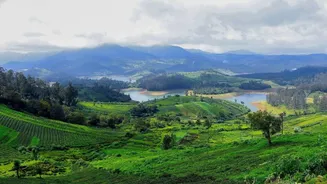







A Celestial Treasure Near the Western Ghats
Nestled in the Tiruppur district of Tamil Nadu, Udumalaipettai serves as a gateway to the rich biodiversity of the Anamalai Tiger Reserve (ATR). While the reserve is famous for its elephants, tigers, and vibrant birdlife, its latest attraction is entirely
celestial. The region's minimal light pollution presents a rare opportunity in modern India: a crystal-clear window into the cosmos. Recognizing this unique asset, local authorities and conservationists are developing a new tourism model centred on astrotourism. This initiative aims to attract a different kind of visitor—one who travels not just for what is on the ground, but for the breathtaking spectacle above.
The Value of a Truly Dark Sky
Light pollution is a growing environmental concern that not only affects our ability to see stars but also disrupts nocturnal ecosystems. Areas with naturally dark skies are becoming valuable and scarce resources. The skies over parts of the Anamalai Tiger Reserve are so dark that they offer spectacular views of the Milky Way, distant planets, and meteor showers with little to no aid. This makes it an ideal location for stargazing, amateur astronomy, and astrophotography. The initiative mirrors successful projects in other parts of India, like Ladakh and Kolli Hills, where dark sky parks have been established to promote both science and sustainable tourism. By preserving darkness, the region can protect its wildlife while creating a new economic pillar.
More Than Just Looking Up
The plan for Udumal’s astrotourism goes beyond simply setting up telescopes. The vision is to create a holistic experience that is both educational and immersive. Proposed activities include guided night-sky observation sessions where experts explain constellations and celestial events. There is also significant potential for night-sky photography workshops, catering to a growing community of enthusiasts eager to capture the beauty of the cosmos. These experiences could be woven into the existing eco-tourism framework of the tiger reserve, which already offers trekking and wildlife safaris. By combining daytime nature exploration with nighttime stargazing, visitors get a complete 24-hour nature experience.
Community, Conservation, and the Cosmos
A key aspect of this new tourism model is its focus on community involvement and sustainable growth. The goal is to ensure that the economic benefits flow directly to the local, often tribal, communities living on the fringes of the reserve. Similar to the 'Astrostays' model pioneered in the Himalayas, this approach involves training local youth as astronomy guides and hosts. This not only creates sustainable livelihoods but also empowers communities to become guardians of their natural heritage, including the dark skies. Revenue generated can be reinvested into local infrastructure and conservation efforts, creating a virtuous cycle where tourism directly supports the protection of the environment it depends on. This model ensures that the tourism is not extractive but rather regenerative, fostering a deeper connection between the people, the land, and the stars.
A Blueprint for the Future
Udumal's move into astrotourism is part of a broader, global trend towards more meaningful and sustainable travel. Post-pandemic, travelers are increasingly seeking out less crowded, nature-based experiences that offer a genuine connection to the environment. Astrotourism fits this niche perfectly. It encourages overnight stays, which boosts the local economy, and can be promoted year-round, reducing the seasonal pressures of conventional tourism. As a low-impact activity, it aligns perfectly with the conservation ethics of a tiger reserve. The success of this initiative could serve as a blueprint for other regions in India that possess the natural asset of dark skies, demonstrating how environmental preservation and economic development can go hand in hand.