






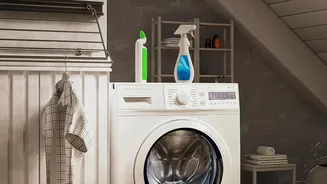
The Hidden Moisture in Your Laundry
It may not seem like much, but a single load of wet washing can release a surprising amount of water into your home's atmosphere. Studies show that one standard load of laundry, when dried on an indoor rack, can release approximately two litres of water into the
air. If your family does several loads a week, that’s a significant amount of moisture being added to your indoor environment. During the already humid monsoon season, this extra water vapour has nowhere to go, drastically increasing the humidity levels inside your home and creating an environment far damper than you might realise.
Why Dampness is a Health Hazard
So, what's the problem with a bit of extra humidity? When indoor humidity levels consistently stay above 60%, it creates the perfect breeding ground for mould and dust mites. The World Health Organization (WHO) has highlighted the health risks associated with damp and mouldy environments, linking them to an increased risk of respiratory problems, allergies, and asthma. Inhaling mould spores can trigger allergic reactions like sneezing, a runny nose, red eyes, and skin rashes. For individuals with existing asthma, it can lead to more frequent and severe attacks. That musty smell from clothes that take too long to dry is a sign of bacteria multiplying, which further contributes to poor indoor air quality.
Recognising the Signs of Excess Humidity
Your body and home will often give you clues that the air is too damp. The most obvious sign is condensation forming on the inside of windows, especially in the morning. You might also notice a persistent musty odour that clings to fabrics and lingers in rooms, even after cleaning. Dark spots of mould, often black or green, may appear on ceilings, in the corners of rooms, behind furniture, or around window frames. In more advanced cases, you might even see paint blistering or wallpaper beginning to peel away from the walls. Paying attention to these signs can help you take action before the problem becomes more serious.
Smart Strategies for Indoor Drying
Drying clothes indoors doesn't have to be a health risk if you manage it correctly. The key is to promote airflow and remove excess moisture. First, give your clothes an extra spin cycle in the washing machine to remove as much water as possible before hanging them. When placing clothes on a drying rack, space them out. Don’t overload the rack, as this traps moisture and slows down drying time. Using individual hangers for shirts and tops can also improve air circulation. Position the rack in a well-ventilated area, away from walls. Turning on a fan, whether a ceiling fan or a portable one, can make a huge difference by keeping air moving around the clothes.
Choosing the Right Space and Tools
Where you place your drying rack matters. Avoid drying clothes in bedrooms or main living areas, as these are spaces where you spend the most time. If possible, use a bathroom with an exhaust fan or a laundry room. Always run the exhaust fan to pull the moist air out of the room. Cracking a window open, even slightly, can also help humidity escape. For those who live in very humid climates or frequently dry laundry indoors, investing in a dehumidifier is an excellent solution. A dehumidifier actively pulls moisture from the air, which not only helps clothes dry faster but also prevents the conditions that allow mould to grow. Some people also find success placing bowls of unrefined salt in the room, which naturally absorbs some moisture from the air.