








The Daily Reality of Inaccessible Travel
Flying with a disability in India is often an exercise in anxiety. From the moment of booking, passengers face a gauntlet of potential failures. Stories abound of pre-booked wheelchairs that never materialise, leaving elderly or mobility-impaired individuals
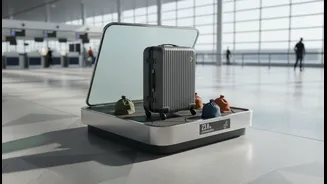
stranded. In some harrowing cases, passengers have been forced to crawl or have been dropped, resulting in serious injury. The very equipment that provides independence, such as custom wheelchairs, is frequently damaged or lost in transit, with thousands of such incidents reported annually. This isn't just an inconvenience; it is a fundamental denial of a person's freedom of movement and dignity. Regulations like the Directorate General of Civil Aviation's (DGCA) Civil Aviation Requirements (CAR) exist, but their implementation is inconsistent, leaving passengers to navigate a fractured system where accountability is scarce.
Why 'Lower Expectations' Is a Failure of Imagination
To suggest that passengers with disabilities should simply lower their expectations is to accept a two-tiered system of travel: one for the able-bodied and a lesser one for everyone else. This perspective is not only discriminatory but also violates the spirit of the Rights of Persons with Disabilities Act, 2016. Accessible travel is not a luxury; it is a right. The issue is not that disabled passengers are asking for too much, but that the aviation ecosystem is failing to provide the bare minimum. The DGCA has amended rules to prevent airlines from denying boarding based on disability alone without a doctor's opinion, a step forward after high-profile incidents. However, this reactive approach doesn't fix the core problem. A system that relies on passengers fighting for basic accommodations is a system that is fundamentally broken.
The Coordination Gap: Where the System Breaks Down
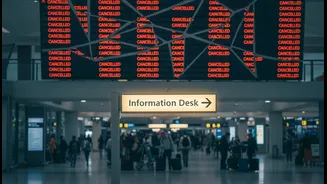
The root of the problem lies in a severe coordination gap. Information provided at the time of booking often fails to reach the ground staff at the departure and arrival airports. There's a disconnect between the airline, the airport operator, security personnel (like the CISF), and third-party assistance providers. Each entity often works in a silo. A passenger might confirm their needs with the airline, only to find no one is prepared to assist them upon arrival. This breakdown isn't just about wheelchairs. It extends to assistance for passengers with hearing, visual, or cognitive disabilities who need clear communication and guidance. While airports may have accessible infrastructure like ramps and designated areas, these are ineffective if the human and logistical elements are not seamlessly integrated.
A Blueprint for Dignified Travel
Fixing accessible air travel requires a shift from fragmented responsibilities to integrated coordination. First, there must be a unified system for tracking assistance requests from booking to destination, visible to all relevant parties—airline, airport, and ground handlers. Technology can play a major role here, with digital tools and AI-powered systems ensuring information flows seamlessly. Second, staff training must be comprehensive and continuous, moving beyond a checklist to instil genuine understanding and empathy. This training should be standardised across the industry and developed in consultation with disability advocacy groups. Finally, there must be clear accountability. When a passenger's wheelchair is damaged or assistance fails, there should be a straightforward process for redressal and compensation, with penalties that serve as a real deterrent, not just a cost of doing business.