






Securing Seamless Connectivity
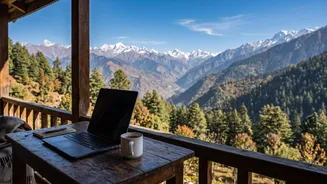
The most romanticised workation setups—a laptop by the beach, a conference call from a forest homestay—share a single point of failure: unreliable internet. In today's work environment, stable connectivity is non-negotiable. Dropping off an important
client call is not an option, which makes internet access the first and most critical planning pillar. Before booking, go beyond the host’s assurance of “fast Wi-Fi.” Ask for a recent speed test screenshot, paying attention to both download and upload speeds; a minimum of 20-50 Mbps is a safe bet for smooth video calls. Reading recent reviews from other remote workers can also provide real-world insights. However, never rely on a single source. A crucial backup is a personal mobile hotspot. For workations within India, having both Jio and Airtel SIM cards is a wise strategy, as network strength can vary dramatically between locations, especially in hill stations or remote coastal areas. Power cuts are another reality in many scenic destinations. Enquire about power backup solutions like inverters or generators at your accommodation to ensure your workday isn’t cut short.
Creating a Productive Workspace
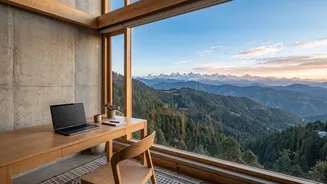
Working from a hammock or a beanbag sounds idyllic, but it's a recipe for back pain and distraction. Productivity and professional output depend on an environment conducive to focus, which means creating a clear boundary between your work area and your relaxation space. A dedicated workspace is key to signalling to your brain that it's time to focus. When choosing accommodation, look for a proper desk and an ergonomic chair—or at least one with good back support where your feet can touch the ground. Hunching over a low coffee table or balancing a laptop on your knees for eight hours a day will quickly diminish both your well-being and your work quality. If your rental lacks a suitable setup, pack a portable ergonomic kit. A lightweight, foldable laptop stand raises the screen to eye level, preventing neck strain. An external keyboard and mouse can also transform any table into a more comfortable workstation. For those who need absolute quiet for calls or deep work, noise-cancelling headphones are an essential investment, blocking out unpredictable background noise from cafes or co-living spaces. Exploring local co-working spaces for a day or even a week can also be a great alternative, offering reliable infrastructure and a community of fellow remote professionals.
Mastering Time Zone Differences
The 'vacation' part of a workation often clashes with the 'work' part when time zones are involved. Whether you are working from a different part of India or from another country, staying aligned with your team’s core hours is fundamental. Mismanaging time zones can lead to missed deadlines, scheduling conflicts, and burnout from working odd hours. Before you travel, communicate your new working hours clearly to your colleagues and manager. Identify a few “overlapping hours” where your schedule and your home office’s schedule intersect for real-time collaboration and meetings. Protect this window for calls and urgent tasks. For the rest of the day, lean on asynchronous communication tools to keep projects moving without needing immediate responses. It is also crucial to set firm boundaries to protect your personal time. It’s easy to let your workday bleed into the evening when your team is just starting their day. Clearly define your log-off time and stick to it. This discipline ensures you actually get to enjoy the location you've travelled to, preventing the workation from becoming just work in a different, more expensive location.