


More Than a Dance
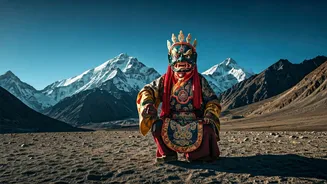
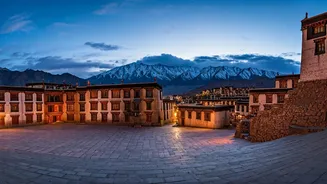
This is the Cham dance, a cornerstone of Ladakhi monastic festivals. Far from being a mere performance for tourists, Cham is a profound spiritual practice. Performed by monks in the courtyards of ancient monasteries, these dances are a form of active
meditation, a sacred ritual intended to subdue evil spirits, protect the faithful, and impart moral teachings to the audience. Each step, gesture, and turn is codified, part of a tradition passed down through generations. Witnessing a Cham is to watch Buddhist theology come alive, a vibrant and dynamic display of the battle between good and evil, and the impermanence of the self.
The Faces of Divinity and Dharma
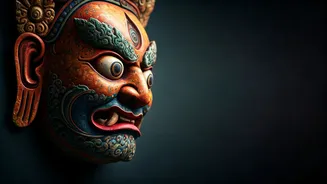
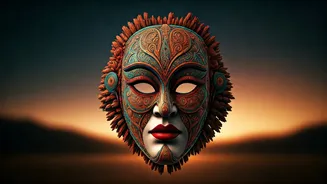
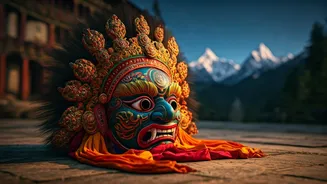
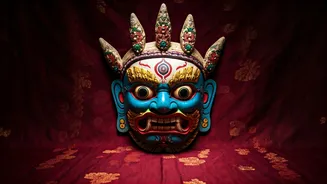
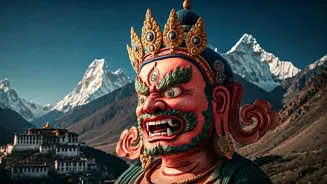
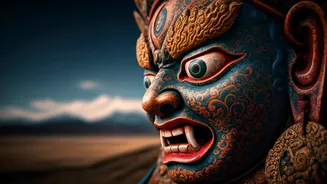
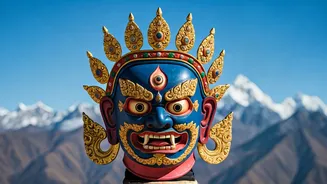
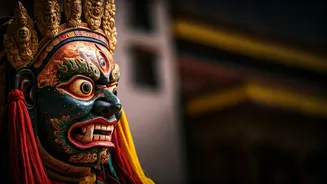
The masks are the soul of the performance. They are not merely costumes but representations of deities, demons, and historical figures from Buddhist lore. You might see the terrifying, wide-eyed faces of the Dharmapalas, or protector deities, whose fierce appearance is meant to ward off evil and destroy the ego. Often, these are accompanied by skeletal figures, the Chitipati, who serve as a stark reminder of life's impermanence. Other masks depict animals, revered lamas, and even comical characters who offer levity and social commentary. Each mask is a masterpiece of craftsmanship, carved from wood or fashioned from papier-mâché, and believed to be imbued with the spirit of the entity it represents during the festival.
When and Where to Go
Ladakh's festival calendar is tied to the Tibetan lunar calendar, so dates change annually. However, certain festivals are iconic. The most famous is the Hemis Tsechu, held in summer (usually June/July) at the Hemis Monastery, celebrating the birth of Guru Padmasambhava. It’s a grand, two-day affair that draws huge crowds.
For a different experience, consider a winter festival. The Spituk Gustor (usually in January) and the Dosmoche festival in Leh and Likir (usually in February) offer a glimpse into Ladakhi life during the harsh winter. These events feel more local and intimate, set against a starkly beautiful snow-covered landscape. Other notable festivals include the Phyang Tsedup, Thiksey Gustor, and Stok Guru Tsechu. Always check the exact dates for the year you plan to travel before booking.
Your High-Altitude Checklist
Ladakh’s beauty comes with a challenge: altitude. Leh sits at over 11,500 feet. To avoid Acute Mountain Sickness (AMS), acclimatisation is non-negotiable. Plan to do absolutely nothing for the first 24-48 hours after you land in Leh. Rest, hydrate (drink litres of water, herbal tea, and soup), and avoid alcohol. Your body needs this time to adjust to the lower oxygen levels. Only after two full days of rest should you begin gentle sightseeing around Leh. Any itinerary that rushes you to higher altitudes like Pangong Lake or Khardung La Pass on the second day is a recipe for trouble. Listen to your body, move slowly, and let the mountains dictate your pace. This patient approach not only keeps you safe but also allows you to truly sink into the region’s tranquil rhythm.
Respectful Witness
When attending a festival, remember you are a guest in a sacred space. Dress modestly, covering your shoulders and knees. Move quietly and avoid using flash photography, which is highly disruptive to both the performers and other spectators. The best spots are often taken early, so arrive with patience. Ask for permission before taking close-up photos of people. While the festivals are a dazzling spectacle, they are deeply religious events. Approaching the experience with quiet respect and genuine curiosity will not only be appreciated by your hosts but will also profoundly enrich your own understanding and enjoyment of the event.