
1. The Instant Energiser: Bellows Breath (Bhastrika)
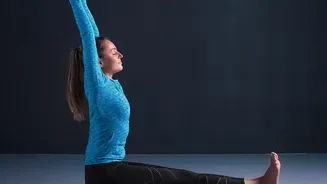
Feeling drowsy after hours of studying? This powerful breathing exercise is like a shot of espresso for your brain. It helps increase oxygen flow, leaving you feeling instantly alert and energised. Simply sit in a comfortable position with your spine
straight. Take a forceful breath in through your nose, filling your lungs, and immediately breathe out with equal force. Continue this active inhale and exhale for about 10 rounds. You'll feel a wave of energy and clarity, making it easier to absorb that next chapter. This technique keeps your cerebrum active, which can enhance your learning.
2. The Desk De-Stressor: Seated Cat-Cow
Sitting for long periods can make your back and shoulders stiff and sore. The Seated Cat-Cow is a fantastic way to release that tension right at your study desk. Sit on the edge of your chair with your feet flat on the floor. On an inhale, arch your spine and look up, rolling your shoulders back (Cow Pose). On an exhale, round your spine, drop your chin to your chest, and let your shoulders curve forward (Cat Pose). Repeat this flow five to ten times to improve spinal flexibility and get the blood moving again.
3. The Focus Finder: Eagle Arms (Garudasana Arms)
When your mind starts to wander, this stretch can help bring you back to the present moment. It releases tension in the shoulders and upper back, where a lot of study-related stress is stored. Extend your arms straight in front of you. Cross your right arm over your left, then bend your elbows. Bring the backs of your hands together or, if you can, wrap your right hand around to press your palms together. Lift your elbows and gently stretch your hands away from your face. Hold for five deep breaths, feeling the stretch between your shoulder blades, then switch sides. This simple move is great for improving focus.
4. The Calming Classic: Child's Pose (Balasana)
When you feel completely overwhelmed, Child's Pose is your go-to for immediate relief. It's a restorative posture that gently stretches the back and hips while calming the nervous system. Kneel on the floor, bring your big toes together, and sit back on your heels. Fold forward, resting your torso between your thighs and your forehead on the floor. You can keep your arms stretched out in front of you or rest them alongside your body. Breathe deeply into your back for at least 30 seconds to a minute. It’s like giving your brain a much-needed hug.
5. The Mind Quieter: Humming Bee Breath (Bhramari)
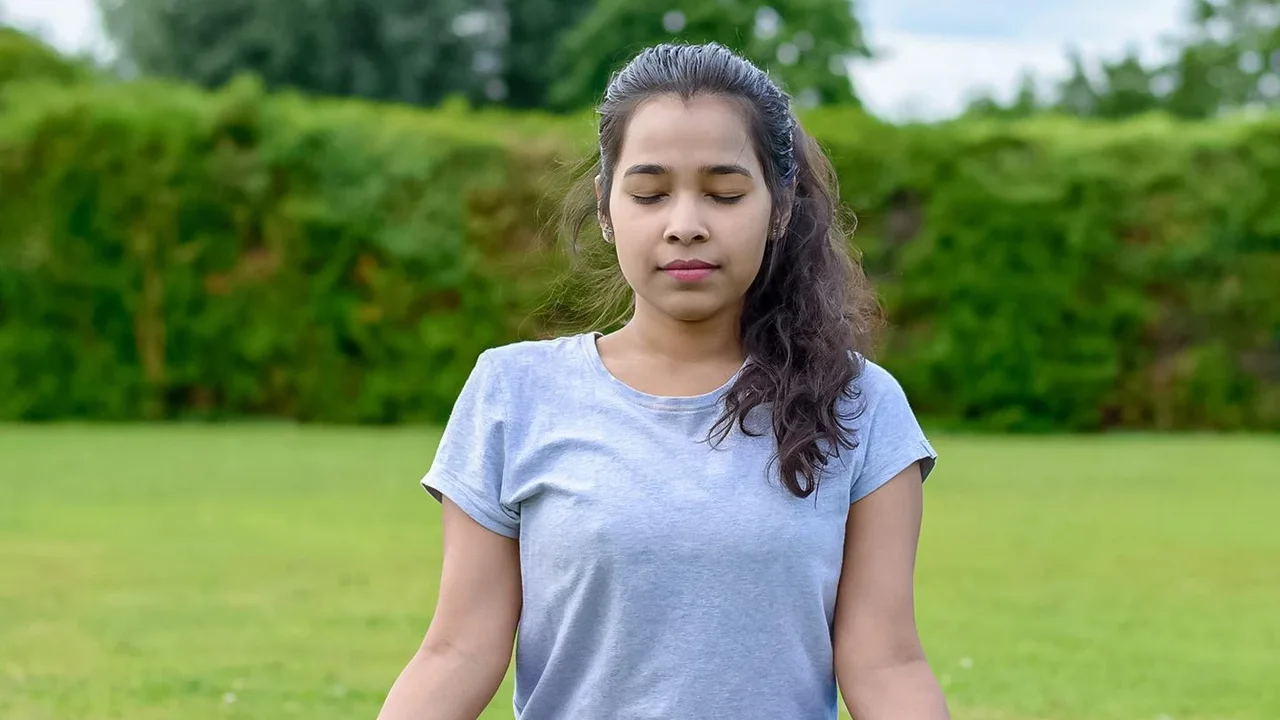
This breathing technique is a lifesaver when exam nerves are running high. The gentle vibration created by humming has an instantly calming effect on the nervous system, helping to quiet a racing mind and reduce anxiety. Sit up tall, close your eyes, and gently place your index fingers on the cartilage of your ears. Take a deep breath in, and as you exhale, make a low, steady humming sound like a bee. Continue for 6-8 rounds. It's a quick and discreet way to find your centre, even just minutes before an exam.
6. The Simple Reset: Standing Forward Bend (Hastapadasana)
If you only have 30 seconds for a break, make it this pose. A standing forward bend increases blood supply to the brain, which helps invigorate your nervous system and provides a sense of relaxation. Simply stand up, and as you exhale, hinge at your hips to fold forward. Let your head hang heavy and bend your knees as much as you need to. You can let your arms dangle or hold opposite elbows. This releases tension in your neck and entire back, offering a full-body reset before you dive back into your books.