




What is Low-Slung Seating?
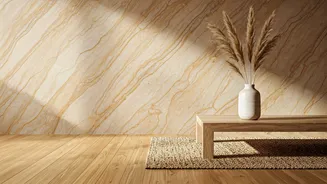
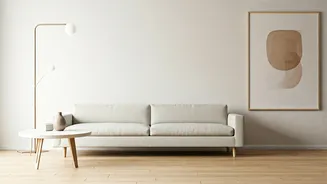
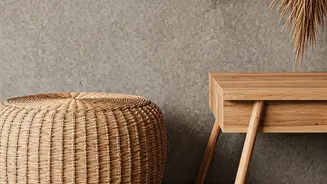
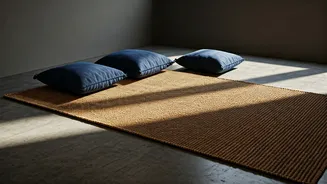
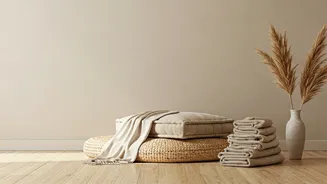
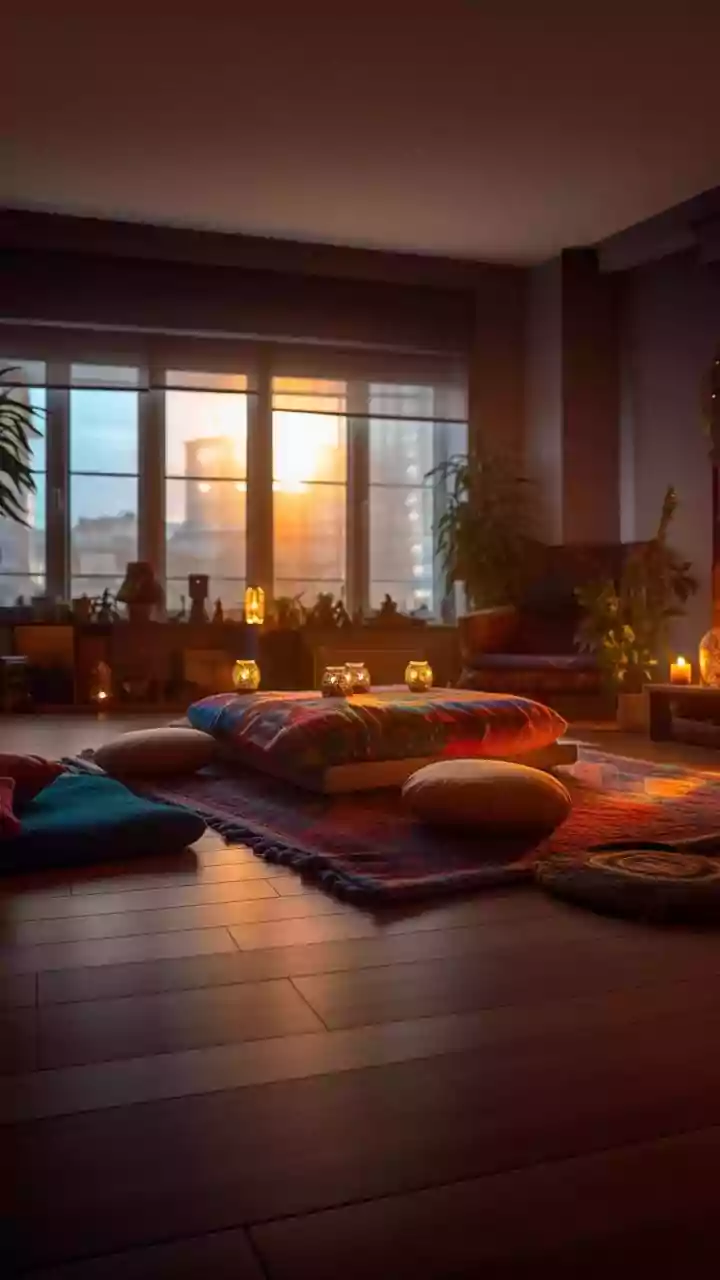
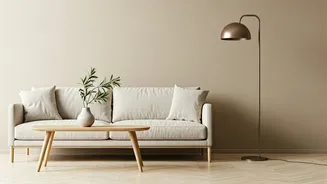
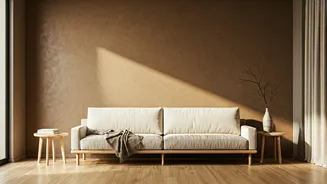
At its core, this trend is about bringing furniture closer to the ground. Think oversized jute poufs, chunky woven floor cushions, and unstructured daybeds or modular sofas that sit just inches off the floor. This isn't your formal, upright living room
furniture. It’s casual, inviting, and encourages a more relaxed way of living. The aesthetic borrows heavily from two major design movements: Japandi, which blends Scandinavian minimalism with Japanese principles of naturalism and imperfection (wabi-sabi), and the enduringly popular Bohemian style, which champions eclectic, organic, and laid-back interiors.
The Allure of Grounded Living
The popularity of low-slung seating isn’t just about looks; it's about a feeling. In a world that feels increasingly chaotic and digital, creating a home that feels like a sanctuary is a priority. 'Grounded' living is a design philosophy that aims to foster a deeper connection to our immediate environment. Sitting closer to the floor can feel more intimate and communal. It changes the perspective of a room, making ceilings feel higher and the space feel more open. It’s a subtle rebellion against formal, rigid furniture, inviting you to lounge, relax, and simply be present in your space.
Jute: The Humble Hero
The material choice is key to this trend's success. Jute, a natural fibre derived from the jute plant, is durable, sustainable, and relatively affordable. Its coarse, golden-brown texture adds instant warmth and a touch of rustic charm to any interior. For Indian homes, jute is hardly a new discovery. We've used it for centuries in everything from 'charpais' to sacks to decorative ropes. This familiarity makes the trend feel less like an import and more like a modern reinterpretation of a material we've always loved. Its eco-friendly credentials also resonate strongly with a growing desire for conscious consumerism and sustainable home goods.
A Modern Nod to Tradition
While the aesthetic might be styled on international Pinterest boards, the practice of floor seating has deep cultural roots in India. From the 'baithak' in traditional homes to gathering for a meal on a 'duree', sitting on the floor is associated with community, humility, and family. The modern jute floor cushion or pouf is a contemporary evolution of this concept. It allows us to integrate this traditional practice into our modern urban homes in a way that feels stylish and comfortable. It’s a perfect blend of global trend and local tradition, making it uniquely appealing to the Indian sensibilities.
Practicality vs. The Look
Before you replace your entire sofa set, let’s talk practicality. Is low-slung seating comfortable? For lounging, reading, or casual chats, absolutely. Poufs and floor cushions are incredibly versatile; they can be moved around, used as footstools, or serve as extra seating for guests. However, they typically lack back support, which can be an issue for extended sitting, especially for older family members or those with back problems. Cleaning can also be a concern. While jute is durable, it doesn't react well to liquid spills. The key is balance. You don't have to commit to a fully floor-based living room; incorporating a few well-placed pieces can give you the aesthetic without sacrificing the comfort of a traditional sofa.
How to Style It Right
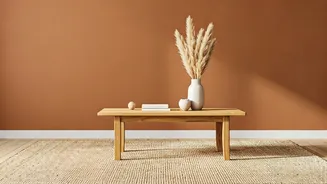
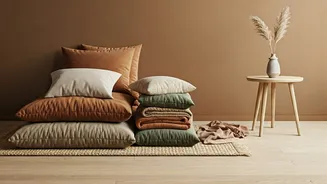
Integrating this trend is simple. Start small with one or two large jute floor cushions in a corner to create a cosy reading nook. Pair them with a plush woollen rug to add softness and contrast. If you have a low coffee table, surrounding it with poufs instead of chairs can create a lovely, informal setting for coffee or board games. To combat the lack of back support, place floor cushions against a wall and layer them with softer linen or cotton pillows. The goal is to create layers of texture and comfort, mixing the roughness of jute with the softness of other textiles.