





The Single-Serving Snack Trap
It’s a familiar story. You’re busy, hungry, and reach for a convenient packet of biscuits, a small bag of chips, or a bottle of juice. You finish the whole thing, assuming it was a single portion. Many people do. The front of the package is often designed
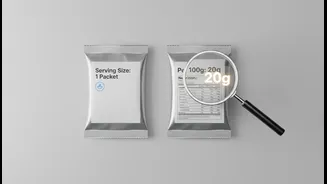
to look like an individual snack. However, this assumption is where many of us get tripped up. Food manufacturers frequently define a 'serving' as an amount far smaller than what a person typically consumes in one sitting. That packet of ten biscuits might list the nutrition facts for just two or three. That bottle of juice might contain two or even three servings. This discrepancy between the package size and the serving size is the number one mistake people make when reading food labels, and it has a huge impact on what you're actually consuming.
The Real Key: 'Servings Per Container'
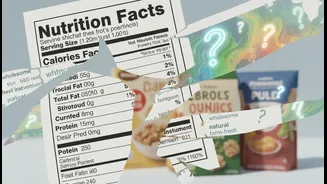
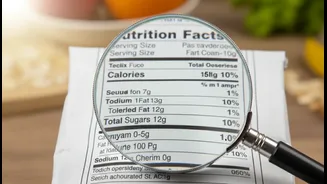
The most important number on any nutrition label is often the first one you should look for, yet it's frequently ignored: 'Servings Per Container'. This tiny line of text is the decoder for the entire label. It tells you how many of those 'servings' are in the package you're holding. All the numbers that follow—calories, fat, sugar, sodium—are for one single, often unrealistically small, serving. If a package contains three servings, and you eat the whole thing, you must multiply every single number on that label by three. That '100-calorie' snack suddenly becomes a 300-calorie snack. That drink with 15 grams of sugar actually delivers 45 grams. Ignoring this multiplier is like reading only one chapter of a book and thinking you know the whole story.
The Calorie Multiplier in Action
Let’s take a practical example from an Indian kitchen staple: a packet of instant noodles. The label might proudly display '250 calories' per serving. But if you check the 'Servings Per Container', you might find it says '2'. Most people cook and eat the entire block of noodles at once, assuming it is a single meal. In reality, they are consuming 500 calories, not 250. The same logic applies to fats and sodium. The 10 grams of fat listed per serving becomes 20 grams for the packet, and the 800mg of sodium becomes a startling 1600mg—a significant portion of the recommended daily limit for an adult. According to India's Food Safety and Standards Authority (FSSAI) regulations, manufacturers must declare this information, but it is up to the consumer to notice and act on it.
Why Are Serving Sizes So Misleading?
Why do manufacturers use such small serving sizes? It often comes down to marketing. A smaller serving size makes the numbers for calories, sugar, and fat look much more appealing to a health-conscious shopper. This is sometimes called the 'health halo effect'; a lower calorie count on the front makes consumers perceive the product as healthier than it is, potentially leading them to eat more. While regulations in India, overseen by FSSAI, mandate how nutritional information should be displayed, the definition of a 'serving size' is based on what is 'customarily consumed per eating occasion'. However, this can be subjective and often doesn't reflect real-world eating habits, where a person is likely to finish a package they perceive as 'individual'.
Your New Supermarket Strategy
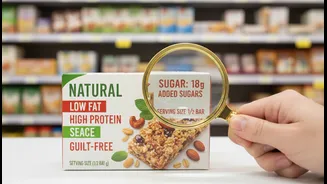
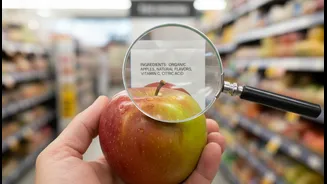
Becoming a smarter shopper doesn't require a degree in nutrition. It just requires a simple change in habit. The next time you pick up a packaged food item, ignore the flashy claims on the front. Turn it over and make it a rule to find the 'Servings Per Container' number first. Before you even look at the calories or sugar, do the quick mental maths. Ask yourself, 'Will I eat the whole package?' If the answer is yes, multiply the key numbers to understand the true total. This simple step transforms you from a passive consumer into an informed one. It allows you to accurately compare two different products and make a choice based on reality, not on clever marketing. By mastering this one number, you take back control of your nutritional choices.