






A New Wave of Global Connections
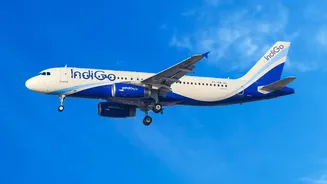
Indian aviation is in a phase of ambitious international expansion. Carriers are adding new destinations and increasing frequencies on existing popular routes. In 2026, both Air India and IndiGo have been actively launching and restoring services to destinations across
Europe, Asia, and North America. For instance, Air India has been increasing its flights to cities like Toronto, Seoul, and Shanghai, while also restoring non-stop connectivity to New York after airspace restrictions eased. Meanwhile, IndiGo continues to build its international network, which now covers dozens of destinations. This growth is a clear sign of India's rising prominence as a global aviation market, with a government vision to expand the number of airports to nearly 400 by 2047. However, much of this expansion follows a cautious, deliberate pattern, particularly when it comes to brand-new, long-haul routes.
The 'Test and Scale' Strategy
Launching a new international route, especially a long-haul one, is a multi-million dollar gamble for any airline. Instead of committing a valuable wide-body aircraft to a daily service from day one, carriers often opt for a 'test and scale' approach. By starting with two, three, or four flights a week, an airline can dip its toes in the water. This allows them to gauge real-world passenger demand without the financial burden of operating empty or heavily discounted seats on a daily schedule. This strategy is particularly common on routes where demand is unproven or expected to be highly seasonal. For example, a leisure-heavy route might see high demand during holiday seasons but struggle during other months. A non-daily schedule allows the airline to match capacity with this fluctuating demand. If the route proves popular and consistently profitable, the airline can then confidently increase the frequency to daily service.
The Practicalities of Planes and Ports
The decision to operate a non-daily service is also rooted in practical constraints. Long-haul international flights require wide-body aircraft like the Boeing 787 or Airbus A350. Both Air India and IndiGo have large orders for these planes, but deliveries are staggered over several years. With a limited number of these high-value assets, airlines must strategically deploy them where they can generate the most revenue. A single aircraft might be used to serve multiple non-daily routes, ensuring it remains in the air and earning money rather than sitting idle. Furthermore, securing optimal landing and take-off slots at major global hubs like London Heathrow or New York's JFK is intensely competitive and expensive. A non-daily service might be the only way for an airline to gain a foothold at a coveted airport before it can secure the rights for a more frequent schedule.
The Bilateral Rights Puzzle
International aviation is governed by a complex web of bilateral air service agreements between countries. These treaties dictate how many flights and seats an airline from one country can offer to another. These rights are a finite resource. By launching a less-than-daily service, an airline can begin to utilize its allocated rights on a new route without overcommitting its fleet. This incremental approach allows carriers to build a presence in a market while preserving some of their bilateral entitlements for future expansion, either on the same route or to a different city in that country. It’s a strategic way to plant a flag in a new territory while managing resources and regulatory allowances effectively.
What It Means for Indian Travellers
For passengers, this trend is a mixed bag. The clear positive is the growing number of direct flight options to new corners of the globe, which reduces reliance on connecting flights through international hubs. More competition can also lead to attractive introductory fares. The downside, however, is a loss of flexibility. Travellers must plan their itineraries around the airline's specific operating days, which can be inconvenient for both business and leisure trips. A Tuesday/Thursday/Saturday flight schedule might not align with a desired weekend getaway or a Monday morning business meeting. It forces passengers to adapt to the airline's schedule rather than the other way around. As India's airlines continue to receive new aircraft and build confidence in these new markets, many of these non-daily routes are likely to mature into daily services, eventually offering the blend of choice and convenience that travellers ultimately seek.