



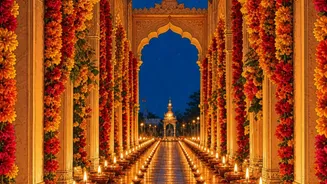
As Diwali approaches, the desire to fill our homes with light and joy is universal. This guide helps you honour tradition with sustainable decor that feels right at home in a modern living space, proving that style and substance can coexist beautifully.
The Foundation: Earthen and Upcycled Diyas
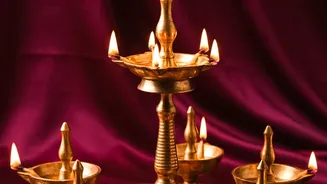
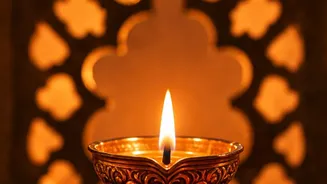
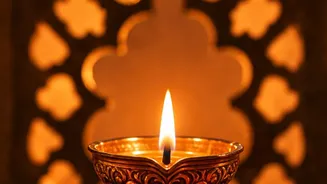
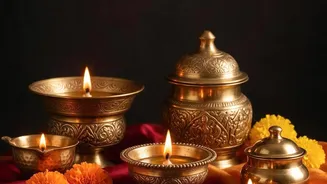
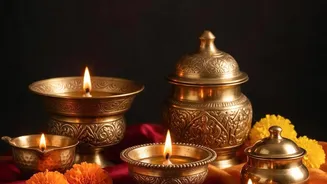
The diya is the heart of Diwali lighting. This year, lean into the timeless appeal of unpainted terracotta diyas. They are biodegradable, inexpensive, and support local potters. For a modern twist on this classic, cluster diyas of varying heights on a console table or in a safe corner of your living room. In spaces where open flames are a concern, consider reusable brass or metal diyas, which can become family heirlooms. You can also get creative by upcycling materials you already own. Old glass jars, painted and filled with sand and a tea light, can be transformed into charming lanterns. Even citrus peels from oranges or sweet limes can be used as natural, fragrant holders for a ghee-soaked wick.
The Glow of Tradition: Sustainable Lanterns
Kandils, or lanterns, add height and dimension to your festive decor. Instead of single-use plastic or thermocol options, which contribute significantly to festival waste, opt for lanterns made from paper, wood, or cloth. These can be folded and stored for use year after year. For a contemporary look, choose lanterns in solid, jewel-toned colours that complement your living room's palette. Arranging them near a window or on a balcony creates a warm, welcoming beacon. If you enjoy a DIY project, you can even craft your own lanterns from recycled paper or by decorating old glass bottles with paint and placing battery-operated fairy lights inside.
The Fabric of Festivity: Handloom Textiles
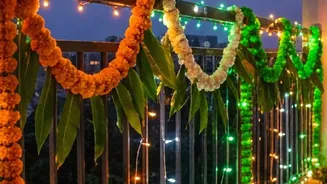
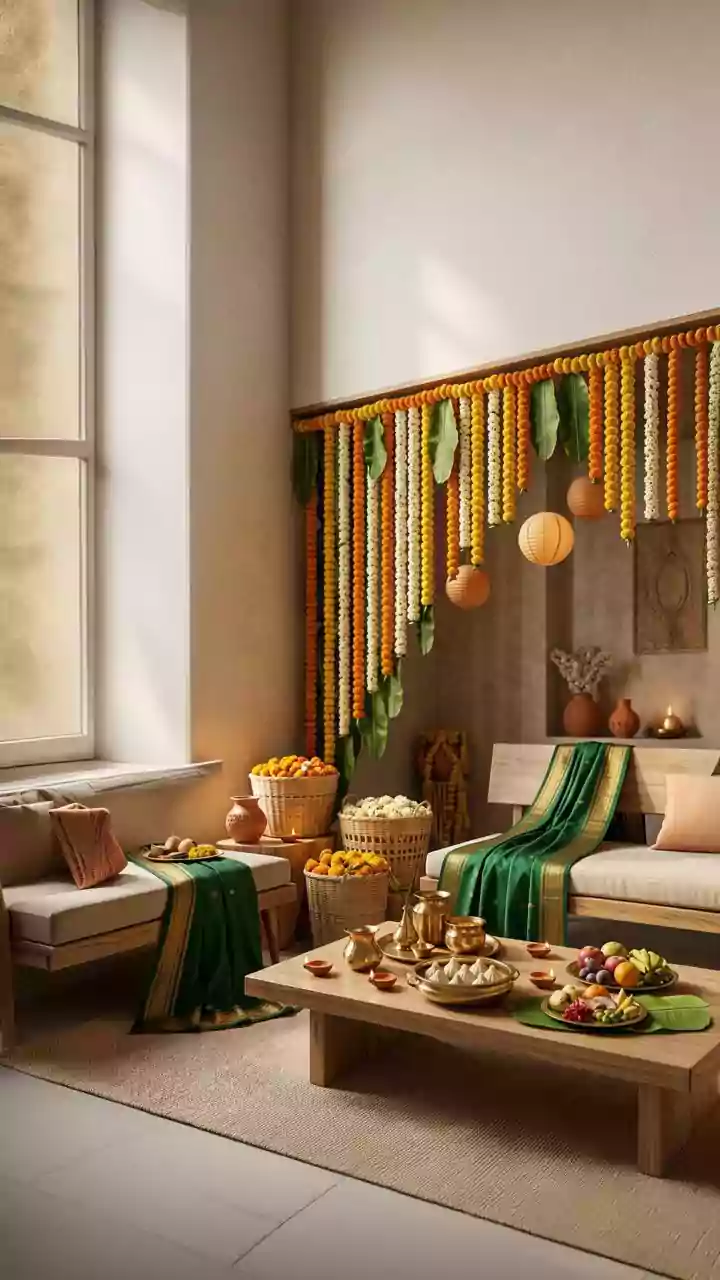
One of the easiest ways to bridge traditional and modern aesthetics is through textiles. Swap out your everyday cushion covers for ones made from handloom fabrics like Ikat, Chanderi, or block-printed cotton. These add instant texture, colour, and a sense of craftsmanship. A vibrant Kantha-embroidered throw draped casually over a minimalist sofa can create a stunning focal point. Instead of a plastic toran on your main door, consider one made from fabric scraps, jute, or macrame. These reusable hangings feel more substantial and can be matched to your interior colour scheme, creating a cohesive look from the moment guests arrive.
The Scent of Celebration: Natural Florals and Rangoli
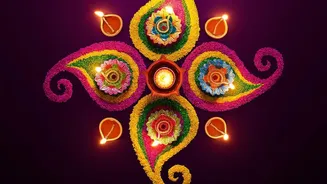
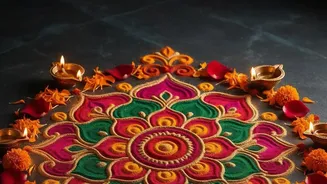
Flowers bring life and fragrance to any celebration. For a modern approach, avoid scattering them everywhere and instead create a few intentional arrangements. A brass urli filled with water and floating marigolds or rose petals on a coffee table is a classic that never fails. For your rangoli, skip the synthetic chemical powders. Traditional and ecofriendly alternatives like rice flour for white, turmeric for yellow, and kumkum for red are just as vibrant and completely biodegradable. You can also create a rangoli entirely out of flower petals for a fresh, fragrant, and zerowaste design. This approach not only looks beautiful but is also safe for homes with children and pets.
The Art of Integration: Balancing Old and New
The key to making traditional decor work in a modern living room is balance. Don't try to do everything at once. Start with a neutral base palette (whites, greys, beiges) and introduce traditional elements as accents. A single statement piece, like a large Pattachitra painting or a carved wooden chest used as a side table, can have more impact than a dozen smaller items. Pair traditional materials like brass and terracotta with modern ones like glass and steel. For example, a cluster of brass candle holders on a sleek, contemporary media unit creates a beautiful contrast that celebrates both worlds. Let the simplicity of your modern furniture provide the perfect backdrop for the richness of Indian craftsmanship.