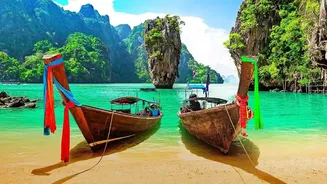




The End of the Rigid Itinerary
For decades, the classic holiday involved meticulous planning: flights, hotels, and tours booked months in advance, with each day accounted for. For many young travellers today, that approach feels outdated and restrictive. They are instead embracing
'flexible holidays,' a broad term for travel defined by spontaneity and adaptability. This can manifest as a 'workcation,' where remote work is combined with leisure, or a 'slow travel' approach that prioritizes depth over distance. The core idea is simple: have a general direction or intention, but leave the daily details open to discovery. Instead of a checklist of sights, the goal is to immerse oneself in a destination, guided by mood and opportunity rather than a pre-set agenda.
Why Flexibility Is the New Priority
Several powerful forces are driving this trend. The most significant is the normalisation of remote and hybrid work. With the ability to work from anywhere with a reliable internet connection, the traditional two-week holiday block is becoming less relevant. Gen Z professionals, in particular, are leveraging this to extend trips, blending workdays with exploration. Economic factors also play a huge role. This generation is highly value-focused, prioritising spending on unique experiences over luxury goods or even premium flights and hotels. They are adept at finding deals and willing to trade convenience for cost savings, making longer, more flexible trips financially viable. This approach is a direct response to a desire for authenticity; travellers want to discover hidden gems and local culture, which a rigid schedule often prevents.
From Planning to 'Vibes'
The way Gen Z plans travel reflects this shift. While previous generations might have used guidebooks and travel agents, today's young travellers turn to social media for inspiration. Platforms like TikTok and Instagram are primary sources for discovering unique destinations and experiences that aren't in the mainstream. However, this doesn't mean they're simply copying influencers. There's a growing trend of 'de-influenced' travel, where the goal is to find personal and undiscovered places away from the viral hotspots. Planning is often minimal, perhaps involving booking a flight and the first night's accommodation. The rest is left to unfold, with travellers using apps to find last-minute lodging or transportation. This approach is less about the destination itself and more about the overall 'vibe'—whether that's a quiet, restorative retreat or an adventurous exploration.
How the Industry Is Adapting
The travel industry is taking notice and beginning to adapt. Hotels are increasingly offering amenities that cater to long-term stays and remote work, such as co-working spaces and high-speed internet. Airlines and booking platforms have recognised the demand for flexibility, with many retaining the more lenient cancellation and change policies introduced in recent years. This generation is also less brand-loyal, often prioritising price and value over legacy loyalty programs. As a result, companies are competing on experience and flexibility. Some are even leaning into the 'slow travel' movement, promoting eco-friendly options like rail travel, which resonates with Gen Z's environmental consciousness.