




The Rise of the 'Premium' Millet
From jowar and bajra to ragi and foxtail, millets are being celebrated for their impressive nutritional profile and climate resilience. Hailed as 'Shree Anna', these ancient grains are packed with protein, fibre, and essential minerals. This renewed popularity
has created a new market tier: premium millets. You’ve likely seen them in speciality stores and online, boasting labels like ‘organic’, ‘heirloom’, or ‘single-origin’, often with a price tag to match. This leaves many health-conscious shoppers wondering if the extra cost translates to superior health benefits or if it's just clever marketing. The answer lies not in the price itself, but in understanding what these labels truly signify.
Decoding the 'Premium' Promise
Unlike other food products, there is no official, regulated definition of a 'premium' millet. The term is primarily used by brands to indicate certain desirable qualities. Generally, a premium price is attached to millets that are either certified organic, unpolished, or belong to a specific traditional variety. The most significant of these, from a health perspective, is the degree of processing the grain has undergone. Organic certification offers assurance about farming methods, guaranteeing the crop was grown without synthetic pesticides or fertilisers, which is a valid priority for many families. However, the true nutritional powerhouse factor often comes down to one simple word: unpolished.
Polished vs. Unpolished: The Real Difference
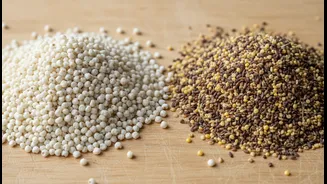
This is the single most important factor determining a millet's nutritional worth. Polishing is a mechanical process that strips away the millet’s outer bran layer. This is done to give the grains a smoother texture, a more uniform white or light appearance, and a shorter cooking time. The problem? That bran layer is where most of the goodness is stored. Removing it strips the grain of up to 70% of its fibre, B-vitamins, antioxidants, and crucial minerals like iron and calcium. An unpolished millet, with its bran intact, retains all these nutrients. It has a lower glycemic index, which helps in managing blood sugar levels, and its high fibre content aids digestion and keeps you feeling full for longer. Essentially, a polished millet behaves more like a refined grain, while an unpolished one is a true whole grain.
So, Is the Extra Cost Justified?
Paying a premium price can be justified, but only if you know what you're paying for. If your priority is to avoid chemical residues, then paying more for certified organic millets is a logical choice. These products undergo a stringent certification process, and the higher cost reflects the more demanding farming practices. If your main goal is nutrition, the premium is worth it only if you are buying unpolished millets. The nutritional difference between a standard, locally sourced unpolished millet and a fancy-packaged 'premium' unpolished millet is often minimal to non-existent. The key is to favour unpolished over polished, regardless of branding. Paying a high price for a polished organic millet, for instance, means you're getting a pesticide-free but nutritionally depleted product.
Your 5-Point Shopper's Checklist
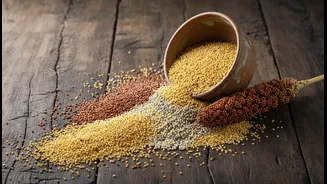
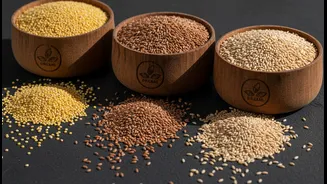
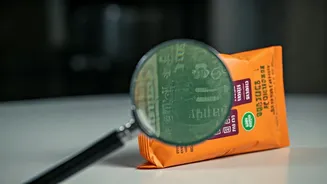
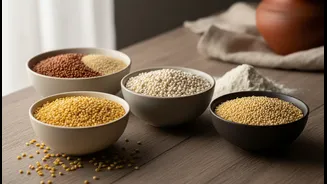
Navigating the millet aisle doesn't have to be confusing. Use this simple checklist to ensure you're getting the best value for your health and money: 1. Seek 'Unpolished': This should be the first thing you look for on the packet. Unpolished millets will have a slightly rough, matte finish, not a smooth, shiny one. 2. Check the Colour: Don’t be drawn to uniform, pearly white grains. Millets have natural, earthy colours—foxtail millet is yellowish, while kodo millet has a reddish-brown hue. These natural colours are a good sign they haven't been overly processed. 3. Look for the 'Millet Eye': A tiny black dot is visible on most unpolished millet grains. This is a mark of authenticity and is often scrubbed away during polishing. Its presence helps ensure you're not buying adulterated grains. 4. Verify Certifications: Always look for the mandatory FSSAI license number. If you are specifically paying for organic, check for official logos like 'India Organic' or the 'Jaivik Bharat' hologram. 5. Read the Packaging Date: Like all whole grains, millets are best when fresh. Check the date of packaging to ensure you're buying a recent batch, as the natural oils in whole grains can go rancid over time.