



Understand the Affected Regions
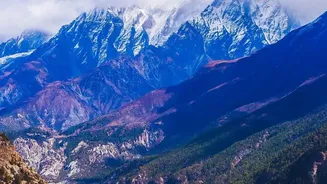
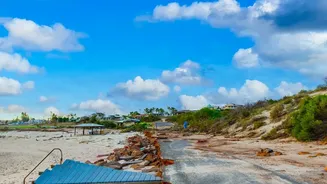
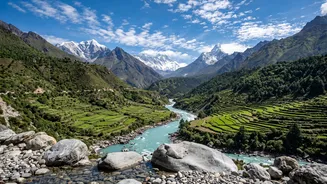
The flash floods on August 26, caused by a glacial collapse on the Nepal-China border, have severely impacted specific areas. The primary damage is concentrated in the Rasuwa and Nuwakot districts, especially along the Trishuli and Bhote Koshi river corridors.
The popular Langtang, Gosaikunda, and Tamang Heritage trekking routes are suspended. However, it is crucial to understand this is not a nationwide disaster. Major tourist hubs like Kathmandu, Pokhara, and Chitwan were not directly hit by the floods and remain operational. The Nepal Tourism Board has emphasized that most of the country is safe and accessible. The key is to distinguish between the severely affected northern border regions and the rest of the country.
Verify Road and Transport Status
Overland travel has been significantly disrupted. The Prithvi Highway, a key artery connecting Kathmandu to Pokhara and Chitwan, has been closed at Krishnabhir due to a road subsidence, with repairs expected to take time. This makes road travel between these major cities unreliable for the time being. The Araniko Highway and routes leading to the Rasuwagadhi/Kerung border crossing with Tibet are also closed. However, air travel remains completely unaffected. Tribhuvan International Airport in Kathmandu is operating normally, as are all domestic flights to Pokhara, Bharatpur (for Chitwan), and other destinations. For travel between major tourist cities, flying is the most reliable option at present.
Check Your Specific Itinerary and Destination
Before you travel, focus on your specific destination's status. While Pokhara itself is safe with hotels and activities running, the road to get there from Kathmandu is cut off. Similarly, the main pilgrimage route for the Kailash Mansarovar Yatra via Rasuwagadhi is closed, impacting many Indian pilgrims. However, other major pilgrimage sites like Pashupatinath Temple, Muktinath, and Lumbini are open and accessible. The Everest and Annapurna trekking regions have not been affected by this specific flood event and remain open for the autumn season. Do not assume your destination is inaccessible; verify its specific status.
Contact Your Local Operators Directly
The most accurate, on-the-ground information will come from your local contacts in Nepal. Before making any decisions to cancel or postpone, speak directly with your hotel, tour company, or trekking guide. They can provide real-time updates on local conditions, transportation alternatives, and the feasibility of your planned activities. The Nepal Army and tourism authorities have asked local operators to coordinate with them to ensure the safety and support of foreign guests. This direct line of communication is your best tool for making an informed decision and adapting your plans if necessary.
Prioritise Health and Travel Insurance
September is the tail end of the monsoon, and post-flood environments can increase the risk of waterborne diseases. Travellers should be cautious about food and water hygiene. Carry a basic medical kit and any personal medications you need. More importantly, ensure you have comprehensive travel insurance. Check that your policy covers trip cancellations, interruptions, and, crucially, medical evacuation. Medical facilities in Nepal can be limited, especially outside Kathmandu, and payment is often required upfront. In case of a serious emergency, medical evacuation to another country might be necessary, making robust insurance essential.
Monitor Official Sources
The situation can change daily. Rely on official sources for the latest updates rather than social media chatter. The Nepal Tourism Board has established an information desk to provide timely assistance and has been issuing regular situation updates. Foreign government travel advisories, such as those from the UK and US, can also provide useful safety information, though they are often cautious. Following these official channels will help you get a clear picture of the evolving situation and travel responsibly.