








The Magic of a Monsoon Visit
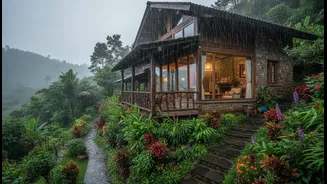
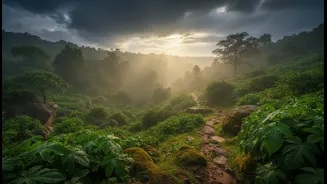
There's a reason travellers brave the rains: India’s national parks and sanctuaries are at their most atmospheric during the monsoon. Waterfalls roar back to life, the forests turn a vibrant, impossible green, and the scent of wet earth hangs in the cool
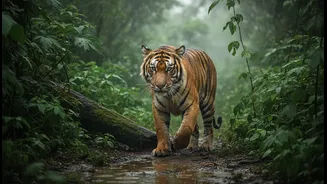
air. Popular destinations like Munnar, Coorg, and the Western Ghats become misty, magical landscapes, offering a quiet escape from the summer heat and city crowds. For wildlife enthusiasts, it’s a different kind of safari. While animal sightings can be more challenging due to the dense foliage, the experience is often more serene and personal. Some parks see increased activity from certain species and offer unique opportunities for birdwatching as migratory birds arrive.
Know Before You Go: Park Closures and Rules
The single most important planning step is research. Many national parks in India close their core zones during the monsoon, typically from June/July to September/October. This closure is essential for several reasons: it's the primary breeding season for many animals, it allows the forest to regenerate without disturbance, and it's a matter of safety, as dirt trails can become flooded, slippery, and impassable. However, many major reserves like Jim Corbett, Tadoba, Pench, and Ranthambore keep their buffer zones open for safaris. Parks in southern states like Karnataka and Kerala, such as Periyar, often remain open year-round, weather permitting. Always verify the current status of the specific park and zone you plan to visit, as rules can change.
Treading Lightly on Fragile Ground
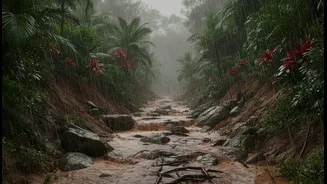
Monsoon landscapes are not just beautiful; they are also incredibly fragile. Rain-soaked soil is prone to erosion, a problem exacerbated by foot traffic. Sticking strictly to marked trails is more critical than ever. Going off-trail can damage delicate vegetation and contribute to soil degradation. The principle of 'Leave No Trace' is paramount. Carry out every single piece of waste you bring in, especially plastics, which can be easily washed into waterways and harm wildlife. Avoid using flash photography, which can startle and stress animals, and maintain a respectful silence to avoid disturbing their natural behaviours. Feeding animals is strictly forbidden and dangerous for both you and them.
Essential Gear for a Safe and Dry Trip
The right gear is non-negotiable for a safe and comfortable monsoon trip. Quick-drying synthetic clothes are your best friend; cotton and jeans are a poor choice as they stay wet, heavy, and cold. A reliable, lightweight raincoat or poncho is essential. The most important investment is in proper footwear: waterproof trekking shoes with deep-grip soles are necessary to handle slippery, muddy, and uneven terrain. A waterproof cover for your backpack is crucial to protect your belongings, and using ziplock bags for electronics and important documents is a smart move. Trekking poles can provide much-needed stability on slick paths. Finally, insect repellent is a must, as the monsoon brings out leeches and mosquitoes.
Safety First: Navigating Monsoon Risks
The beauty of the monsoon comes with inherent risks. Always check weather forecasts from reliable sources like the IMD before and during your trip. Flash floods and landslides are real dangers, especially in hilly regions. Avoid travelling at night on hill roads and always have buffer days in your itinerary to account for potential delays. Be extremely cautious near water bodies, as currents can be deceptively strong. When trekking, choose trails that are well-maintained and not prone to landslides. Informing someone of your itinerary and hiring a certified local guide can add a significant layer of safety. Local guides have invaluable knowledge of the terrain and weather patterns.