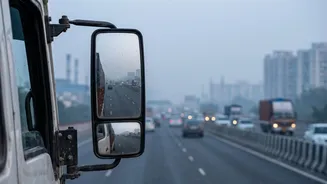





As winter approaches, logistics managers across India face a familiar challenge: navigating Delhi-NCR's stringent emission mandates. For outstation fleets, it's no longer just about traffic; it's a complex annual puzzle of compliance and rerouting.
The Annual Regulatory Gauntlet
Every
year, as temperatures drop and air quality in the National Capital Region (NCR) plummets, a series of anti-pollution measures known as the Graded Response Action Plan (GRAP) is activated. For commercial transport, this has become a critical operational factor. As of late 2026, these rules have become stricter and more defined. A key regulation that directly impacts outstation transporters is the ban on specific types of vehicles entering Delhi. From November 1, commercial goods vehicles that are BS-IV compliant or older are barred from entering the capital. Only vehicles running on CNG or electricity, or those compliant with BS-VI diesel norms, are permitted entry. These rules are not just suggestions; they are enforced with fines and legal action, making compliance a top priority for any fleet operating in or through the region.
Why Outstation Fleets Are Hit Hardest
While local Delhi-registered fleets have been gradually upgrading to BS-VI or cleaner fuels due to persistent regulatory pressure, outstation transport companies face a unique predicament. Many national transporters operate a mixed fleet, with a significant number of older, yet still functional, BS-IV vehicles. A 2026 study noted that while 62% of trucks entering Delhi were BS-VI compliant, a substantial 28% were still BS-IV. These older trucks are the workhorses for long-haul routes across the country. The blanket entry ban means a truck carrying goods from Mumbai to Panipat might be perfectly legal for 99% of its journey but is forbidden from passing through Delhi to reach its destination. This forces fleet managers into a logistical scramble, as a significant portion of their assets are suddenly rendered unusable for routes that have traditionally cut through the NCR for efficiency.
The Great Rerouting Strategy
In response, fleet managers are redrawing their maps. The most common adjustment is to completely bypass Delhi. Instead of taking the most direct routes, trucks are now being diverted onto peripheral expressways like the Eastern and Western Peripheral Expressways. These highways were designed to allow commercial traffic not destined for Delhi to skirt the city, and they have now become essential corridors for non-compliant vehicles. This rerouting isn't a simple detour; it involves meticulous planning to ensure drivers know the new routes and to account for the added distance and time. For some, it means transferring goods at the NCR border to smaller, compliant last-mile vehicles, adding a complex and costly step to the supply chain.
Counting the Cost of Compliance
These adjustments come at a significant financial cost. Rerouting adds considerable distance to trips, which directly translates to higher fuel consumption—the single largest expense for any transporter, accounting for 45-50% of operating costs. Furthermore, peripheral expressways, while efficient, come with their own high toll charges, adding another layer of expense. Industry estimates place per-kilometre operating costs for heavy vehicles anywhere from ₹68 to ₹125, depending on the truck's size and route, meaning even a 50-kilometre detour can substantially eat into the thin margins of a logistics operation. The alternative—risking entry with a non-compliant vehicle—is even costlier, with steep fines and the potential for vehicle seizure. This new reality has made route planning a high-stakes financial calculation.
A Push Toward Fleet Modernisation
While rerouting is the immediate solution, the recurring nature of these mandates is forcing a long-term strategic shift. Many fleet owners now see investing in a modern, BS-VI compliant fleet as an essential cost of doing business, rather than a luxury. Phasing out pre-BS-VI trucks is seen as a crucial step, with studies suggesting it could slash PM2.5 emissions from interstate trucks by over 50%. This transition is expensive, with new truck EMIs, insurance, and permits representing major fixed costs. However, the alternative is being locked out of the country's largest economic hub for several months each year. The Delhi-NCR emission rules are no longer just an environmental policy; they have become a powerful economic driver pushing the entire Indian logistics sector towards a cleaner, but more capital-intensive, future.