

A Health-Conscious Twist on Tradition
Festivals in India are synonymous with food, especially sweets. Janmashtami, celebrating the birth of Lord Krishna, brings forth an array of milk-based and fried delicacies like panjiri, peda, and makhan mishri. While deeply cherished, these traditional
preparations are often high in refined sugar and fats. In recent years, a significant cultural shift towards wellness has prompted many to seek healthier options, even during celebrations. This movement isn't about abandoning tradition but adapting it. The modern Indian consumer is increasingly looking for ways to balance festive indulgence with long-term health goals, creating a demand for sweets that are both delicious and nutritious.
The Rise of Youth-Led Food Initiatives
At the heart of this change are informal youth collectives—groups of friends, neighbourhood circles, and online communities driven by a shared passion for health and heritage. These young innovators are not part of large, formal organisations but are grassroots movers who share recipes and ideas through social media and community gatherings. They are motivated by a desire to see their cultural traditions thrive in a way that aligns with contemporary lifestyles. By exploring and promoting healthier alternatives, they are ensuring that festive food culture remains relevant and accessible to a new generation that prioritizes wellness without wanting to compromise on celebratory joy.
Rethinking Festive Ingredients
The core of this culinary revolution lies in smart ingredient swaps. Refined white sugar is the first to go, replaced by natural sweeteners that offer more than just sweetness. Jaggery (gur) is a popular choice, providing iron and a lower glycemic impact. Date paste, figs, and raisins are used to sweeten laddoos and barfis, adding fibre and a rich, caramel-like flavour. In place of refined flour (maida), these groups are using whole wheat flour (atta), millets like ragi and bajra, and oat flour, which add complex carbohydrates and nutrients. Cooking methods are also being reimagined. Instead of deep-frying, many are now baking, air-frying, or roasting snacks and sweets, which significantly reduces the oil content while retaining a satisfying crunch. Baked samosas and oven-made mathris are becoming festive staples in health-conscious households.
Spotlight on Healthy Janmashtami Treats
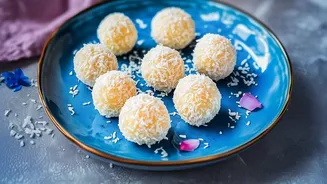
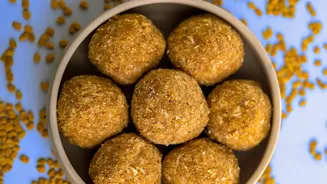
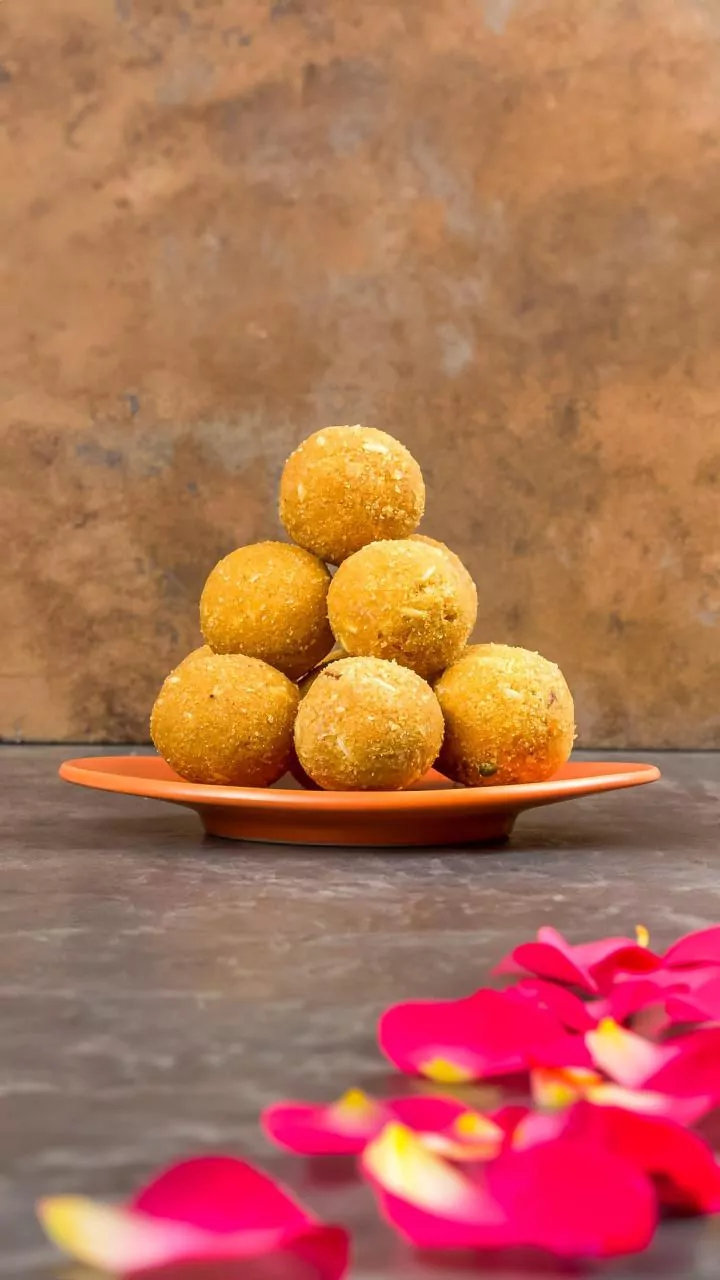
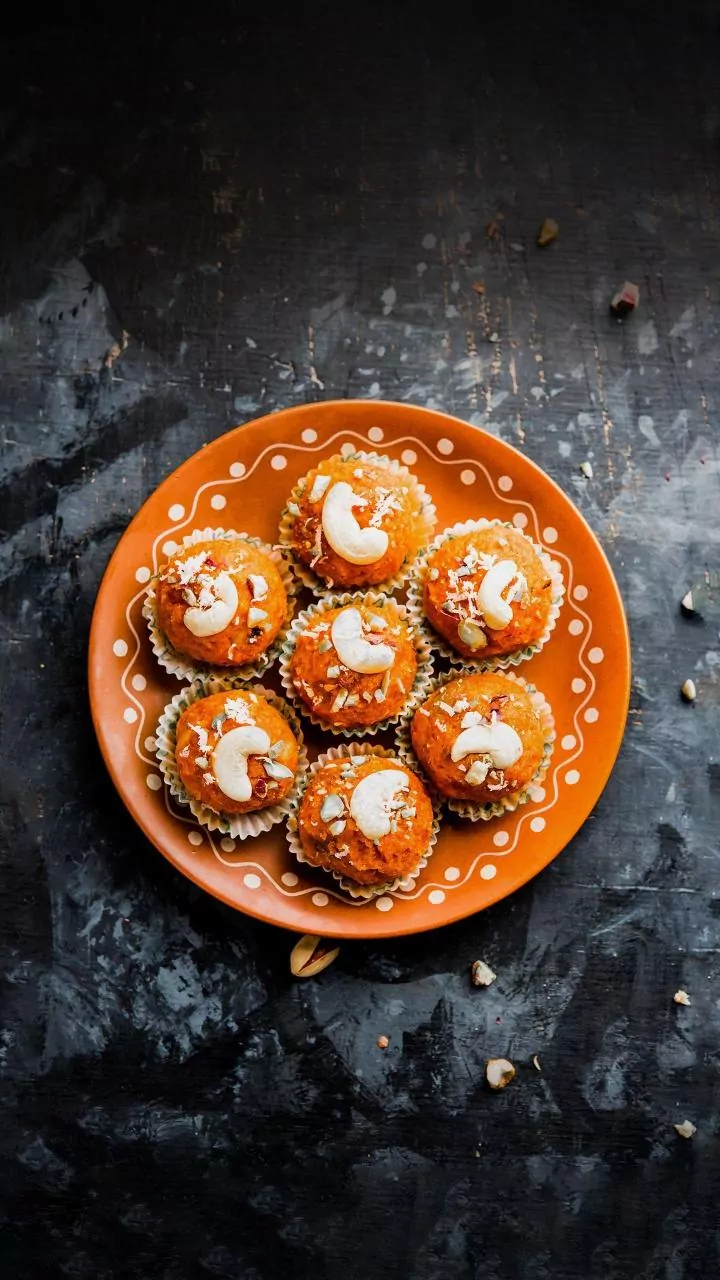
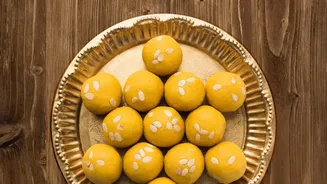
So what do these healthy festival plates look like? For Janmashtami, a 'Sugar-Free Panjiri' can be made by roasting whole wheat flour in ghee and sweetening it with powdered jaggery or finely chopped dates instead of sugar. 'Low-Glycemic Coconut Laddoos' use fresh coconut and a small amount of coconut sugar or jaggery syrup for binding, creating a treat rich in healthy fats and fibre. For a completely sugar-free option, 'Dates and Nuts Energy Bites' combine the natural sweetness of date paste with roasted nuts for a quick and wholesome prasad. Even kheer gets a makeover, with white rice being replaced by nutrient-dense makhana (fox nuts) or millets, and sweetened with stevia or monk fruit extract for a diabetic-friendly version.
More Than Food: Building Community
This movement is about more than just calories and sugar content; it's about community and conscious celebration. By gathering to cook, share recipes, and distribute these healthier treats, these youth collectives are strengthening social bonds. They are creating new traditions that honour the spirit of Janmashtami—devotion, joy, and togetherness—while promoting a message of mindful consumption. This proactive approach ensures that the rich culinary heritage of Indian festivals can be passed down in a sustainable and health-positive way, making the celebrations meaningful for both body and spirit. It proves that you don't have to choose between honouring your culture and caring for your health.