
What Exactly Is a 'Ghotala'?
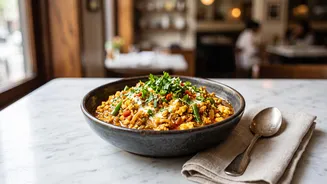
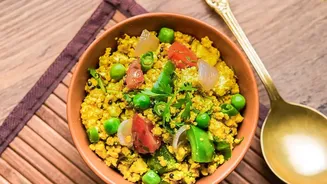
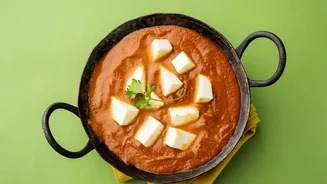
In Hindi and Marathi, the word 'ghotala' translates to a 'mess', 'scam', or 'chaos'. While it might seem like a strange name for a dish, it perfectly captures its essence. Paneer Ghotala is a gloriously messy scramble of grated paneer, vegetables, and spices,
all mashed together into a rich, cohesive curry. The name is a playful nod to how the ingredients are mixed up, creating a 'scandalously' delicious result. This dish is the vegetarian counterpart to the original street food classics like Anda (egg) Ghotala and Keema (mince) Ghotala, which became famous on the streets of Surat and Mumbai. The vegetarian version swaps out egg or meat for soft, crumbly paneer, but keeps the same bold, buttery, and spicy spirit.
The Core Components
At its heart, Paneer Ghotala is a simple dish built on a foundation of flavourful, everyday ingredients. The star is, of course, paneer, which should be fresh and soft for the best texture. It's typically grated, which helps it meld beautifully into the gravy. The base of the dish is a classic onion and tomato masala, enriched with ginger-garlic paste and green chillies. What often sets it apart from a standard paneer bhurji is the use of pav bhaji masala, which lends it a signature street-food tang. A generous amount of butter is non-negotiable for that authentic, rich flavour, and many street vendors and home cooks also add a bit of grated processed cheese to enhance the creamy texture. Finely chopped capsicum is another common addition that provides a subtle crunch and sweetness to cut through the richness.
The Basic Steps to Perfection
Making Paneer Ghotala is a straightforward and satisfying process. The first step is to create the masala base. Heat a mixture of oil and butter in a pan and sauté finely chopped onions until they are soft and translucent. Add ginger-garlic paste and green chillies, cooking until the raw smell disappears. Next, add finely chopped tomatoes and cook them down until they become soft and pulpy, releasing their oil. This is the stage where you introduce your powdered spices. Turmeric, red chilli powder, coriander powder, and the crucial pav bhaji masala are fried for a moment to bloom their flavours. Some recipes also call for a pinch of garam masala or kitchen king masala for extra depth. A key technique is to use a potato masher to break down the onions and tomatoes into a semi-smooth gravy, creating the 'ghotala' texture.
Bringing It All Together
Once your masala base is fragrant and well-mashed, it's time for the paneer. Add the grated paneer to the pan and mix it thoroughly with the masala. Stir for a couple of minutes to allow the paneer to absorb all the flavours. A small amount of water is then added to adjust the consistency, creating a thick but flowing curry. Let this simmer for a few minutes. For the final touches that truly define the dish, stir in another dollop of butter, some kasuri methi (dried fenugreek leaves), and often, grated cheese. The cheese melts into the mixture, making it even more decadent and creamy. Garnish generously with fresh, chopped coriander before serving. The entire process, from start to finish, is quick, making it an ideal choice for a weeknight meal that feels special.
How to Serve Your Ghotala
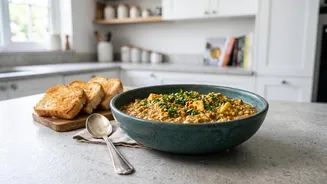
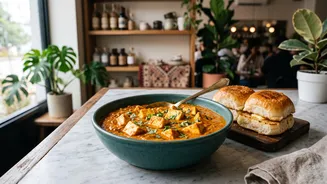
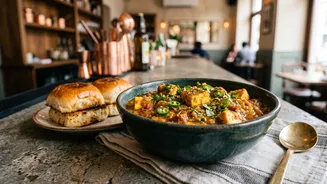
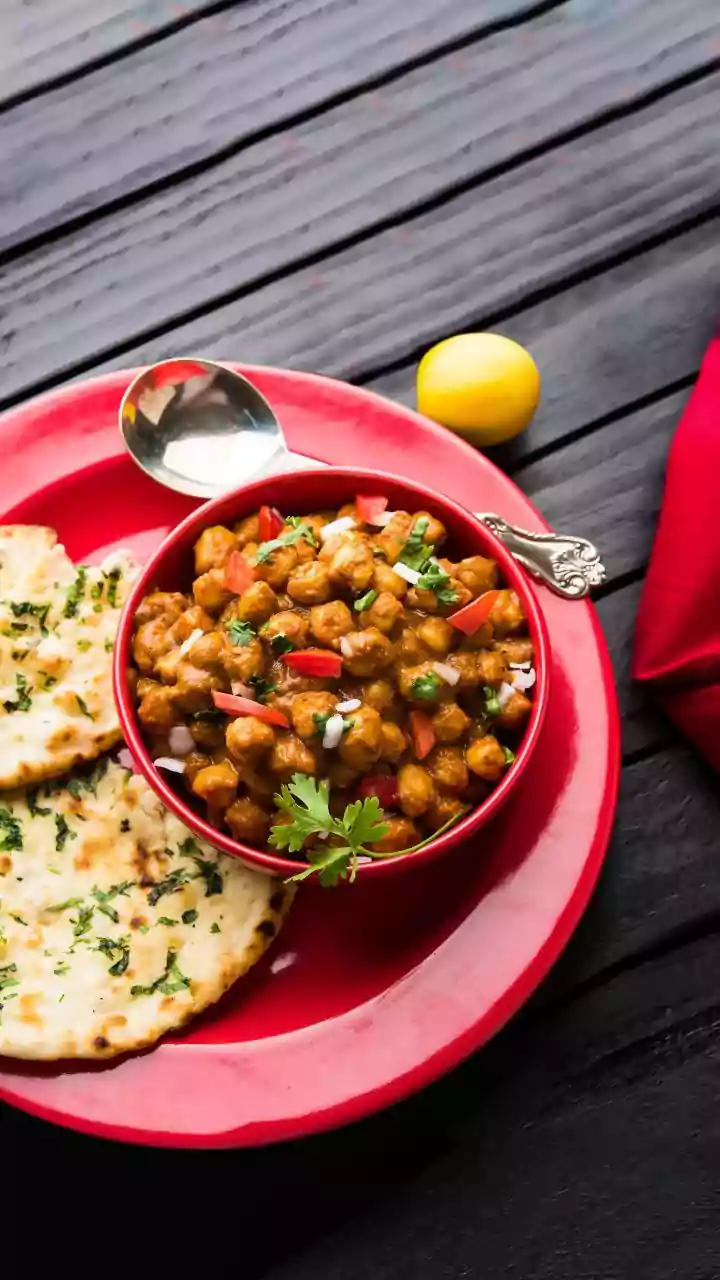
Paneer Ghotala is traditionally served hot, straight from the pan, with buttery, toasted pav (soft bread rolls). The soft pav is the perfect vehicle for scooping up the rich, spicy paneer mixture. To prepare the pav, simply slice the rolls in half, melt some butter on a tawa or pan, sprinkle a pinch of red chilli powder or pav bhaji masala, and toast the pav until they are lightly crisp and golden. While pav is the classic accompaniment, this versatile dish also pairs wonderfully with roti, paratha, or even just slices of toasted bread. A simple side of sliced raw onions and a wedge of lemon provides a fresh, sharp contrast to the richness of the ghotala.