




Understanding Monsoon and Your Hair
During the monsoon, humidity levels in the air are exceptionally high. Your hair, especially if it's dry or porous, tries to absorb this excess moisture. This causes the hair shaft to swell and the outer layer, known as the cuticle, to lift. The result
is the all-too-familiar frizz, puffiness, and general lack of control. Wet hair is also in its most fragile state, making it highly susceptible to breakage. This is why your drying routine is not just about getting the water out; it’s about protecting your hair when it is most vulnerable.
Mistake 1: Aggressive Towel Drying
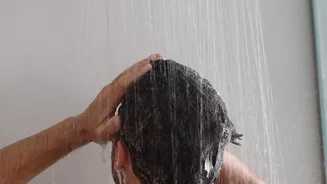
The instinctive reaction after a hair wash is often to vigorously rub it with a regular cotton towel. This is one of the most common mistakes. The rough texture of a standard towel creates significant friction against the delicate, raised cuticles of wet hair. This action roughens them up even further, leading directly to frizz and potential breakage. Instead of rubbing, gently squeeze excess water out of your hair. It is better to use a soft, microfiber towel or even an old cotton t-shirt, as these materials are much gentler and absorb water without causing friction.
Mistake 2: Tying Up Wet or Damp Hair
When you're in a hurry, tying wet hair into a ponytail or bun might seem like a convenient fix. However, this habit can lead to several problems. Wet hair is more elastic and fragile. Pulling it into a tight style puts tension on the strands and roots, which can lead to breakage and even hair loss over time, a condition known as traction alopecia. Furthermore, a tight, damp hairstyle traps moisture against the scalp, creating a warm, humid environment that is an ideal breeding ground for fungi and bacteria. This can result in dandruff, itching, and other scalp infections. Always let your hair dry completely, or at least mostly, before tying it up.
Mistake 3: Immediately Using High Heat
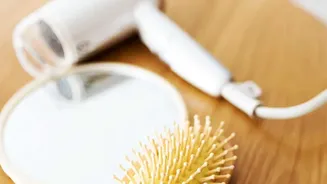
While blow-drying can save time, blasting wet hair with high heat is damaging, especially during the monsoon. The intense heat can strip hair of its natural moisture, making it even more prone to absorbing humidity from the air and becoming frizzy. If you must use a blow dryer, start with a low heat and low speed setting. Allow your hair to air-dry about 70-80% of the way first. When you do blow-dry, always point the nozzle downwards along the hair shaft. This helps to smooth the cuticles down, sealing them and creating a sleeker, less frizzy finish. A final 'cool shot' from your dryer can also help to lock in the style and close the cuticles.
Mistake 4: Skipping Protective Products
Drying your hair without a protective layer is a missed opportunity for frizz control. Using a conditioner after every wash is non-negotiable during the monsoon, as it helps to smooth the hair cuticle. Before any heat styling, applying a heat protectant spray is essential to shield your strands from damage. Additionally, lightweight anti-humidity serums or leave-in conditioners can be applied to damp hair. These products work by creating a barrier that blocks hair from absorbing excess moisture from the air, helping your style last longer and remain frizz-free.
Mistake 5: Sleeping With Damp Hair
Going to bed with wet or even slightly damp hair can harm both your hair and scalp. As you toss and turn, the friction between your wet hair and the pillowcase can cause tangles and breakage. Much like tying up wet hair, a damp scalp pressed against a pillow for hours creates a warm, moist environment perfect for fungal growth, potentially leading to dandruff and irritation. If you wash your hair at night, ensure it's completely dry before you go to sleep. Using a silk or satin pillowcase can also help, as it creates less friction than cotton.