



Why Add Protein to a Balanced Diet?
Protein is an essential macronutrient that serves as a building block for muscle, tissue repair, and overall energy. While traditional Indian diets are rich in many nutrients, vegetarian meals can sometimes fall short on protein, especially for those
with active lifestyles. Adding a concentrated source of plant-based protein helps ensure you feel full and satisfied for longer, supports stable blood sugar levels, and aids in muscle recovery. Instead of relying on processed supplements, incorporating natural, whole-food sources like seeds is an easy and effective way to fortify your everyday meals without compromising on taste or tradition.
The Power Players: Which Seeds to Use
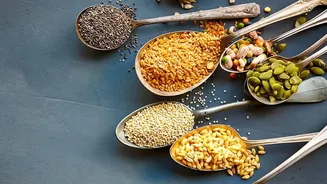
Not all seeds are created equal when it comes to protein. For the biggest nutritional impact, focus on a blend of high-protein seeds. Hemp seeds are a top contender, offering about 9.5 grams of protein per 28-gram serving and containing all nine essential amino acids. Pumpkin seeds are another excellent choice, providing around 8.5 grams of protein in the same serving size, along with valuable minerals like iron and zinc. Sunflower seeds contribute about 7 grams of protein per serving and are rich in Vitamin E and healthy fats. Flax and chia seeds, while slightly lower in protein at around 5 grams per serving, are champions of fibre and omega-3 fatty acids, which support digestive and heart health. Sesame seeds, a traditional ingredient in many Indian recipes, also offer a respectable protein boost.
Creating Your Protein-Boosting Powder
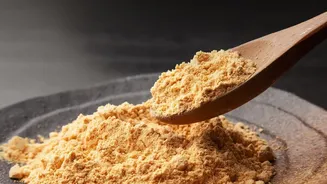
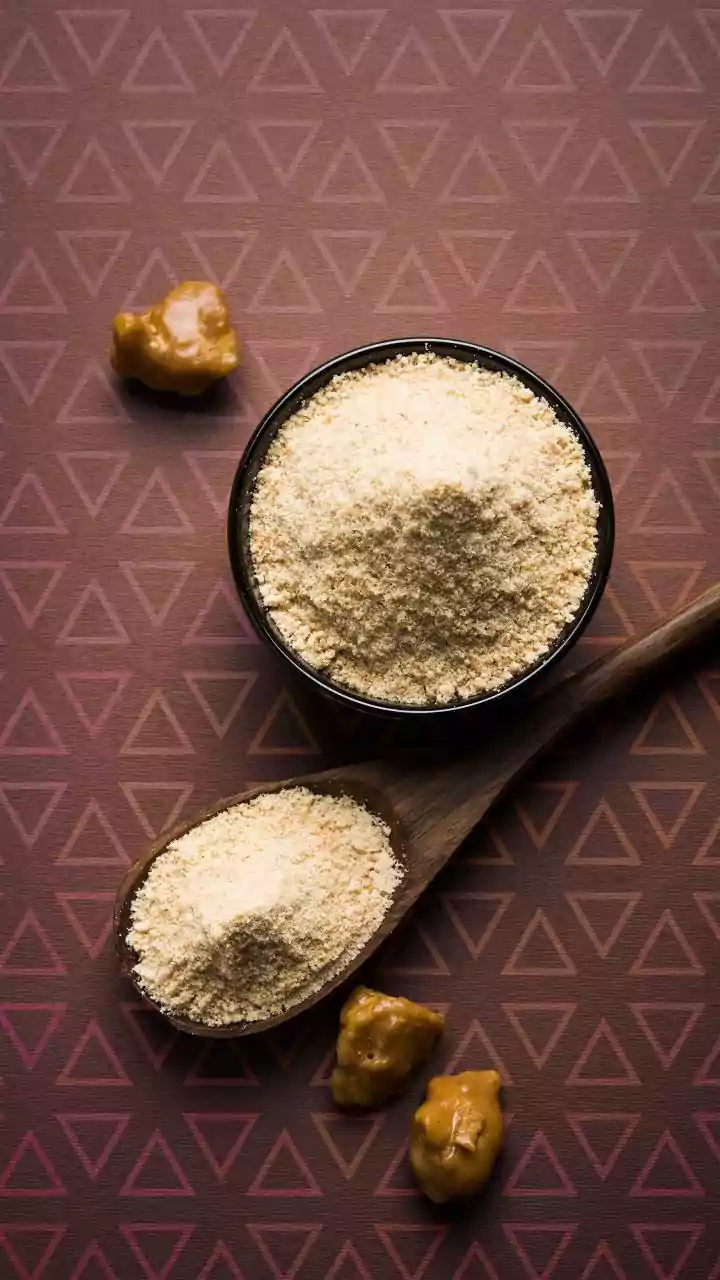
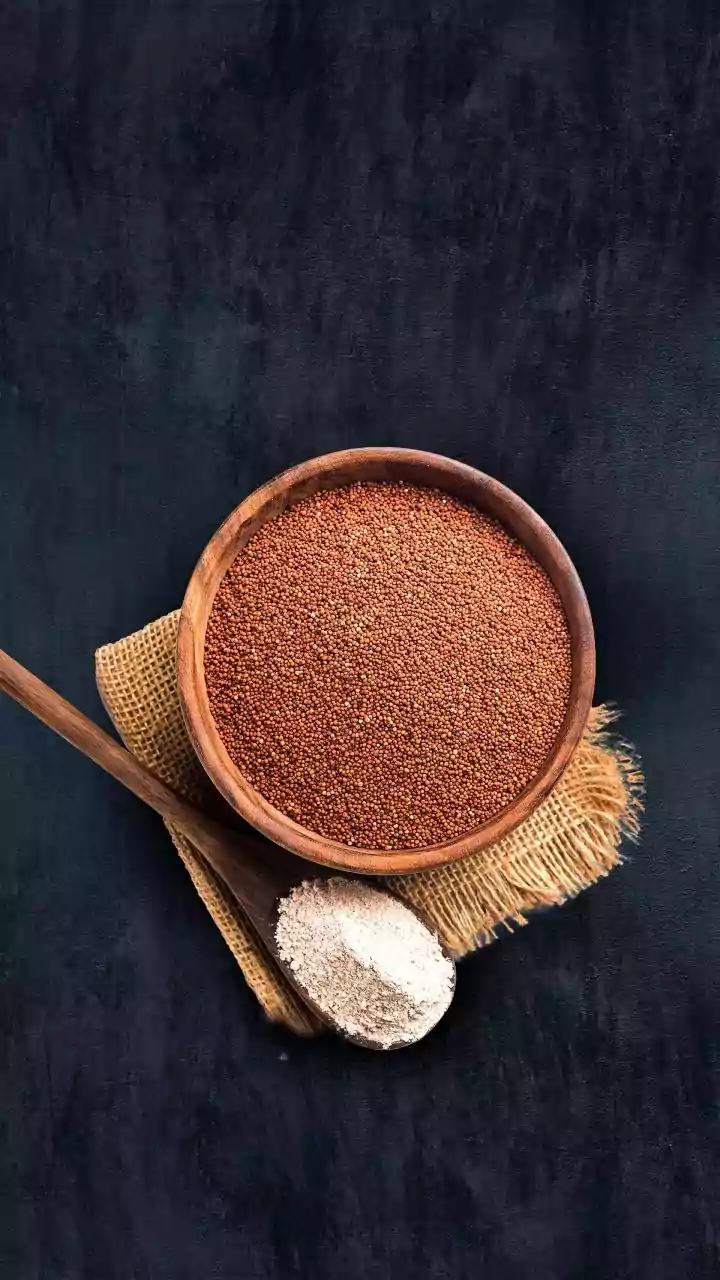
Making your own seed powder is incredibly simple and far more economical than buying pre-made protein mixes. All you need is a selection of raw, unsalted seeds and a dry grinder or a high-speed blender. A good starting blend is equal parts hemp, pumpkin, and sunflower seeds, with a smaller amount of chia or flax seeds. Simply combine your chosen seeds in the grinder and pulse until you achieve a fine, flour-like consistency. Be careful not to over-grind, as the natural oils in the seeds can turn the powder into a paste. For best results, grind in small batches. Store your finished seed powder in an airtight container in the refrigerator for up to three weeks to maintain freshness and prevent the oils from turning rancid.
Perfecting Your Thalipeeth and Chilla
Incorporating your seed powder into traditional batters is seamless. For thalipeeth, which is typically made from a mix of flours like jowar, bajra, besan, and whole wheat, you can easily add the seed powder along with the other dry ingredients. A good rule of thumb is to add 2-3 tablespoons of seed powder for every cup of flour mixture. This ratio enhances the nutritional value without significantly altering the dough's texture or the authentic taste. For a besan chilla, which has a thinner, pancake-like batter, whisk the seed powder directly into the gram flour and spices before adding water. Start with about 1-2 tablespoons of powder per cup of besan. The powder integrates smoothly, adding a subtle nutty flavour that complements the savoury spices beautifully.
Beyond Protein: Other Nutritional Perks
While protein is the main attraction, these seed powders offer a wealth of other health benefits. They are an excellent source of dietary fibre, which is crucial for digestive health and helps you feel fuller for longer. Many seeds, particularly flax, chia, and hemp, are packed with healthy omega-3 and omega-6 fatty acids, which support heart and brain health. Furthermore, seeds are tiny powerhouses of essential micronutrients, including magnesium, zinc, iron, and selenium, which play vital roles in everything from immune support to energy production. By adding just a spoonful of seed powder, you are not just boosting protein but enhancing the overall nutritional profile of your meal.