

Parippu Curry
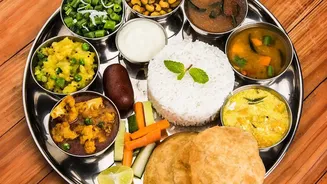
The traditional Sadya experience begins with this humble yet profound dish. Parippu is a comforting curry made from small moong dal (cheruparippu), cooked until soft and blended with a ground paste of coconut, cumin, and green chillies. Served as the
first course over a mound of steaming red rice, it’s customary to drizzle a spoonful of fragrant ghee on top and mix it with a crushed papadam. This simple, elegant curry sets a gentle and flavourful foundation for the richer dishes that are to follow, making it the perfect start to the feast.
Avial
Often considered the star of the Sadya, Avial is a thick, colourful stew of mixed vegetables. It traditionally includes a variety of local produce like drumsticks, plantain, yam, carrots, and beans, all cooked in a unique gravy of ground coconut and yogurt. Seasoned generously with curry leaves and a final drizzle of fresh coconut oil, its flavour is a complex medley of tangy and earthy notes. Legend even attributes its invention to the mythological character Bhima, who supposedly created it as a way to use up a mix of leftover vegetables.
Kalan
Kalan is a quintessential Sadya dish known for its distinct sour and spicy flavour profile. It's a thick, yogurt-based curry, typically made with a single vegetable like raw banana (plantain) or elephant foot yam. The vegetable is cooked with spices like black pepper and turmeric before being simmered in a rich blend of sour curd and ground coconut. Its creamy texture and tangy taste offer a powerful contrast to the other, milder dishes on the banana leaf, making it a memorable part of the meal.
Olan
In a feast celebrated for its vibrant and complex flavours, Olan stands out for its elegant simplicity. This exceptionally mild and subtle stew is prepared with ash gourd and cowpeas, simmered gently in thin coconut milk. It is finished with a dash of thick coconut milk and a drizzle of fresh coconut oil, which gives it a delicate, clean flavour. Olan acts as a palate cleanser, providing a soothing balance to the spicier and tangier components of the Sadya.
Thoran
Thoran refers to a style of dry vegetable stir-fry that is a staple in Kerala cuisine. Almost any vegetable can be made into a thoran, but popular choices for a Sadya include cabbage, carrots, or green beans. The main vegetable is finely chopped and stir-fried with sautéed mustard seeds, curry leaves, and a generous amount of grated coconut. It offers a lovely, crunchy texture and a fresh, subtle flavour that complements the wet curries of the feast. It's the perfect vegetable side dish that adds texture and freshness.
Pachadi
Pachadi is a yogurt-based side dish that can be either sweet or savoury, adding another layer of complexity to the meal. It's essentially a Kerala-style raita. A popular version is made with pineapple or beetroot cooked with jaggery for sweetness, then blended into a yogurt and ground coconut paste. Another common variant uses cucumber for a cooling effect. The key ingredient that sets it apart is ground mustard seed, which lends a characteristic pungency that beautifully cuts through the richness of the feast.
Ada Pradhaman
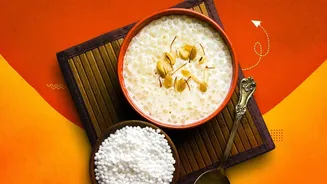
No Sadya is complete without a serving of payasam, and Ada Pradhaman is often hailed as the king of desserts. This rich and decadent pudding is made with ada, which are small flakes of steamed and dried rice pasta. These soft flakes are cooked in a luscious mixture of thick coconut milk and melted jaggery, creating a deep, caramel-like sweetness. Flavoured with cardamom and often garnished with cashews and raisins fried in ghee, it is a divinely sweet and satisfying conclusion to an elaborate festive meal.