




Understanding the Monsoon Munchies
This sudden, intense desire for warm, oily, and spicy food isn't just in your head. There’s a science to it. As the temperature drops and sunlight wanes, our body's serotonin levels can dip, making us seek out carbohydrate-rich comfort foods to boost
our mood. Furthermore, the damp, cool weather encourages our bodies to crave warming, energy-dense foods. From an Ayurvedic perspective, the monsoon (Varsha Ritu) is a time when our 'agni,' or digestive fire, is considered weaker. The body naturally seeks pungent, sour, and salty tastes to stimulate digestion. This biological and psychological pull towards bhajiyas, samosas, and kachoris is a natural response to the changing environment.
The Problem with Unchecked Indulgence
While giving in to every craving feels good in the moment, it comes with a downside. The high humidity of the monsoon slows down our metabolism, making it harder to digest heavy, oily foods. This can lead to bloating, acidity, and general lethargy. More importantly, this is the season when water-borne diseases are rampant. Indulging in street food, however tempting, significantly increases the risk of contracting infections like typhoid, cholera, and gastroenteritis due to compromised hygiene and contaminated water used in food preparation. While a complete ban is unrealistic and joyless, understanding these risks is the first step toward finding a healthier middle ground.
Home Kitchen, Happy Tummy
The single biggest step towards balancing cravings and health is to move the cooking from the street vendor to your own kitchen. When you prepare snacks at home, you control everything: the quality of the oil, the freshness of the ingredients, and the overall hygiene. You can use healthier oils like groundnut or mustard oil, and ensure you don’t reuse the oil multiple times, which creates harmful trans fats. This simple shift drastically reduces the risk of infection and allows you to enjoy your favourite treats without the accompanying anxiety. Plus, the aroma of freshly made pakoras filling your home is a joy in itself.
Reinvent with Smarter Cooking
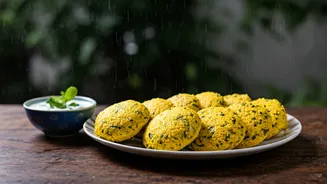
Balance doesn’t just mean eating less; it also means cooking smarter. Instead of deep-frying everything, explore healthier cooking methods that deliver on texture and taste. Invest in an air fryer to get that satisfying crispiness on your samosas and vadas with a fraction of the oil. You can also bake your snacks. Baked kachoris or paneer tikka can be just as delicious. Another great alternative is steaming. Think of soft, fluffy dhoklas or savoury idlis served with a spicy chutney. These methods allow you to satisfy your craving for a warm, savoury snack without overloading your digestive system.
Expand Your Craving Menu
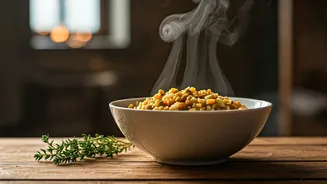
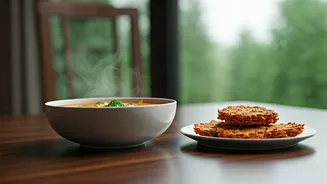
Fried food isn’t the only monsoon delicacy. Train your palate to crave other seasonal delights that are both delicious and nourishing. A classic roasted bhutta (corn on the cob), seasoned with lemon juice and salt, is the quintessential healthy monsoon snack. A bowl of hot, spiced sweet corn soup or a hearty lentil and vegetable soup can be incredibly comforting and packed with nutrients. Even a simple plate of bhel puri, made at home with fresh ingredients, offers a crunchy, tangy satisfaction without the oil. Keeping these healthier options on hand makes it easier to make a good choice when a craving strikes.
The Power of Portion and Pacing
Finally, the most sustainable rule is to practice mindful eating. Instead of mindlessly finishing an entire plate of bhajiyas while watching the rain, serve yourself a small portion. Pay attention to the food: its aroma, its texture, its taste. Savour each bite. This simple act of mindfulness not only enhances the pleasure of eating but also helps you recognise your body’s satiety signals more effectively. Pair your snack with a healthier beverage. Instead of a milky, sugary chai, opt for herbal teas like ginger, tulsi, or lemongrass tea. They aid digestion, boost immunity, and provide warmth without the extra calories.