


The Miracle of the Monsoon Bloom
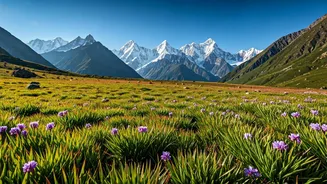
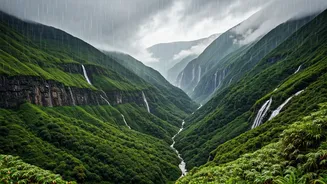
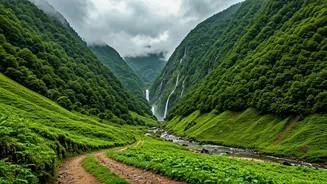
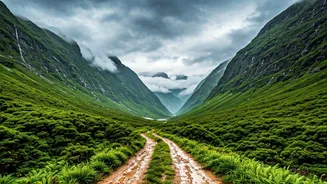
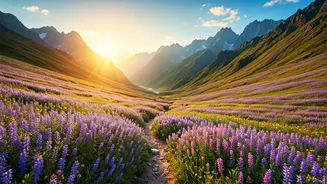
Every year, from late June to September, the alpine meadows of Uttarakhand come alive in a display of ecological poetry. This is when the monsoon rains awaken dormant seeds, creating a floral paradise at altitudes above 3,000 metres. These vast, rolling
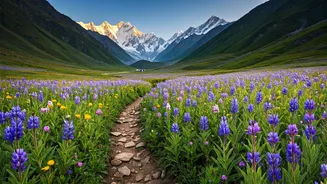
grasslands, known locally as bugyals, become home to hundreds of species of flowers, from the iconic Brahma Kamal to the elusive Blue Poppy. This fleeting season offers a trekking experience unlike any other, where every step unveils a new colour and every vista is a painter's dream. It's a natural spectacle that requires timing, a bit of endurance, and a deep appreciation for the delicate Himalayan ecosystem.
The Legendary Valley of Flowers
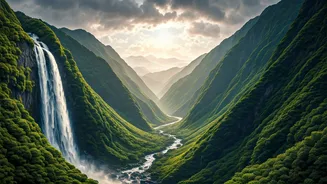
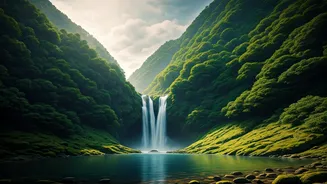
No list of floral treks is complete without the Valley of Flowers National Park. A UNESCO World Heritage Site, this legendary valley is a botanical wonderland. The trek begins from Govindghat and follows the Pushpawati River into a breathtaking landscape flanked by snow-capped peaks. Here, you can find over 500 species of flowering plants, including the Himalayan Blue Poppy, Cobra Lily, and countless varieties of primulas, geraniums, and orchids. The valley changes its colour palette almost every week, making each visit unique. Due to its protected status, camping is not allowed, so trekkers typically base themselves in the nearby village of Ghangaria to make day trips into the valley.
Dayara Bugyal: A Carpet of Colours
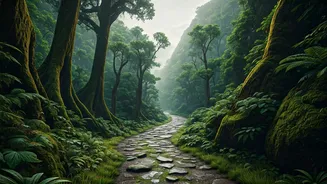
Often called one of the most beautiful meadows in India, Dayara Bugyal offers vast, undulating expanses that are a feast for the eyes. The trek to Dayara is relatively moderate, starting from the quaint village of Barsu or Raithal. As you ascend through dense oak and rhododendron forests, you emerge into a sprawling meadow that seems to stretch to the horizon. During the monsoon, this grassland is dotted with vibrant yellow, purple, and white flowers, with the majestic peaks of Gangotri, Bandarpoonch, and Srikanth providing a stunning backdrop. It’s an ideal trek for both beginners and seasoned hikers looking for an immersive floral experience without the crowds of more famous trails.
Gorson Bugyal: Auli's Alpine Secret
Just a short trek away from the popular ski destination of Auli lies Gorson Bugyal. This series of interconnected meadows offers panoramic views of some of the highest peaks in the Indian Himalayas, including Nanda Devi, Trishul, and Dron Parvat. A 3-kilometre trek from the Auli ropeway point takes you into this enchanting land of green pastures and colourful flowers. It’s a perfect option for those who are short on time or are travelling with family, offering a taste of the high-altitude bloom experience without a multi-day commitment. The trail is gentle and the rewards are immense, with wildflowers carpeting the ground as far as the eye can see.
Planning Your Himalayan Floral Trek
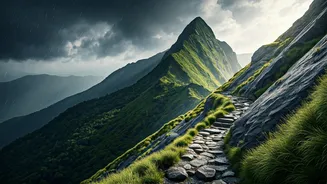
Timing is everything. The peak blooming season is typically from mid-July to the end of August, but it can vary based on weather conditions. Essential gear includes sturdy, waterproof trekking shoes, a reliable raincoat, and layered clothing, as mountain weather is notoriously unpredictable. While some treks can be done independently, hiring a local guide is highly recommended. They not only ensure your safety but also enrich the experience with their knowledge of local flora, fauna, and folklore. Remember to check for permit requirements, especially for protected areas like the Valley of Flowers, and book them in advance.
Trek Responsibly, Leave No Trace
These alpine meadows are incredibly fragile ecosystems. The soil and the plants that grow here have adapted to harsh conditions and are highly sensitive to human impact. As a visitor, it is our collective responsibility to protect them. Follow the 'Leave No Trace' principles: pack out everything you pack in, do not pluck flowers or disturb wildlife, stay on marked trails to prevent soil erosion, and avoid using soap or shampoo in streams. By being a conscious trekker, you help ensure that these pristine trails remain beautiful for generations to come.