








What Is Movement-Based Recovery?
Movement-based recovery, often called active recovery, is the practice of engaging in low-intensity exercise after a strenuous workout or on a designated rest day. Instead of coming to a complete stop, you keep your body moving gently. Think of it as a deliberate
cool-down or a light workout designed not to build muscle, but to help your body repair itself more efficiently. The goal is to support the body’s natural healing processes by keeping blood flowing and muscles moving without adding the stress of another tough workout. Activities can range from a slow jog or walk, gentle cycling, swimming, or a restorative yoga session.
Active vs. Passive Recovery
Traditionally, recovery meant passive recovery: complete rest. This involves being sedentary — sitting on the couch, lying down, or otherwise avoiding physical exertion to let your muscles repair. While passive recovery is crucial, especially when you are injured, exhausted, or have an intense session planned for the next day, it isn't the only option. Active recovery, by contrast, involves light physical activity. The key difference lies in the approach. Passive recovery allows the body to heal on its own without intervention, while active recovery uses gentle movement as a tool to accelerate and enhance that healing process.
The Science-Backed Benefits
So why is this trend gaining so much traction? The benefits are compelling. Firstly, active recovery significantly improves blood circulation. This increased blood flow delivers more oxygen and nutrients to your hard-worked muscles, which is essential for repair and growth. Secondly, it helps clear metabolic waste products, like blood lactate, from the muscles more effectively than complete rest. While lactate itself isn't the direct cause of muscle soreness, its clearance is a marker of an efficient recovery process. This can lead to reduced muscle soreness and stiffness, helping you feel better, faster. Over time, this smarter approach can also help prevent injuries by keeping joints mobile and improving your overall form on less intense days.
Putting It Into Practice
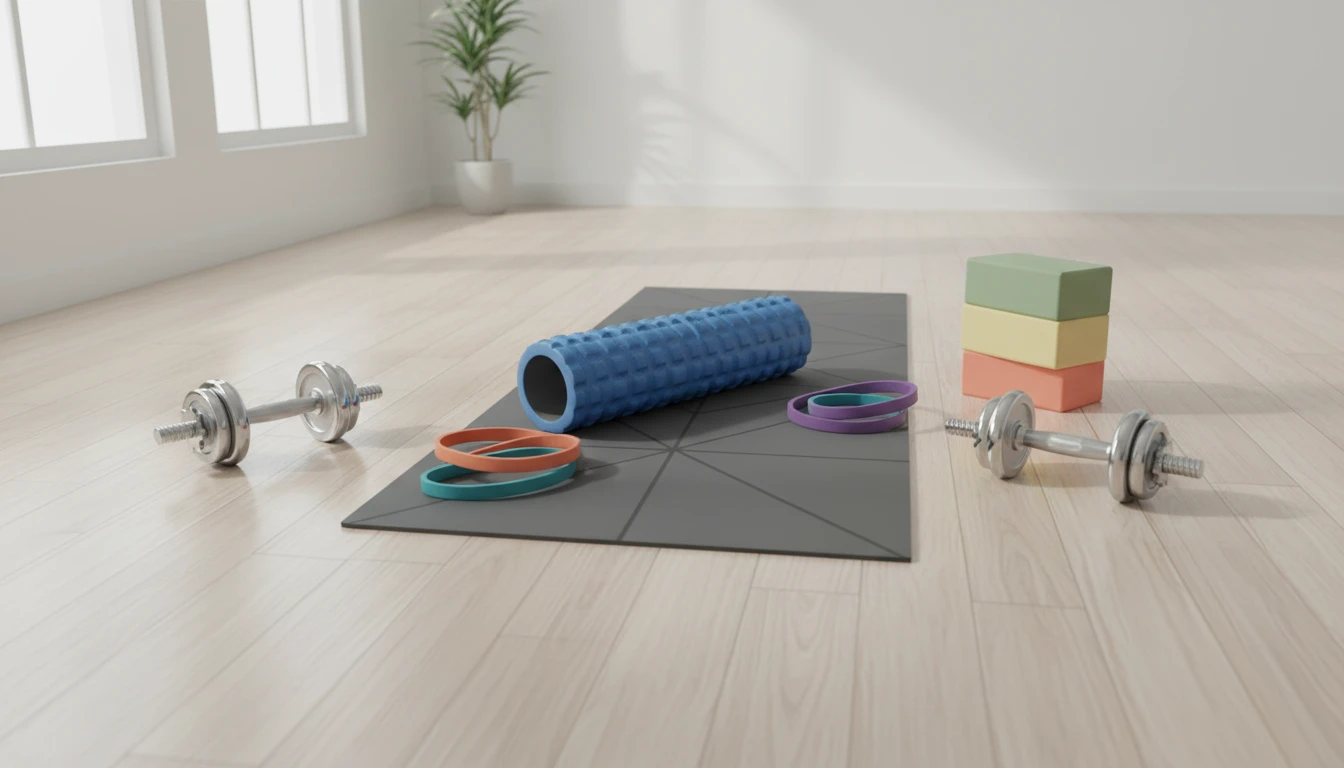
Incorporating movement-based recovery into your routine is simple. It can be done immediately after a workout or on a dedicated rest day. As a cool-down, a 10-15 minute session of light cardio, like walking or cycling at an easy pace, is effective. On a rest day, you might opt for a longer, 30-40 minute session. Great examples of active recovery exercises include swimming, where the water can also help reduce inflammation, or a gentle yoga or tai chi class, which improves flexibility and calms the nervous system. Even simple dynamic stretching or foam rolling can be part of an active recovery plan. The rule of thumb is to keep the intensity low, typically around 60-75% of your normal workout heart rate, ensuring you're helping your body, not taxing it further.
A Strategy For Everyone
Movement-based recovery isn't just for elite athletes competing in marathons or triathlons. It's a beneficial strategy for anyone who exercises, from weekend warriors to daily gym-goers. The fitness world has shifted from a mindset of pushing through pain to one that prioritizes smart, sustainable training. This approach recognizes that long-term progress is built on a foundation of consistent effort and intelligent rest. By embracing active recovery, you are not skipping a workout; you are performing a crucial one that supports all your other efforts, prevents burnout, and keeps you moving towards your goals with more strength and resilience.