




What are the Proposed BS-VII Norms?
Following the nationwide implementation of BS-VI in April 2020, the government is now looking ahead to the next level of emission controls. In early October 2026, the Ministry of Road Transport and Highways issued draft notifications for the BS-VII standards.
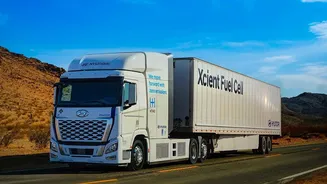
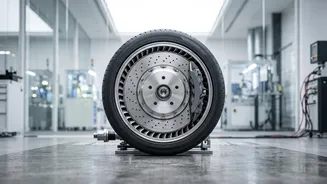
The proposed plan involves a phased rollout, starting with newly manufactured passenger cars and SUVs from April 1, 2029. Light commercial vehicles would follow in 2030, with heavy-duty trucks and buses coming under the new regulations from April 2031. A timeline for two-wheelers is expected to be announced separately. While many exhaust emission limits for cars might remain similar to BS-VI, the new rules are far more comprehensive. They introduce regulations for particles released by brakes and tyres, mandate checks on the durability of EV batteries, and require stricter real-world emissions testing throughout a vehicle's lifespan. This marks a significant shift from just measuring tailpipe emissions in a lab to monitoring a vehicle's total environmental impact under everyday driving conditions.
The Industry's Race Against Time
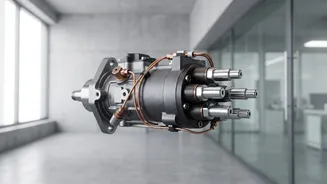
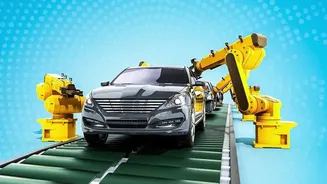
Automakers, represented by the Society of Indian Automobile Manufacturers (SIAM), have voiced significant concerns about the proposed timelines. Industry executives argue that the 2029 deadline for passenger vehicles provides inadequate lead time for the substantial technological changes required. The transition isn't just about tweaking existing engines; it involves extensive research and development, recalibrating entire powertrains, and re-tooling supply chains for new components. This process includes developing advanced systems like gasoline particulate filters, which may take years to produce locally at scale. Automakers point to the difficult and costly leap from BS-IV to BS-VI in 2020, which happened in just three years, as a precedent for how demanding these transitions are. Citing these challenges, SIAM has reportedly been considering a proposal to defer the rollout and implement it in two phases, starting in 2032 and 2035 respectively.
The High Cost of Cleaner Air
The technological upgrades required to meet BS-VII standards will inevitably come at a cost. The previous shift to BS-VI saw vehicle prices increase by 10-20% as manufacturers passed on the costs of new components like selective catalytic reduction (SCR) systems and advanced onboard diagnostics. A similar financial impact is anticipated with BS-VII. Industry executives have warned that the compressed timeline could disrupt product launch schedules between 2027 and 2030. They fear that engineering and R&D resources might have to be diverted from the development of electric vehicles to focus on bringing the internal combustion engine portfolio into compliance. This could lead to increased development costs, which are ultimately passed on to the consumer, potentially making new cars more expensive and dampening demand in a price-sensitive market.
The Government's Push for a Greener Future
The government's motivation for the ambitious timeline is rooted in the urgent need to combat India's severe air pollution and meet its international climate commitments. The transition to BS-VI was a major step, leading to a significant reduction in pollutants like nitrogen oxides (NOx) and particulate matter (PM). The proposed BS-VII norms aim to build on that success by addressing new sources of pollution, such as brake and tyre wear, which even electric vehicles produce. Furthermore, the government is introducing concepts like an 'Environmental Vehicle Passport' to give consumers transparent data on a vehicle's emissions and efficiency. From the government's perspective, a phased rollout from 2029 gives the industry a clear, long-term roadmap. Unlike the BS-VI transition, this next phase does not require oil refineries to make massive investments in new fuel formulations, placing the onus of innovation squarely on the vehicle manufacturers.